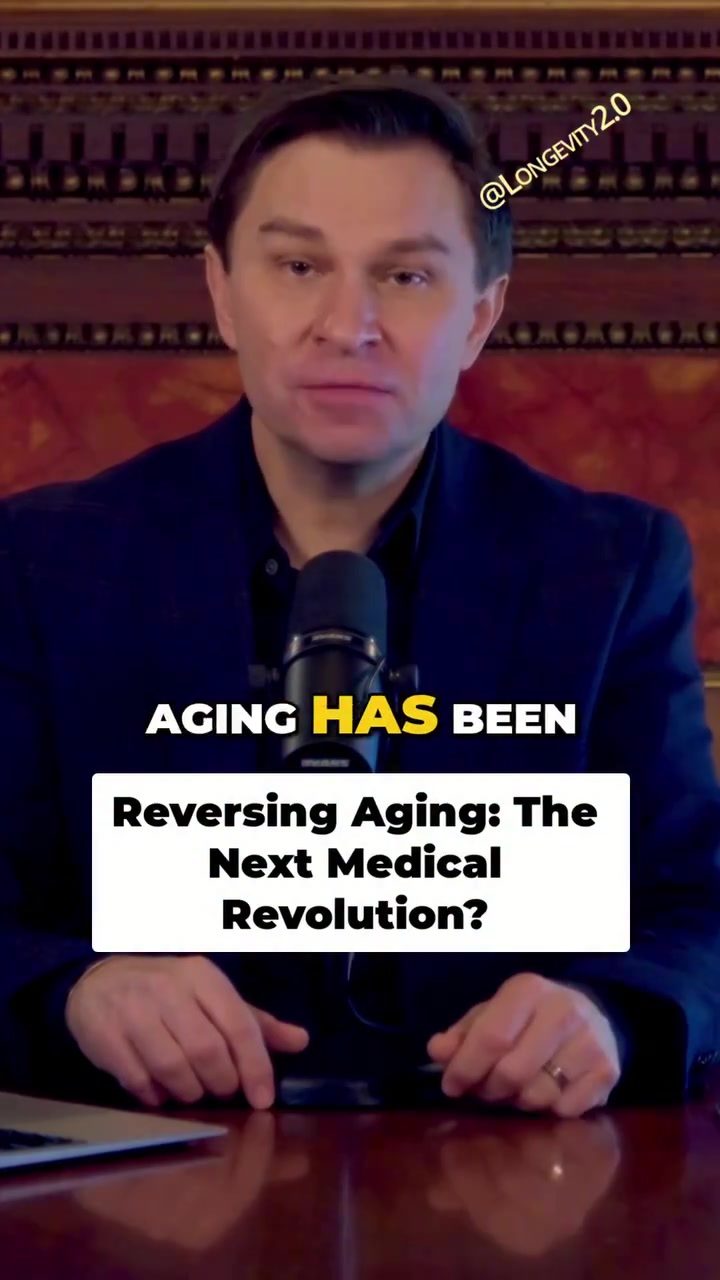
Longevity and the Next Medical Revolution
The concept of aging as an inevitable process that we can only slow down or manage is rapidly evolving. Recent advancements suggest that aging might be more flexible than previously thought, opening the door to a medical revolution focused on longevity.
Context / Why this matters
For decades, the prevailing view was that aging was a fixed process characterized by the accumulation of damage and wear and tear. However, recent research is challenging this notion. David Sinclair, a prominent figure in the field of aging, argues that aging may be driven by a loss of biological information rather than just physical deterioration. This shift in perspective has led to groundbreaking theories and practical applications aimed at understanding and manipulating the aging process.
Main discussion
The Information Theory of Aging
The Information Theory of Aging posits that aging is driven by a loss of epigenetic information. Epigenetics refers to the mechanisms that control gene expression without altering the underlying DNA sequence. Over time, epigenetic modifications can accumulate, leading to a decline in cellular function and overall health.
This theory has profound implications. If aging is indeed driven by a loss of epigenetic information, then it might be possible to restore youthful cellular function by reprogramming these epigenetic markers. This approach, known as epigenetic reprogramming, aims to reset the biological instructions that guide cell behavior, potentially reversing the aging process.
Clinical Trials and Real-World Applications
The idea of reversing aging is no longer purely theoretical. FDA-cleared clinical trials are already underway, exploring the potential of epigenetic reprogramming and other interventions. These trials are backed by major biotechnology companies and high-profile investors like Jeff Bezos and Sam Altman, highlighting the growing interest and investment in longevity research.
One of the key goals of these trials is to go beyond treating individual age-related diseases and focus on modifying the aging process itself. By targeting the underlying mechanisms of aging, researchers hope to extend not just lifespan, but also healthspan—the period of life spent in good health.
Examples of Extended Longevity
Several examples illustrate the potential for extended longevity and improved health in later life. Jean Calment, a French woman, lived to the age of 122, showcasing the human body's remarkable capacity for longevity. Similarly, 80-year-olds who maintain exceptional physical performance and people over 100 who retain cognitive function demonstrate that aging is not always a straightforward decline. These individuals provide clues about the future possibilities of aging research.
Practical tips
While the research on reversing aging is promising, it's important to focus on practical steps that can be taken today to promote longevity and healthy aging:
-
Stay Physically Active: Regular exercise is one of the most effective ways to maintain physical and cognitive health. Aim for a mix of aerobic, strength, and flexibility exercises.
-
Maintain a Balanced Diet: A diet rich in nutrients can support overall health and potentially slow down the aging process. Focus on whole foods, including fruits, vegetables, lean proteins, and healthy fats.
-
Promote Cognitive Health: Engage in activities that challenge your mind, such as reading, puzzles, or learning new skills. Social interactions and maintaining a positive outlook can also support cognitive health.
-
Get Regular Check-Ups: Regular medical check-ups can help detect and manage age-related conditions early, improving overall health and quality of life.
Important takeaways
The shift from viewing aging as inevitable to seeing it as a process that can be modified is one of the most significant transitions in medical history. Key takeaways include:
- Aging may be driven by a loss of epigenetic information, which can be addressed through epigenetic reprogramming.
- Clinical trials are exploring the potential to reverse aging by targeting the underlying mechanisms.
- Investments from major biotechnology companies and high-profile figures underscore the growing interest and potential of longevity research.
- Practical steps, such as staying physically active, maintaining a balanced diet, and promoting cognitive health, can support longevity and healthy aging.
Conclusion
The future of longevity is exciting and full of potential. By understanding and targeting the underlying mechanisms of aging, researchers are moving beyond just slowing the process and toward the possibility of reversing it. This shift in perspective, backed by groundbreaking research and practical applications, offers hope for a future where people can live longer, healthier lives.
Watch the Reel
Questions readers ask
What are the key differences between traditional views on aging and the new perspectives emerging from recent medical advancements?
Traditional views often consider aging as a inevitable process marked by physical damage and wear. In contrast, new perspectives suggest that aging may be more about a loss of biological information, which could be reversible, leading to potential longevity breakthroughs.
Who are some of the leading researchers in the field of reversing aging and what are their contributions?
David Sinclair is a notable researcher in this field. He has proposed that aging could be driven by a loss of biological information, challenging the traditional view of aging as merely a process of physical deterioration.
What is epigenetic aging and how does it relate to reversing the aging process?
Epigenetic aging refers to changes in gene expression that occur over time, influencing how our bodies age. Reversing these epigenetic changes is a focal point in anti aging research, as it could potentially slow down or even reverse the aging process.
What are some of the current clinical trials and their goals in the realm of longevity research?
Current clinical trials are exploring various avenues to reverse aging, such as senolytics, which target and eliminate senescent cells, and other interventions aimed at restoring biological information. These trials are crucial in translating theoretical knowledge into practical applications.
How do advancements in biological information and aging relate to the future of aging research?
Understanding that aging may be driven by a loss of biological information opens new avenues for research. Future studies will likely focus on restoring this information, potentially leading to revolutionary medical advancements in longevity and anti-aging science.
What are some potential applications of these aging medical breakthroughs?
Potential applications include therapies that could extend lifespan, improve healthspan (the period of life spent in good health), and possibly reverse certain age-related diseases. These breakthroughs could significantly impact healthcare and quality of life.
What are some of the most promising anti-aging research areas in 2023?
In 2023, some of the most promising areas include epigenetic aging reversal, senolytics, and interventions aimed at restoring biological information. These areas are at the forefront of longevity research and offer exciting possibilities for future medical advancements.
Related deep dives
Similar reads based on topic and creator.




Recent articles
Fresh deep dives from the latest Reels we unpacked.




Comments
Be the first to comment.