Longevity Research
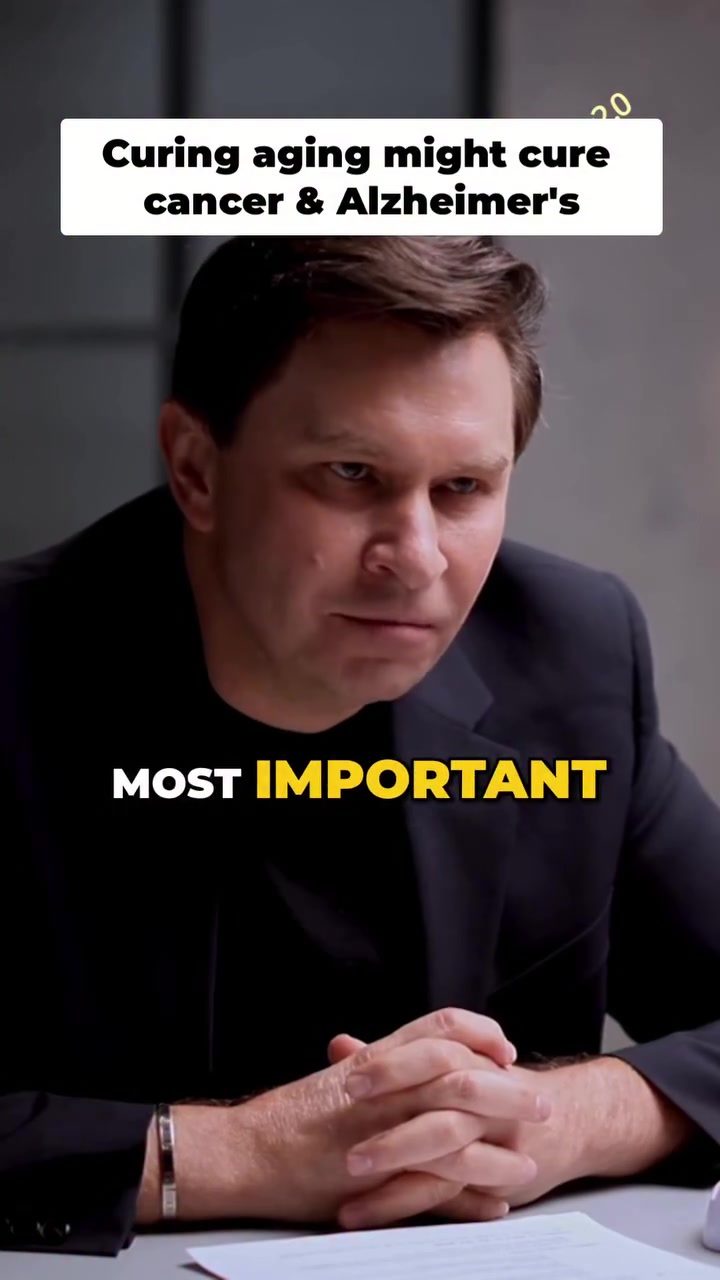
Research into longevity reveals a compelling proposition: the diseases we typically treat separately—Alzheimer’s, cancer, heart disease, and metabolic disorders—may all share a common root. That root is aging itself. This shift in perspective is revolutionizing our understanding of modern medicine and how we can improve treatment strategies for these and other diseases.
Why This Matters
As we age, the risk of developing age-related diseases increases. If aging is the underlying cause, then reversing or slowing down the aging process could have profound implications. This shift in thinking opens the door to the possibility of treating multiple diseases simultaneously by addressing their common root cause.
The Connection Between Aging and Disease
Aging is a complex process that affects our bodies in numerous ways. As we age, our cells become less efficient at repairing DNA, maintaining cellular function, and regenerating tissue. This decline in cellular health and function can lead to a variety of diseases that are often treated individually with different medicines. However, recent research suggests that these diseases might actually be interconnected and rooted in the aging process.
Alzheimer’s and Aging
Alzheimer's disease is a progressive neurological disorder that affects memory, thinking, and behavior. According to David Sinclair, a researcher in the field of aging, Alzheimer's disease is fundamentally connected to the aging process. Lab models show that when scientists reverse aspects of biological aging in mice, the symptoms of Alzheimer’s disease can improve or even disappear. This is because a younger biological state allows for better DNA repair, stronger cellular function, and improved resilience to damage. The body can heal itself more effectively when it is in a younger state.
Cancer and Aging
Cancer is another disease that has been linked to the aging process. Many types of cancer are more prevalent in older populations, and research suggests that the aging process may play a role in the development and progression of cancer. By reversing aspects of biological aging, scientists have observed a reduction in cancer cells in lab models. This indicates that the aging process may contribute to cancer by weakening the body’s ability to repair damaged cells and maintain cellular function.
Heart Disease and Aging
Heart disease is a leading cause of death worldwide, and it is closely associated with aging. As we age, our heart and blood vessels become less efficient at delivering oxygen and nutrients to the body. This can lead to a variety of heart diseases, including coronary artery disease, heart failure, and arrhythmias. Research shows that reversing aspects of biological aging can improve heart health and reduce the risk of heart disease. This is because a younger biological state allows for more efficient tissue regeneration and better cellular function.
Practical Tips
While much of the research into reversing aging is still in the early stages, there are practical steps you can take to support your body's natural healing processes and promote longevity. By adopting healthy habits and making positive lifestyle changes, you can slow down the aging process and reduce your risk of age-related diseases.
Diet and Nutrition
Maintaining a balanced diet rich in nutrients is essential for supporting your body’s natural healing processes. Foods that are high in antioxidants, such as berries, leafy greens, and colorful vegetables, can help protect your cells from damage and promote healthy aging. Incorporating healthy fats, such as those found in avocados, nuts, and fatty fish, can also support brain health and reduce inflammation.
Exercise and Physical Activity
Regular exercise is another key component of healthy aging. Physical activity helps to maintain muscle mass, improve cardiovascular health, and support cognitive function. Aim for a combination of aerobic exercise, strength training, and flexibility exercises to promote overall health and wellness.
Stress Management
Chronic stress can accelerate the aging process and increase your risk of age-related diseases. Practicing stress reduction techniques, such as meditation, deep breathing, or yoga, can help you manage stress and promote healthy aging.
Sleep and Recovery
Quality sleep is essential for your body’s natural healing processes. During sleep, your body repairs damaged cells, consolidates memories, and regulates hormones. Aim for 7-9 hours of sleep per night, and practice good sleep hygiene to support healthy aging.
Important Takeaways
The connection between aging and disease highlights the potential benefits of focusing on the aging process itself. By understanding and addressing the underlying mechanisms of aging, we may be able to treat multiple diseases at once. This paradigm shift could revolutionize modern medicine and improve the quality of life for people around the world.
Aging is a complex process that affects various aspects of our health, from DNA repair to cellular function. Reversing aspects of biological aging can improve these processes and promote overall health and wellness. By adopting healthy habits and making positive lifestyle changes, you can support your body’s natural healing processes and promote longevity.
Conclusion
The research into longevity and aging is opening new doors for understanding and treating age-related diseases. By focusing on the aging process itself, we may be able to address multiple diseases simultaneously and improve overall health and wellness. By adopting healthy habits and making positive lifestyle changes, you can support your body’s natural healing processes and promote longevity.
Watch the Reel
Recent articles
Fresh deep dives from the latest Reels we unpacked.




Comments
Be the first to comment.