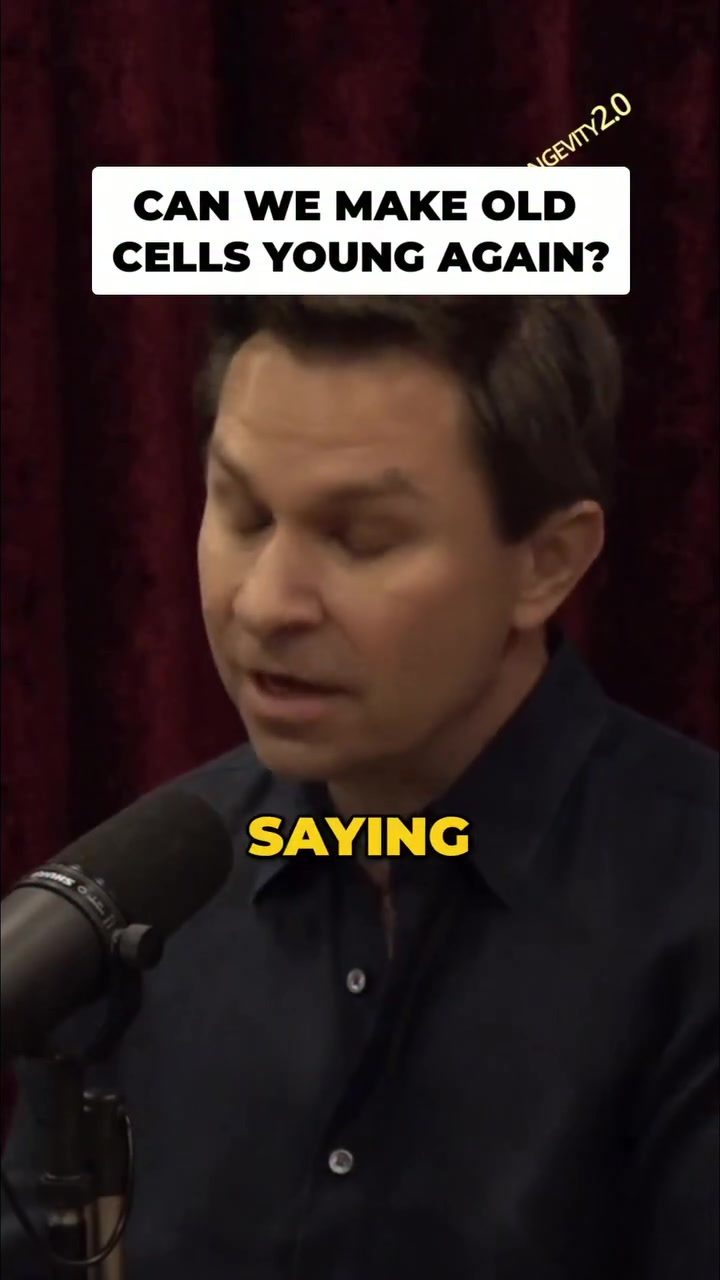
Reversing Aging with Cellular Reprogramming
The idea of reversing aging has long captivated scientists and researchers. Recent advancements in cellular reprogramming offer a promising avenue to make old human cells behave like much younger ones. Dr. David Sinclair, a prominent figure in the longevity research community, explains how specific genes can be used to reprogram human skin cells, potentially unlocking new possibilities in regenerative medicine.
Why This Matters
The potential to reverse aging isn't just about extending lifespan; it's about improving the quality of life. Age-related diseases and health issues could be mitigated or even prevented, leading to a healthier, more vibrant population. This isn't just theoretical—researchers have already made significant strides in this area, as evidenced by the work on the OSK genes.
The Science Behind Cellular Reprogramming
Understanding the OSK Genes
OSK genes, named after their discoverer Shinya Yamanaka, play a crucial role in cellular reprogramming. These genes can revert differentiated cells, like skin cells, to a more youthful state. The process involves introducing these genes into the cells, effectively turning back the clock on their biological age.
The Process of Rejuvenation
The reprogramming process involves several steps. First, the OSK genes are introduced into the target cells. These genes then trigger a series of changes that revert the cells to a more youthful state. This rejuvenation doesn't just make the cells younger; it also restores their functionality, allowing them to perform as they did when the body was younger.
The Challenge of Control
Precise Regulation
While the idea of rejuvenating cells is exciting, the real challenge lies in controlling the process. Simply making cells younger isn't enough; scientists need to ensure that the cells don't revert too far, which could lead to unwanted effects. This requires precise regulation of the reprogramming process, ensuring that cells are restored to a youthful state without becoming too young.
Safety and Drug Development
Turning this experimental process into a safe therapy is the next big hurdle. Researchers need to figure out how to safely administer these genes as a drug. This involves overcoming significant technical challenges, including ensuring that the genes are delivered to the right cells and that the process is stable and predictable.
Practical Tips for Staying Informed
Follow Leading Researchers
Staying updated on the latest research is crucial. Follow prominent researchers like Dr. David Sinclair and other experts in the field. Their work and insights can provide valuable information on the latest developments in cellular reprogramming.
Stay Engaged with the Community
Join online forums, attend webinars, and participate in discussions. Engaging with a community of like-minded individuals can provide support, share knowledge, and offer practical advice on staying informed and healthy.
Consider Longevity Newsletters
Subscribing to newsletters like the one offered by Longevity20 can be a great way to stay informed about the latest research and actionable strategies. These resources often provide insights straight from the experts, ensuring that you have access to the most current and relevant information.
Important Takeaways
The Promise of Cellular Reprogramming
Cellular reprogramming holds immense promise for reversing aging and improving health outcomes. The ability to make old cells behave like younger ones could revolutionize regenerative medicine, offering new treatments for age-related diseases and enhancing overall well-being.
The Need for Precise Control
While the potential of cellular reprogramming is exciting, the need for precise control cannot be overstated. Researchers must develop ways to regulate the process to ensure that cells are rejuvenated safely and effectively.
The Future of Regenerative Medicine
If scientists can overcome the challenges associated with cellular reprogramming, the implications for regenerative medicine could be enormous. This could lead to new therapies that not only extend lifespan but also improve the quality of life for people of all ages.
Conclusion
The journey to reversing aging through cellular reprogramming is filled with promise and challenges. Researchers like Dr. David Sinclair are making significant strides in understanding how genes like OSK can rejuvenate human cells. While the process is still experimental, the potential for transformative therapies in regenerative medicine is immense. By staying informed and engaged, we can look forward to a future where aging is not just a natural process but a condition that can be managed and improved.
Watch the Reel
Questions readers ask
What are OSK genes and how do they contribute to reversing aging?
OSK genes, which include Oct4, Sox2, and Klf4, are key to cellular reprogramming. They work together to rejuvenate human skin cells by turning back the cellular clock, making old cells behave more like young ones. This process is central to Dr. David Sinclair's research on reversing aging.
How does cellular reprogramming improve the quality of life?
By rejuvenating human cells, cellular reprogramming can potentially mitigate or prevent age-related health issues. This means a reduction in diseases and conditions associated with aging, leading to a healthier population and improved longevity.
What specific advancements has Dr. David Sinclair made in the field of longevity research?
Dr. David Sinclair has focused on using OSK genes to reprogram human skin cells, demonstrating the potential to reverse aging at the cellular level. His work highlights the possibility of creating youthful skin cells from older ones, a significant step in regenerative medicine.
Can cellular reprogramming be used as an aging skin treatment?
Yes, cellular reprogramming holds promise as an aging skin treatment. By rejuvenating skin cells, this process could lead to more effective treatments for aging skin, potentially reducing wrinkles and enhancing skin health.
What is the role of OSK gene therapy in reversing aging?
OSK gene therapy involves using the OSK genes to reprogram cells, effectively turning back the aging process. This therapy aims to make old cells function like younger ones, offering a potential solution for age-related health issues and diseases.
How does reversing aging differ from simply extending lifespan?
Reversing aging goes beyond just extending lifespan; it focuses on improving the quality of life by mitigating age-related health issues. This means not only living longer but also living healthier, with a reduced risk of diseases and conditions associated with aging.
What are the potential benefits of anti-aging cellular reprogramming?
Anti-aging cellular reprogramming has the potential to rejuvenate cells, leading to a reduction in age-related diseases and health issues. This could result in a more vibrant, healthier population, with individuals experiencing better overall well-being and longevity.
Related deep dives
Similar reads based on topic and creator.


Recent articles
Fresh deep dives from the latest Reels we unpacked.




Comments
Be the first to comment.