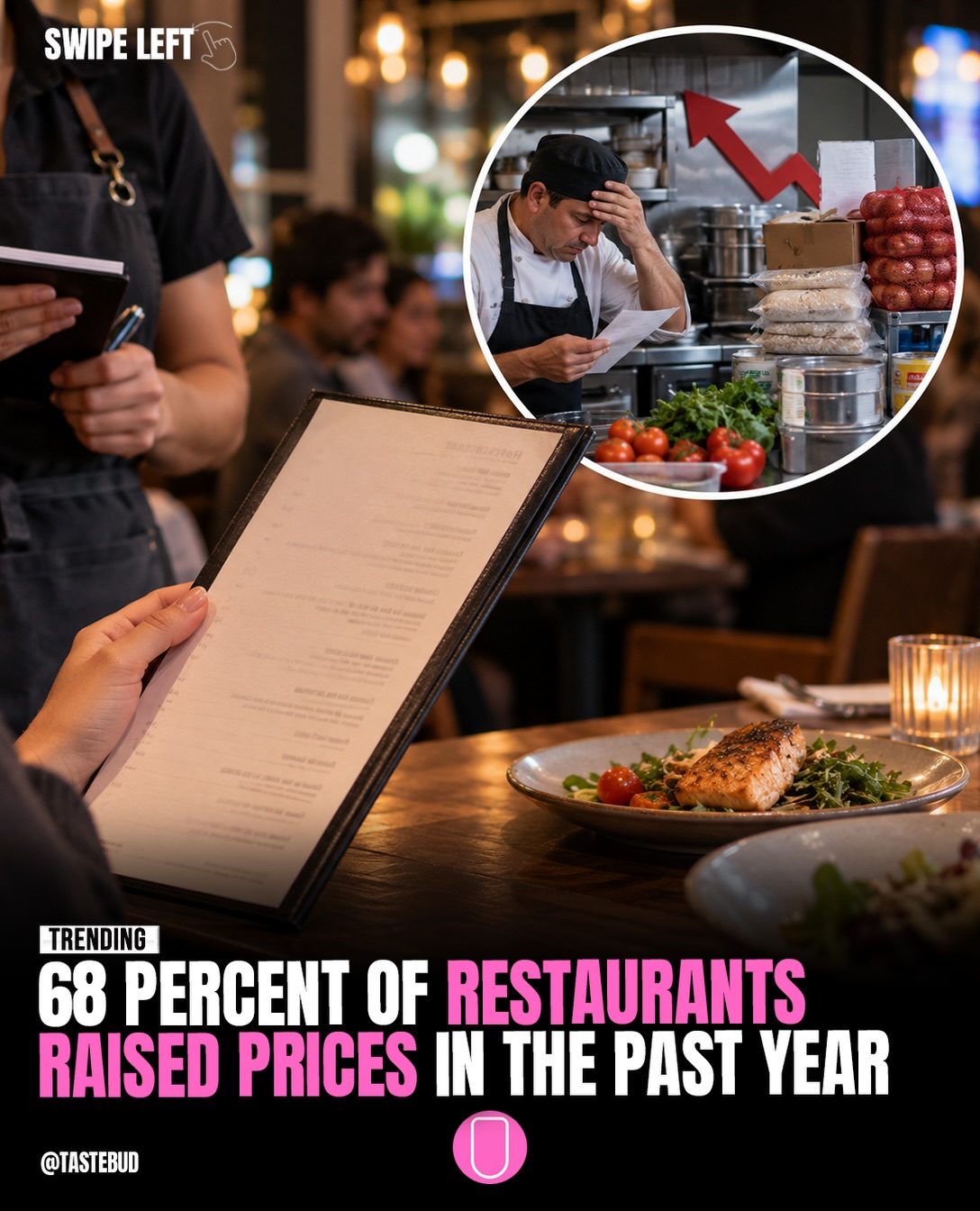
Inflation's radical effect on menus
It's been a tumultuous period for restaurants. The past year has seen a significant portion of operators — 68% — hiking their prices. Not surprising, given the economic strain. What is striking is the breadth of the trend; every segment imaginable, including the sushi bar and the big international fast food chains, have reportedly raised prices. The recently-recorded 30% of operators who plan to raise prices again are not alarmists. They are the first to feel the increasing costs cutting into their profitability. Rising food — the price of supplies, the price of dairy, the price of meat, and so on — has been a persistent problem, worsening by the month. The price of labor has also skyrocketed, especially for skilled workers such as cooks. Along with the staggering increase in rent, it's no surprise many are finding the numbers unsustainable. But it's not only food and labor costs that are driving this. Maintenance costs, utilities, and equipment expenses have all climbed. For too many, there is no room for negotiation, and everything will cost more.
The reality of the supply chain
Any industry watching food and labor costs climb could go down a similar path, but there are ways to mitigate. The restaurant industry has one belt-tightening option: keep a firm grip on supply chain disruptions — the pandemic's effects on the supply chain haven't gone away. The restaurant sector is aggravated by the sudden price swings and shortages. Suppliers are now charging more, with many key products such as flour and meat spiking 50% in some areas. This can cause a number of problems. Some restaurants have been forced to change menus to replace items that cannot be acquired. The cost of switching to alternatives, whether it's ingredients for a dish or equipment for the kitchen, can also be astronomical.
The role of operators
The current survey illustrates how the operators of restaurants feel about the system. Their minds are on the economics, fraught with supply chain struggles. "The price of food is crazy but that's just the tip of the iceberg. When you consider food, labor, and equipment costs, it's even more alarming. But we have to raise prices, otherwise, we're just going to have to close in a few years," said one operator. No restaurant operates in a vacuum, and their customers see these problems too. Over 2023, the issue of how pass-through pricing works has moved front and center. In the past, inflation seemed outside of the industry's power, a storm that was only raging somewhere else. But now that it’s raging in our own kitchens and influencers are writing about. It’s not a question of whether more businesses will follow the pricing trend; it’s a question of when.
Watch the Reel
Related deep dives
Similar reads based on topic and creator.




Recent articles
Fresh deep dives from the latest Reels we unpacked.

Comments
Be the first to comment.