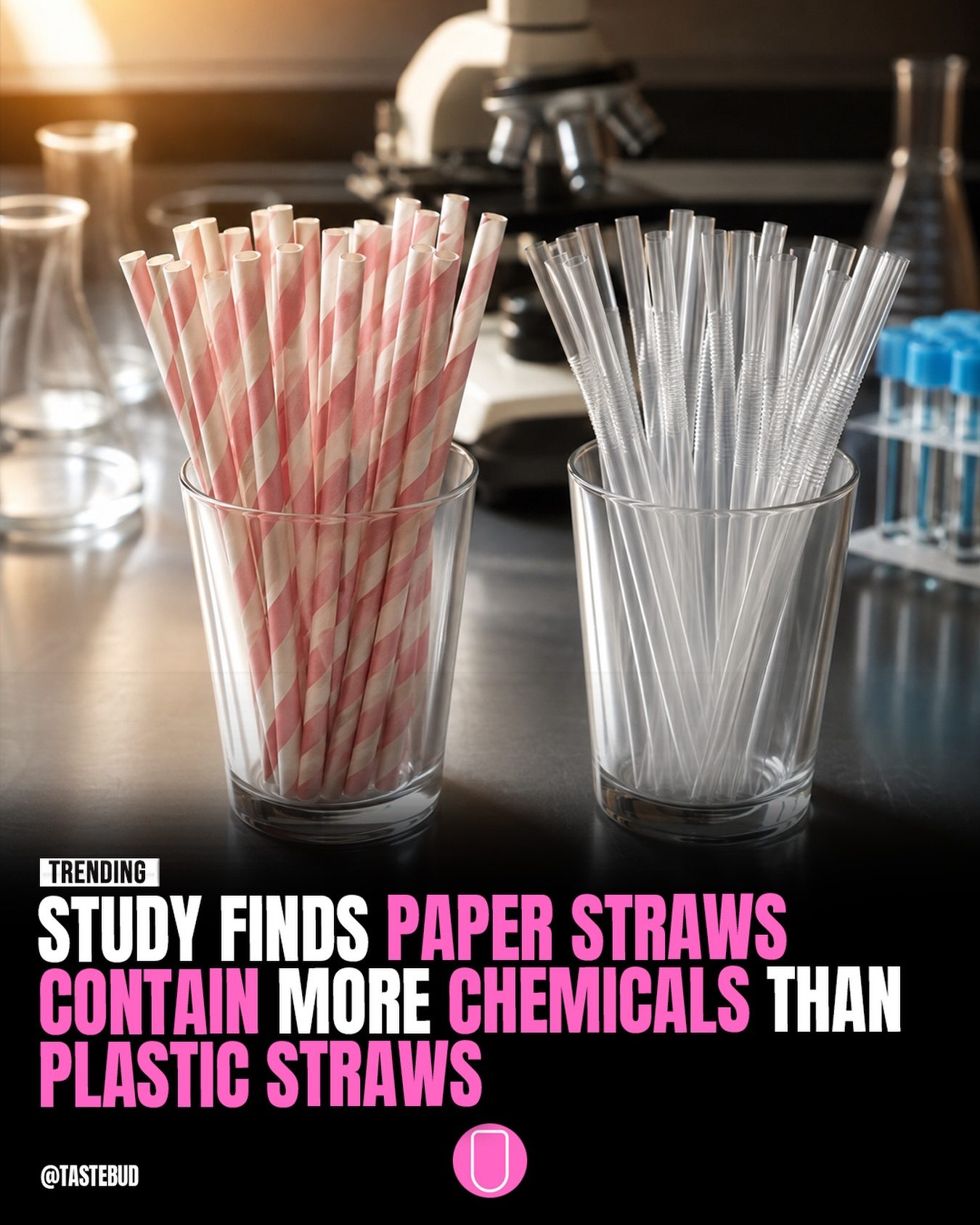
What is in your straw?
Plastic straws have been vilified for their environmental impact, spurring a global shift towards paper alternatives. But what if the solution is worse than the problem?. A recent study found that paper straws contain more chemicals than plastic straws. This counterintuitive discovery challenges our assumptions about sustainable materials and forces us to examine the science behind everyday products.
Viewing straws differently
The comparison between paper and plastic straws is stark in the visuals. On one side, vibrant pink and white paper straws. On the other, clear, unassuming plastic straws. The stark visual contrast between the two products highlights questions about their differences and how they impact health. The study identified paper straws as having greater chemical content than their plastic counterparts. This revelation is surprising, as paper is often perceived as more natural and eco-friendly. But why is there more chemical leaching in paper straws, and what does that mean for consumers? Until more studies are available, the conclusion has to be hedged: chemical composition — not just environmental impact — should be a consideration in our choices. Plastic straws are known for their environmental impact and potential harm to marine life, but their chemical composition is well-regulated. Paper straws, fueled by their eco-friendly image, seem to fly under the radar. However, their chemical breakdown has enormous implications for our health, especially as they remain in hot beverages for extended periods. Heat can accelerate the release of chemicals from the paper into the drink.
Unpacking the sustainability
It would be premature to jump to conclusions, as comprehensive studies would present more information. However, this news serves as a strong reminder. Not all eco-friendly alternatives are as benign as they seem. Particularly in the context of single-use items like straws, the environmental impact of plastics is severe. However, the heightened chemical exposure from paper straws may offset the benefits. Still, does an unknown chemical count in paper outweigh plastic's environmental toll in landfills and oceans? No straw is completely harmless. But the choice between paper and plastic requires a broader understanding of both forms of harm. And the solution might not lie in switching one type for another.
Health over trend
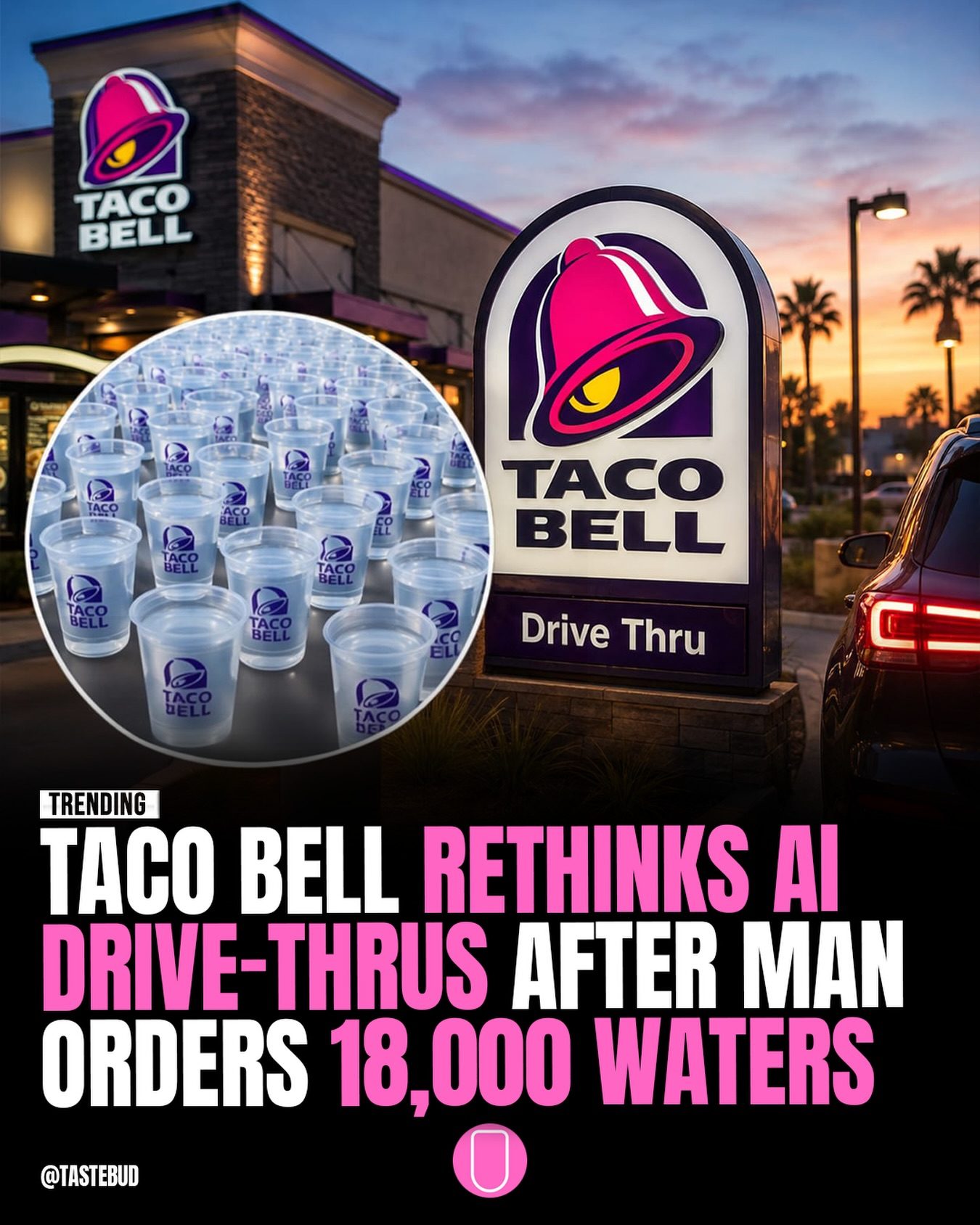
The on-screen text flashes "@TASTEBUD," a username indicating the post's source. The implications of this discovery extend beyond the realm of disposable utensils. They point to a deeper issue within the broader consumer culture. Sustainability isn't a sellable trend — it is an approach. As consumers, we have a responsibility to make informed decisions. The dichotomy between paper and plastic straws is an opportunity to educate and inspire. We must seek products and habits that genuinely promote health, sustainability, and well-being. Not just for the planet, but for ourselves.
Watch the Reel
Related deep dives
Similar reads based on topic and creator.


Recent articles
Fresh deep dives from the latest Reels we unpacked.


Comments
Be the first to comment.