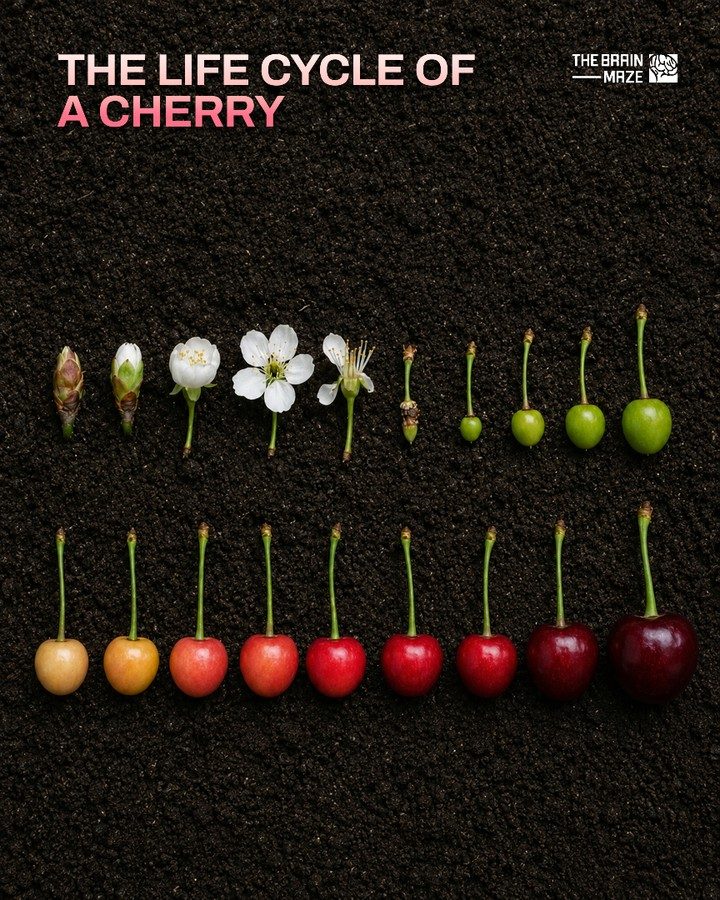
Cherry Life Cycle
Cherries are a beloved fruit around the world, known for their sweet taste and vibrant color. Understanding the life cycle of a cherry provides insight into the intricate process that transforms a tiny bud into a juicy, ripe fruit. This journey is not only fascinating but also crucial for anyone interested in cultivating cherries or appreciating their natural beauty.
Why This Matters
The life cycle of a cherry is more than just a series of stages; it's a testament to nature's precision and beauty. For growers, understanding this process can help in optimizing cultivation practices, ensuring healthier trees and better yields. For enthusiasts, it offers a deeper appreciation of the fruit's journey from bud to harvest.
Main Discussion
The Beginning: Dormant Buds
The life cycle of a cherry begins with a tiny, dormant bud. These buds are formed during the previous growing season and remain inactive throughout the winter. They are a reservoir of potential, waiting for the right conditions to awaken.
Spring Awakening
As spring approaches, rising temperatures signal the bud to break dormancy. The bud begins to swell, preparing to transition from its dormant state. This swelling is crucial as it allows the bud to develop into a delicate white blossom.
Pollination and Fruit Formation
Once the blossom emerges, pollination occurs. This is a critical stage where bees and other pollinators play a vital role. The pollinated blossom then transforms into a small green fruit. This transformation is the start of the cherry's growth and maturation process.
Color Changes During Ripening
The color changes that occur as the cherry matures are a visual indicator of its ripening process. The fruit initially turns from green to yellow, then to pink, and finally to a vibrant bright red. Deep crimson is the final color, signaling that the cherry has reached full ripeness. This sequence of color changes mirrors the fruit's internal development, marking its journey from flower to fruit.
Factors Influencing the Life Cycle
Several factors influence the life cycle of a cherry, including temperature, soil conditions, and water availability. These elements work in harmony to ensure that the cherry tree can produce healthy fruit.
Temperature
Temperature plays a crucial role in the cherry's life cycle. The timing of bud break, blossoming, and fruit maturation is closely tied to temperature changes. Optimal temperatures ensure that these stages occur at the right time, leading to a successful harvest.
Soil Conditions
Soil health is another critical factor. Well-draining soil with the right pH levels and nutrient balance is essential for the cherry tree's growth and fruit production. Proper soil conditions support the tree's overall health, which in turn affects the quality and yield of the cherries.
Water Availability
Water is vital for the cherry tree's growth and fruit development. Consistent watering, especially during the critical stages of fruit formation and ripening, ensures that the cherries develop properly. Overwatering or underwatering can negatively impact the fruit's quality and yield.
Practical Tips
For Growers
- Soil Preparation: Ensure your soil is well-draining and rich in organic matter. A pH level between 6.0 and 7.0 is ideal for cherry trees.
- Watering: Maintain consistent watering, especially during the early stages of fruit development. Avoid overwatering or underwatering.
- Pest Control: Regularly monitor for pests and diseases. Early detection and treatment can prevent significant damage to your cherry trees.
- Pruning: Regular pruning helps maintain the tree's structure and promotes healthy growth. Prune during the dormant season to minimize stress on the tree.
For Enthusiasts
- Choose the Right Variety: Different cherry varieties have different characteristics. Choose a variety that suits your climate and taste preferences.
- Planting Time: Plant cherry trees in early spring or late fall when the soil is workable and the tree is dormant.
- Pollination Needs: Ensure that your cherry trees have suitable pollinators. Some cherry varieties are self-fertile, while others require cross-pollination.
- Harvesting: Cherries ripen quickly, so check them regularly. Harvest them when they are fully ripe and firm but not overripe. Store them in the refrigerator to extend their shelf life.
Important Takeaways
The life cycle of a cherry is a remarkable journey that involves several critical stages and factors. From the dormant bud to the deep crimson fruit, each phase is influenced by environmental conditions, crucial for the tree's growth and fruit production.
- Temperature, Soil, and Water: These are the key factors that influence the cherry's life cycle. Optimal conditions ensure healthy growth and fruit production.
- Pollination: This stage is crucial for fruit formation and development. Ensure your cherry trees have suitable pollinators.
- Practical Tips: Following practical tips for growing and harvesting cherries can enhance the yield and quality of the fruit.
Conclusion
The life cycle of a cherry is a fascinating process that transforms a tiny bud into a juicy, ripe fruit. Understanding this journey provides valuable insights for both growers and enthusiasts. From the delicate blossoms to the vibrant fruits, each stage is a testament to nature's precision and beauty. By appreciating and nurturing this process, we can enjoy the bounty of cherries and the joy they bring.
Watch the Reel
Questions readers ask
What are the initial stages of the cherry life cycle?
The cherry life cycle begins with dormant buds during the winter. As spring approaches, these buds swell and eventually burst into blossoms, marking the onset of the growing season. This blossoming phase is crucial for pollination, which is necessary for fruit set.
How do cherry blossoms transition to fruits?
After successful pollination, cherry blossoms develop into small, green fruits. This transition, known as fruit set, is a critical stage. The fruits grow and change color, progressing from green to their characteristic reds and purples, signaling ripeness over several weeks.
What factors influence the color changes in cherry fruits?
The color changes in cherry fruits are influenced by factors such as sunlight, temperature, and the variety of cherry. These changes are part of the ripening process, which also affects the fruit's sweetness and texture, making it ready for harvest.
Why is understanding the cherry blossom stages important for growers?
Understanding the cherry blossom stages helps growers optimize their cultivation practices. Proper timing of pruning, pest management, and even weather protection can be aligned with these stages, ensuring healthier trees, better fruit set, and higher yields.
How long does it typically take for a cherry to go from bud to ripe fruit?
The duration from bud to ripe fruit varies by cherry variety and climate, but it generally takes several months. In temperate regions, the process from bud swelling in spring to fruit ripening in summer can span 3 to 4 months, encompassing all the stages of growth and color changes.
What are the key indicators of cherry fruit ripening?
Key indicators of cherry fruit ripening include a change in color from green to red or purple, depending on the variety, and a slight softening of the fruit. Additionally, ripe cherries will have a sweet, juicy taste and may release easily from the tree when gently pulled.
How can cherry growers optimize fruit yield and quality?
To optimize fruit yield and quality, growers should focus on proper pruning to promote healthy growth, effective pollination management, and timely pest and disease control. Additionally, monitoring and managing soil health and nutrient levels are crucial for ensuring robust fruit development and ripening.
Related deep dives
Similar reads based on topic and creator.




Recent articles
Fresh deep dives from the latest Reels we unpacked.




Comments
Be the first to comment.