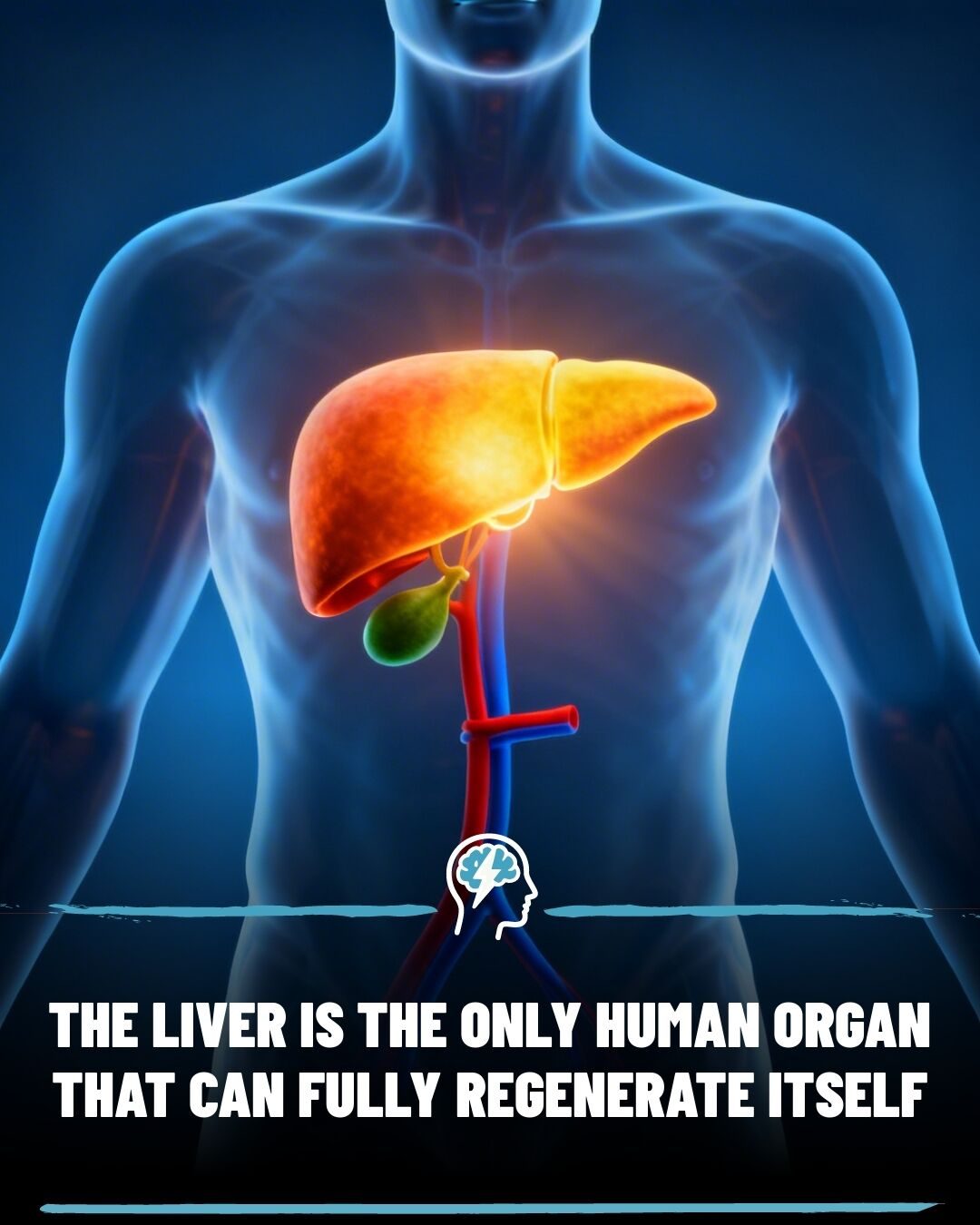
Human Liver Regeneration
The liver is a powerhouse of regeneration, a fact that sets it apart from other human organs. Understanding this capacity is crucial for appreciating the liver's vital role in the body and how modern medicine leverages it. The regenerative abilities of the liver are rooted in its unique cellular make-up and biological processes. The liver can regenerate itself after significant damage or tissue loss, making it an exceptional organ in human biology.
Why This Matters
The liver's regenerative capabilities are pivotal for modern medicine, particularly in the realm of liver transplants and surgeries. They allow living donors to donate a portion of their liver to someone in need, with both the donor’s remaining tissue and the transplanted portion capable of regenerating. This unique capacity underscores the liver's importance and offers a profound example of the human body's resilience.
Main Discussion
The Regeneration Mechanism
The liver's regeneration process is orchestrated by specialized cells known as hepatocytes. When the liver experiences damage or tissue loss, these hepatocytes are activated. Growth factors and cellular signals trigger a rapid multiplication of these cells, facilitating the organ's repair. This regeneration response is proportional to the extent of the damage, allowing the liver to calibrate its rebuilding efforts based on the specific needs of the individual.
The Role of Hepatocytes
Hepatocytes are the liver's workhorses, responsible for its regenerative capacity. These cells play a pivotal role in the liver's ability to regrow. When the liver is damaged, hepatocytes are the first to respond, multiplying rapidly to replace lost tissue. This process is so efficient that the liver can regenerate even after 90% of its tissue has been surgically removed, allowing it to return to its normal size.
The Liver's Unique Position
While the liver's regenerative capabilities are exceptional, it's essential to recognize that other organs also exhibit impressive repair abilities. The gut, for instance, regularly heals damage from infections and toxins. The endometrium, on the other hand, regenerates completely each month. Thus, while the liver's regenerative powers are remarkable, they are not entirely unique in the human body.
The Liver's Limitations
Although the liver is capable of remarkable regeneration, it is not invincible. Chronic damage from conditions such as hepatitis or heavy alcohol use can overwhelm its repair mechanisms, leading to scarring or cirrhosis. Recovery from such damage can vary significantly from person to person, depending on overall health and the extent of the damage.
Factors Affecting Regeneration
Several factors can influence the liver's ability to regenerate, including:
- Extent of Damage: The more severe the damage, the longer and more challenging the recovery process can be.
- Underlying Health Conditions: Pre-existing health conditions can complicate the regeneration process. Chronic liver diseases, for example, can hinder the liver's ability to repair itself.
- Lifestyle Choices: A healthy lifestyle, including a balanced diet and regular exercise, can support the liver's regenerative capacity. Conversely, poor lifestyle choices, such as heavy alcohol consumption, can impair its ability to heal.
Clinical Applications
The liver's regenerative capacity is a cornerstone of modern medicine, particularly in the context of liver transplants. Living donor liver transplants, for instance, rely heavily on this ability. Both the donor and the recipient benefit from the liver's capacity to regenerate, making this procedure a viable option for those in need.
Practical Tips
To support your liver's health and regenerative capacity, consider the following tips:
Maintain a Balanced Diet
A balanced diet rich in fruits, vegetables, and whole grains can help maintain liver health. Foods high in antioxidants, such as berries and leafy greens, are particularly beneficial. Avoiding processed foods and sugars can also help reduce the liver's workload.
Limit Alcohol Consumption
Excessive alcohol consumption can lead to chronic liver damage, making it harder for the liver to regenerate. Limit your alcohol intake to support your liver's health.
Stay Hydrated
Drinking plenty of water helps the liver flush out toxins and maintain its function. Aim for at least 8 glasses of water per day to keep your liver healthy.
Regular Exercise
Regular physical activity can help maintain a healthy weight, reduce fat around the liver, and improve overall liver health. Aim for at least 30 minutes of moderate exercise most days of the week.
Avoid Toxins
Limit exposure to toxins, such as those found in certain medications and chemicals, to reduce the burden on your liver. Always consult a healthcare provider before starting any new medication.
Important Takeaways
- The liver is the only human organ that can fully regenerate itself: This unique capability makes it a vital organ in the body.
- The regeneration process is driven by hepatocytes: These cells multiply rapidly in response to damage, allowing the liver to restore itself.
- Living donor liver transplants rely on this ability: Both the donor and the recipient can regrow their liver tissue after surgery.
- Support your liver through lifestyle choices: A balanced diet, regular exercise, and avoiding toxins can support the liver's health and regenerative capacity.
Conclusion
The liver's unique ability to regenerate itself makes it one of the most remarkable organs in the human body. By understanding the mechanisms behind this process and taking steps to support liver health, we can harness this incredible biological capability. Through balanced lifestyle choices and modern medical advancements, we can ensure that our livers remain healthy and resilient, supporting overall well-being and longevity.
Watch the Reel
Questions readers ask
How does the liver's regenerative capacity compare to other organs?
The liver's ability to regenerate is unparalleled among human organs. While some organs have limited regenerative capabilities, the liver can restore its functionality even after significant damage or tissue loss, making it a unique and resilient organ in the human body.
What role do hepatocytes play in liver regeneration?
Hepatocytes, which are specialized liver cells, are central to the liver's regenerative capacity. They are capable of rapidly multiplying to replace lost or damaged tissue, ensuring that the liver can maintain its functionality, even after significant injury. This unique ability makes hepatocytes crucial in the process of liver regrowth.
How does liver tissue regeneration work in the case of a living donor transplant?
When a portion of the liver is donated, both the donor and the recipient's liver tissues regrow to full size. This is facilitated by the rapid multiplication of hepatocytes, making it possible for the liver to restore its full functionality in both individuals.
Can the liver regenerate after chronic damage or long-term injury?
The liver has a remarkable capacity to regenerate even after chronic damage or long-term injury. However, the extent of regeneration can depend on the severity and duration of the damage. In cases of severe or prolonged harm, the liver may struggle to fully repair itself, which is why early intervention is crucial.
What are the regenerative cells in the liver?
The primary regenerative cells in the liver are hepatocytes. These cells are responsible for the liver's remarkable ability to regrow and repair itself. Additionally, other cell types, such as liver progenitor cells, may contribute to regeneration, especially when hepatocytes are unable to divide.
Why is understanding liver regeneration important for medical procedures?
Understanding the science behind liver regeneration is crucial for medical procedures such as liver transplants and surgeries. This knowledge allows healthcare professionals to leverage the liver's ability to regrow, enabling living-donor transplants and improving the success rates of liver surgeries.
How long does it take for the liver to regenerate after injury or surgery?
The liver's regeneration process can vary depending on the extent of the damage or the type of surgery. In general, the liver can regenerate to its full size and functionality within 3-6 months. This rapid regrowth is a testament to the liver's extraordinary regenerative power.
Related deep dives
Similar reads based on topic and creator.




Recent articles
Fresh deep dives from the latest Reels we unpacked.




Comments
Be the first to comment.