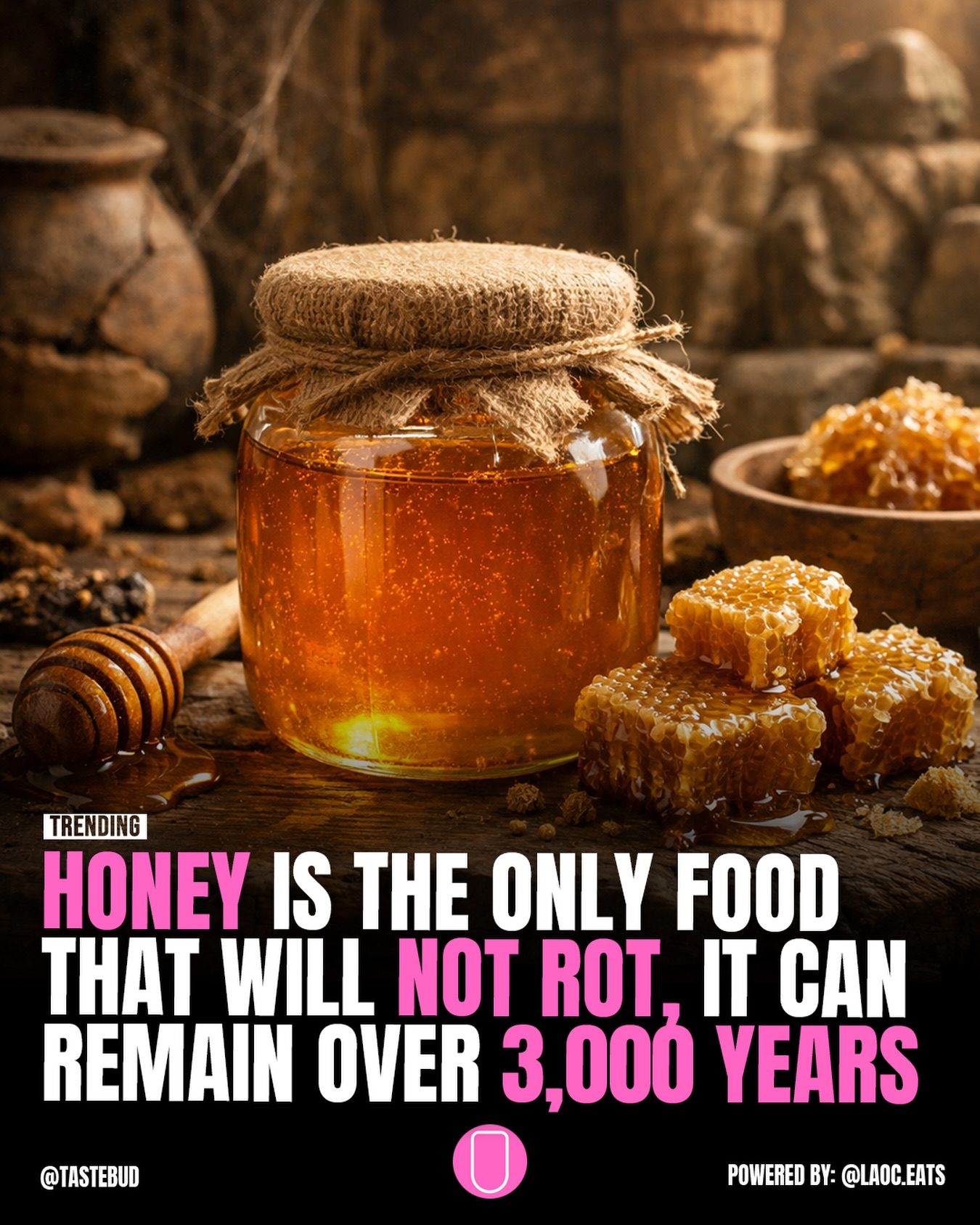
Honey: The Ancient Sweetener with Standout Properties
Honey is a timeless sweetener with a rich history that spans thousands of years. Beyond its delicious taste, honey stands out for its remarkable longevity and natural preservative qualities. Archaeologists have found jars of honey in ancient Egyptian tombs that remained edible after more than 3,000 years.
Context: Why This Matters
Honey's exceptional longevity and antibacterial properties make it a unique food item. Understanding these qualities can help in appreciating its versatility and health benefits. It's a natural preservative, making it a fascinating subject for those interested in food science and culinary history.
When evaluating honey, it's important to distinguish between raw, unprocessed honey and pasteurized varieties. Raw honey retains more of its natural qualities, including its antibacterial properties.
Main Discussion
Honey’s Natural Preservative Qualities
Honey’s ability to resist spoilage is due to its low moisture content and high acidity. These properties create an environment that inhibits bacterial growth. The enzyme glucosidase oxidase also contributes by producing hydrogen peroxide, enhancing honey’s antibacterial properties.
When honey is pasteurized, some of these natural qualities can be reduced. Pasteurization involves heating the honey to destroy yeast cells and prevent fermentation. This process can reduce the enzyme glucosidase oxidase, thereby diminishing honey’s antibacterial properties.
How Honey Is Made
Honey is produced by bees, primarily from nectar collected from flowers. The process involves several steps:
- Nectar Collection: Bees gather nectar from flowers using their proboscis, a tongue-like structure.
- Transportation: The nectar is stored in a honey stomach, a separate compartment from the digestive system.
- Regurgitation: Back at the hive, the nectar is regurgitated and chewed by house bees. This process adds enzymes that start transforming the nectar into honey.
- Evaporation: The bees fan their wings to evaporate excess water, concentrating the honey.
- Storage: Once the moisture content is low enough, the honey is stored in honeycombs. Bees use wax to create hexagonal cells and fill them with honey, which they then seal with wax.
Varieties of Honey
Different types of honey offer distinct flavors and health benefits. The type of nectar collected by the bees influences the final product. Here are a few notable varieties:
- Acacia Honey: Known for its mild, delicate flavor and light color. It’s often used in baking and as a natural sweetener.
- Buckwheat Honey: Dark in color with a strong, earthy flavor. It’s praised for its high antioxidant content and potential health benefits.
- Clover Honey: A light-colored honey with a mild, sweet flavor. It’s commonly used as a tabletop sweetener.
- Mana Honey: Produced from the mana flower of Hawaii, this honey is known for its unique taste and limited availability.
Practical Tips
Choosing the Right Honey
To maximize the benefits of honey, opt for raw, unprocessed varieties. These retain more of the natural antibacterial properties and enzymes that give honey its distinctive qualities.
Storing Honey
Store honey in an airtight container at room temperature. If crystallization occurs, simply place the jar in warm water until the honey liquefies. Avoid refrigerating honey, as the cold temperature can speed up crystallization.
Using Honey
Honey can be used in a variety of ways beyond sweetening tea or spreading on toast. Here are a few creative uses:
- Baking: Substitute honey for sugar in recipes to add a natural sweetener and depth of flavor.
- Skincare: Use honey as a natural moisturizer or face mask. Its antibacterial properties can help soothe and heal the skin.
- Medicinal Purposes: Consume honey as a natural remedy for sore throats or digestive issues. Its antibacterial properties can aid in healing.
Important Takeaways
Honey offers unique qualities that set it apart from other sweeteners. Its low moisture content, high acidity, and unique enzymes contribute to its longevity and antibacterial properties. While pasteurization can reduce some of these qualities, raw honey remains a powerful natural preservative.
Conclusion
Whether you’re a food enthusiast, a health-conscious individual, or someone interested in the fascinating world of bees and honey, this sweetener offers more than just flavor. Its natural preservative qualities and antibacterial properties make it a standout in the culinary world. By understanding and appreciating these attributes, you can fully enjoy the versatility and longevity of honey.
Watch the Reel
Questions readers ask
How does honey maintain its longevity over thousands of years?
Honey's exceptional longevity can be attributed to its unique composition, which includes low moisture content and the presence of natural preservatives like hydrogen peroxide and gluconic acid. These factors inhibit the growth of microorganisms, allowing honey to remain edible for extended periods, even for 3,000 years or more.
What is the significance of honey found in ancient Egyptian tombs?
The discovery of edible honey in ancient Egyptian tombs, dating back over 3,000 years, provides compelling evidence of honey's remarkable longevity. It highlights the natural preservative qualities and antibacterial properties of honey, making it a subject of interest for food scientists and culinary historians.
What are the benefits of raw, unprocessed honey over pasteurized honey?
Raw, unprocessed honey retains all its natural enzymes, antioxidants, and other beneficial compounds that are often destroyed during the pasteurization process. These compounds contribute to raw honey's antibacterial properties and overall health benefits. Raw honey also offers a more authentic taste experience, making it a popular choice among honey enthusiasts.
Why is honey considered a natural preservative?
Honey is a natural preservative due to its low water content, acidity, and the presence of antimicrobial compounds like methylglyoxal. These properties inhibit the growth of bacteria, yeast, and mold, making honey a highly effective natural preservative that can extend the shelf life of various foods and beverages.
What makes honey's antibacterial properties beneficial for health?
Honey's antibacterial properties are beneficial for health as they can help fight infections and promote wound healing. These properties are attributed to the presence of hydrogen peroxide, methylglyoxal, and other antimicrobial compounds in honey, which can inhibit the growth of harmful bacteria and support overall health and wellness.
How does the culinary history of honey reflect its significance?
The culinary history of honey reflects its significance as a versatile and long-lasting sweetener that has been used in various cultures for thousands of years. From ancient civilizations to modern times, honey has been a staple in many cuisines, used not only for its sweet taste but also for its natural preservative and antibacterial properties.
What is the best way to store honey to maintain its longevity?
To maintain honey's longevity, it is best to store it in an airtight container, such as a wooden jar, in a cool, dry place away from direct sunlight. This helps to preserve its natural properties and prevent crystallization, ensuring that it remains fresh and edible for an extended period. Additionally, storing honey at room temperature is recommended, as refrigeration can cause it to become thick and difficult to use.
Related deep dives
Similar reads based on topic and creator.




Recent articles
Fresh deep dives from the latest Reels we unpacked.




Comments
Be the first to comment.