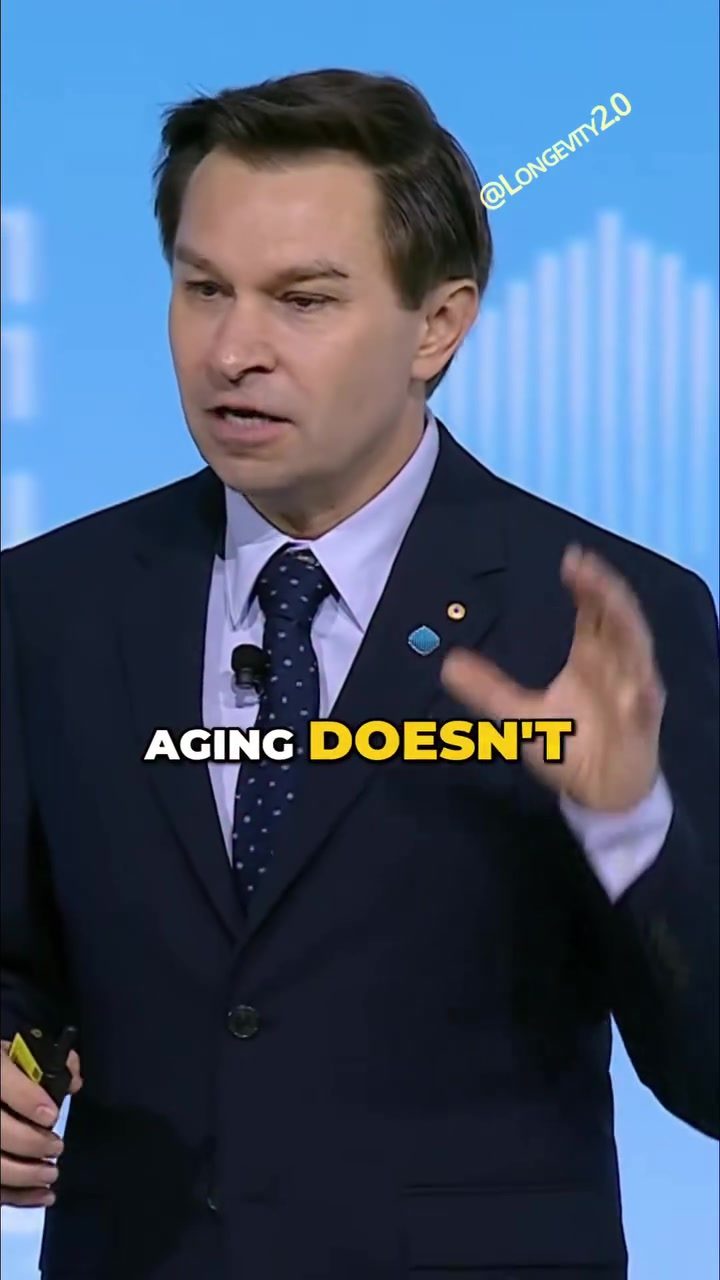
Aging: A Treatable Medical Condition?
Aging is a universal human experience. Yet, despite its commonality, it should not be accepted as an inevitable decline. For too long, society has dismissed the deterioration of eyesight, hearing, and heart health as simply a part of getting older. However, this perspective is shifting. Modern longevity science is reframing aging not as fate or destiny, but as a medical condition that is measurable, trackable, and potentially modifiable.
Why This Matters
The traditional view of aging has led to a passive acceptance of health decline. Conditions like heart disease, hearing loss, and vision impairment are often dismissed as "normal" parts of aging. However, this acceptance overlooks the fact that these conditions are often preventable or treatable. By reframing aging as a medical condition, researchers can focus on understanding and addressing the underlying mechanisms that drive biological aging.
The Shift in Perspective
Normal Does Not Mean Acceptable
Aging has long been considered an inevitable part of life. However, this perspective is changing. As David Sinclair explains, just because something is normal does not mean it should be acceptable. Consider the advancements in other areas of life:
- Air Quality: The air we breathe is filtered and purified to remove harmful pollutants.
- Vision Correction: Eyeglasses and contact lenses correct vision problems, restoring clarity.
- Joint Replacement: Surgical procedures replace worn-out joints, improving mobility.
- Vaccination: Diseases are prevented through vaccinations, enhancing overall health.
These advancements highlight that while many aspects of life are improved, aging has often been left untouched. Modern longevity science is now aiming to change that.
Aging as a Medical Condition
Longevity science is increasingly viewing aging as a medical condition. This perspective shift allows for a more proactive approach to addressing age-related health issues. By understanding the mechanisms driving biological aging, researchers can develop interventions to slow or even reverse the aging process.
Some of the key mechanisms involved in biological aging include:
- NAD⁺ Decline: NAD⁺ (nicotinamide adenine dinucleotide) is a crucial molecule involved in cellular metabolism. Its decline is linked to aging and age-related diseases.
- Mitochondrial Dysfunction: Mitochondria are the powerhouses of the cell, and their dysfunction is a hallmark of aging.
- DNA Damage: Accumulation of DNA damage over time contributes to aging and disease.
- Epigenetic Drift: Changes in gene expression patterns over time can lead to age-related changes in cells and tissues.
Mapping the Mechanisms
Researchers are now mapping the intricate pathways that drive biological aging. By understanding these mechanisms, they can develop targeted interventions to slow or even reverse the aging process. Some of the key areas of focus include:
- Measurable Biomarkers: Identifying biomarkers that can track the progress of aging and the effectiveness of interventions.
- Trackable Metrics: Developing tools to monitor changes in biological age over time.
- Modifiable Factors: Identifying and targeting factors that can be modified to slow or reverse aging.
Preserving Healthspan
The goal of longevity science is not just to extend lifespan but to enhance healthspan—the period of life spent in good health. This involves preserving:
- Eyesight: Maintaining clear vision and preventing age-related eye diseases.
- Hearing: Preserving hearing and preventing age-related hearing loss.
- Mobility: Ensuring that individuals can move freely and maintain an active lifestyle.
- Cognition: Keeping the mind sharp and preventing age-related cognitive decline.
- Vitality: Maintaining overall energy and well-being.
- Vitality: Maintaining overall energy and well-being.
Practical Tips for Promoting Longevity
While medical research is making strides, individuals can also take proactive steps to promote their own longevity. Some practical tips include:
- Healthy Diet: A balanced diet rich in fruits, vegetables, and whole grains can support overall health and longevity.
- Regular Exercise: Physical activity helps maintain mobility, strength, and cardiovascular health.
- Stress Management: Techniques such as meditation, yoga, and mindfulness can help manage stress and promote mental well-being.
- Adequate Sleep: Quality sleep is essential for overall health and longevity.
- Regular Check-ups: Regular medical check-ups can help detect and address health issues early.
Important Takeaways
The reframing of aging as a medical condition opens up new possibilities for improving health and longevity. By understanding and targeting the mechanisms that drive biological aging, researchers can develop interventions to slow or even reverse the aging process. Moreover, promoting a healthy lifestyle can further support longevity and enhance healthspan.
The Future of Medicine
The future of medicine may not be treating diseases one by one but targeting aging itself. By addressing the underlying mechanisms of aging, researchers can develop interventions that promote overall health and well-being. This shift in perspective offers hope for a future where aging is not a passive acceptance of decline but an active pursuit of vitality and health.
Conclusion
Aging is a complex and multifaceted process, but it is not an inevitable decline. By reframing aging as a medical condition, researchers can focus on understanding and addressing the underlying mechanisms that drive biological aging. This shift in perspective offers hope for a future where aging is not accepted as an untouchable part of life but as a condition that can be measured, tracked, and potentially modified.
The goal is not just to live longer but to live healthier, with preserved eyesight, hearing, mobility, cognition, and vitality. By embracing a proactive approach to aging, individuals and society can work towards a future where health and longevity are within reach for everyone.
Watch the Reel
Questions readers ask
What does it mean to view aging as a treatable condition?
Viewing aging as a treatable condition involves recognizing that the declining health associated with aging can be managed, delayed, or even prevented. This perspective encourages active intervention rather than passive acceptance of age-related health issues.
How is modern science reframing our understanding of aging?
Modern science is shifting the focus from accepting aging as an inevitable decline to understanding and targeting the underlying mechanisms that drive it. This includes research on cellular processes, genetics, and lifestyle factors that contribute to aging-related health issues.
What are some common aging issues that can be managed or prevented?
Conditions such as heart disease, hearing loss, and vision impairment are often considered normal parts of aging, but they can often be prevented or treated. Regular check-ups, a healthy lifestyle, and appropriate medical interventions can help keep these issues manageable.
What was discussed at the Aging Summit 2020?
The Aging Summit 2020 brought together experts to discuss the latest advancements in longevity research, strategies for treating aging, and the potential to make aging a more manageable process through targeted interventions and lifestyle changes.
Is there a consensus among researchers on how to treat aging?
While there is no single consensus, many researchers, including David Sinclair, agree that targeting specific aging mechanisms, such as cellular senescence and inflammation, can lead to significant improvements in health outcomes and longevity.
What is the significance of recognizing aging as a medical condition?
Recognizing aging as a medical condition encourages a proactive approach to health. When we treat aging as a medical condition, we can develop and implement preventative measures and treatments that may lead to healthier, longer lives.
How can we challenge the 'normal' acceptance of age-related health issues?
It is imperative to raise awareness about the preventable and treatable nature of common aging issues. Encouraging regular health screenings, promoting a healthy lifestyle, and staying informed about the latest research can help shift the perspective on aging from inevitable decline to a manageable condition.
Recent articles
Fresh deep dives from the latest Reels we unpacked.




Comments
Be the first to comment.