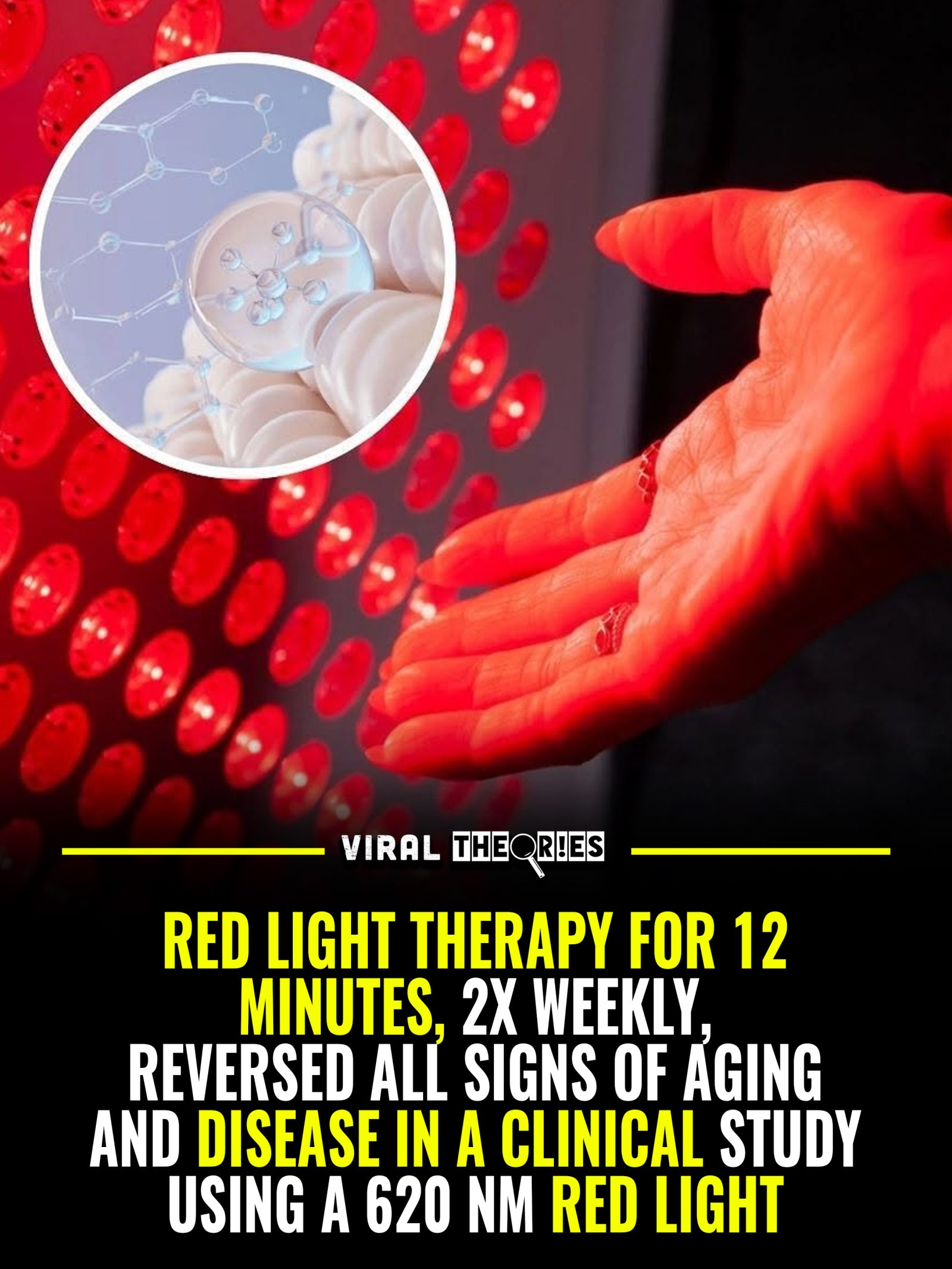
Red Light Therapy: Benefits, Usage, and Scientific Insights
Red light therapy is a non-invasive healthcare treatment that uses specific wavelengths of red light to stimulate healing and rejuvenate the body. It’s a growing trend in the health and wellness world, with claims ranging from reversing signs of aging to improving skin texture and reducing inflammation.
Context / Why this Matters
Red light therapy works by using light-emitting diodes (LEDs) that produce red and near-infrared (NIR) light. These wavelengths penetrate the skin and are absorbed by the mitochondria within cells. The process, known as photobiomodulation, boosts the production of adenosine triphosphate (ATP), the energy currency of cells. This, in turn, helps to reduce inflammation, accelerate muscle recovery, and stimulate collagen production.
Main Discussion
Scientific Basis and Clinical Studies
Multiple studies published on PubMed have explored the effects of red light therapy. These studies suggest that controlled exposure to specific red light wavelengths, around 620 to 630 nm, can have significant benefits. The key mechanism involves the activation of mitochondria, leading to increased ATP production. This boost in cellular energy helps combat oxidative stress, a process known to contribute to aging and various diseases.
Benefits for the Skin
One of the most compelling applications of red light therapy is its effect on the skin. Recent clinical trials have shown that participants who used red LED therapy a few times a week experienced visible improvements. These benefits include enhanced skin texture, a reduction in deep expression lines, and the fading of dark spots. The therapy works by stimulating the production of fresh collagen and improving skin elasticity, which helps in reducing the appearance of wrinkles and fine lines.
Muscle Recovery and Inflammation
For athletes and fitness enthusiasts, red light therapy offers significant benefits in speeding up muscle recovery and reducing inflammation. By directly targeting the mitochondria, the therapy boosts cellular energy, which aids in repairing damaged tissues and accelerating the recovery process. This makes it an attractive option for those looking to enhance their performance and reduce downtime between workouts.
Practical tips
How to Use a Red Light Therapy Device
Using a red light therapy device is straightforward. Typically, sessions last about 12 minutes and are recommended to be done twice a week. To maximize benefits, position the device roughly 6-12 inches away from the treatment area. Ensure the area is clean and free from any lotions or creams, as these can interfere with the light’s penetration.
Types of Devices
There are various types of red light therapy devices available, from small, handheld devices to larger panels. Handheld devices are portable and convenient for targeting specific areas like the face or joints. Larger panels, on the other hand, are ideal for full-body treatments and are often used in professional settings.
Safety and Precautions
Red light therapy is generally considered safe, with minimal side effects. However, it is essential to follow the manufacturer's instructions and avoid looking directly into the light source, as it can be harmful to the eyes. Additionally, individuals with underlying medical conditions or those taking photosensitizing medications should consult a healthcare provider before starting therapy.
Important Takeaways
Red light therapy is a versatile and effective tool for enhancing overall health and wellness. Its ability to boost cellular energy, reduce inflammation, and stimulate collagen production makes it a valuable addition to skincare routines and recovery regimens. While the therapy won't make you immortal, it offers tangible benefits that can enhance quality of life and promote longevity.
Recent clinical trials and studies show that red light therapy can significantly improve skin texture, reduce inflammation, and speed up muscle recovery. These benefits are grounded in the therapy's ability to target the mitochondria within cells, leading to increased ATP production and enhanced cellular repair processes.
Conclusion
Red light therapy is more than just a trendy wellness treatment; it is a scientifically backed approach to improving health and well-being. From reversing signs of aging to boosting muscle recovery, the benefits are diverse and well-documented. As more research emerges, red light therapy is likely to become an even more integral part of everyday wellness routines. If you haven't tried it yet, consider incorporating it into your regimen to experience its powerful effects.
Watch the Reel
Questions readers ask
What are the primary benefits of red light therapy for skin health?
Red light therapy can improve skin health by reducing inflammation, accelerating collagen production, and enhancing skin texture. This non-invasive treatment can help diminish fine lines, wrinkles, and age spots, making it a popular choice for those seeking natural anti-aging treatments.
How does red light therapy aid in muscle recovery?
By increasing energy production within cells, red light therapy can help reduce muscle fatigue and inflammation, leading to faster recovery times. This makes it a valuable tool for athletes and fitness enthusiasts looking to optimize their training routines.
What is photobiomodulation and how does it relate to red light therapy?
Photobiomodulation is the process by which light energy is absorbed by cells, stimulating various cellular processes. In the context of red light therapy, photobiomodulation boosts ATP production, which in turn helps to reduce inflammation, improve skin health, and accelerate muscle recovery.
What are the key findings from clinical studies on red light therapy?
Clinical studies have shown that red light therapy can significantly improve skin texture, reduce wrinkles and fine lines, and decrease inflammation. Additionally, studies have demonstrated its potential to enhance muscle recovery and reduce joint pain, further supporting its growing popularity in the health and wellness sector.
How does red light therapy work to combat signs of aging?
Red light therapy targets the mitochondria within cells, boosting energy production and promoting cellular repair. This process can help reverse signs of aging, such as wrinkles, age spots, and uneven skin tone, making it a scientifically backed approach to rejuvenating the skin naturally.
Can red light therapy be used in conjunction with other treatments?
Yes, red light therapy can be combined with other treatments. Many people use it alongside skincare routines, physical therapy, or fitness regimens to enhance overall results. However, it's always a good idea to consult with a healthcare provider before starting any new treatment.
What are the typical wavelengths used in red light therapy?
Red light therapy typically uses wavelengths ranging from 600 to 700 nanometers for red light and 700 to 1,000 nanometers for near-infrared light. These specific wavelengths are chosen because they can penetrate the skin and are absorbed by the mitochondria, initiating the process of photobiomodulation.
Related deep dives
Similar reads based on topic and creator.



Recent articles
Fresh deep dives from the latest Reels we unpacked.




Comments
Be the first to comment.