Historical Photo Recreation
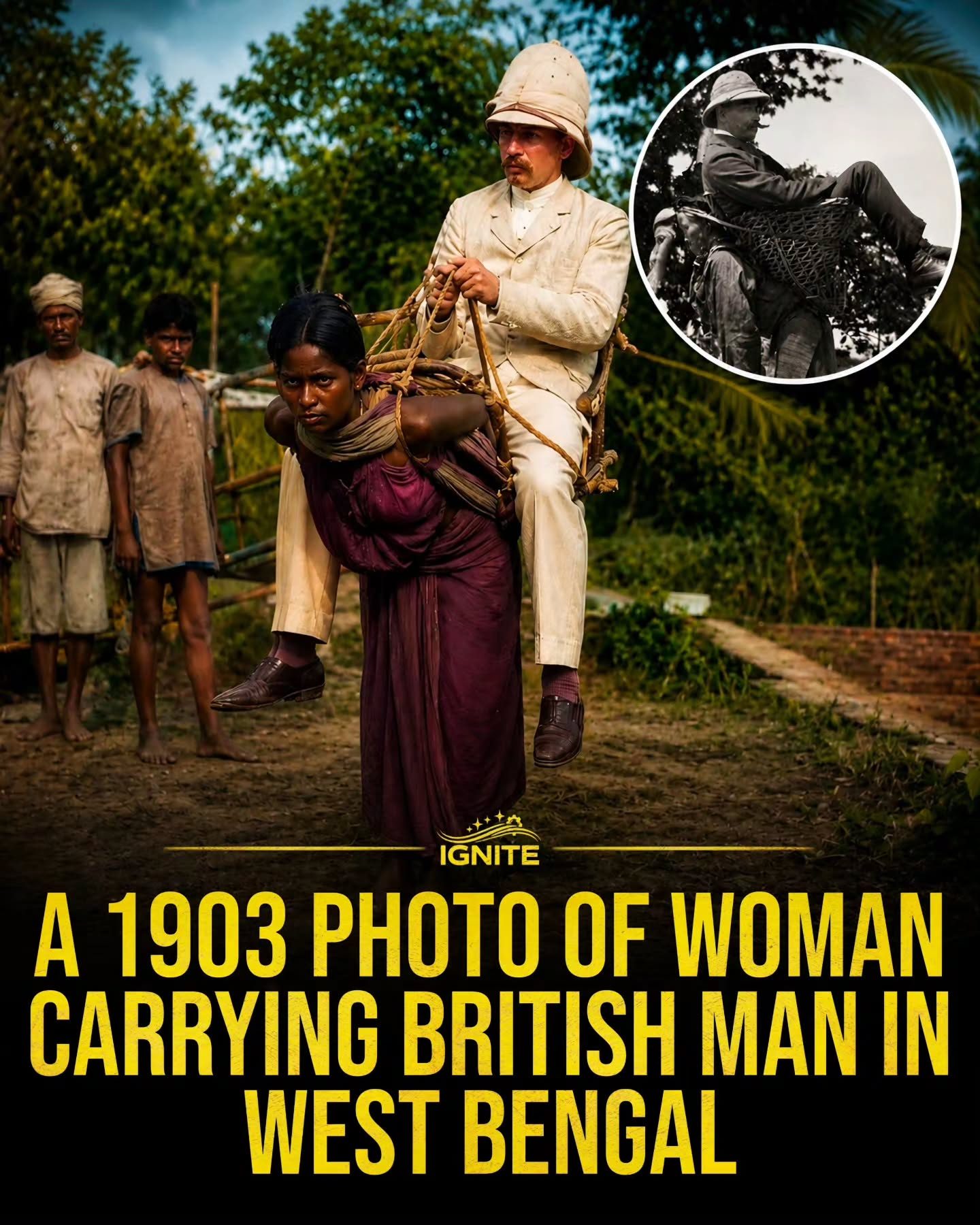
A striking recreation of a 1903 photograph offers a glimpse into the past, depicting a woman carrying a man in West Bengal, India. The original photograph, now meticulously recreated, provides a unique window into the historical and cultural context of the region during the early 20th century. This recreation not only showcases the skill of the recreators but also prompts a deeper exploration of the historical and social dynamics at play.
Context / Why This Matters
The recreation of historical photographs is more than just a visual trick; it's a way to connect with the past. Such recreations help bridge the gap between different eras, allowing us to understand the lives and experiences of people long gone. This particular image, set in West Bengal, not only highlights the physical landscape of the region but also touches on the social dynamics and power structures of the time.
Main Discussion
The Original Photograph
The original 1903 photograph captures a moment of interaction between a British man and an Indian woman. The woman is seen carrying the man on her back, a scene that is both striking and evocative. This image was taken during the British Raj, a period marked by significant colonial influence. The relationship between the British and Indian people during this time was complex, often characterized by power imbalances and cultural misunderstandings.
The Recreated Photograph
The recreation of this photograph is a remarkable feat, capturing the essence of the original while adding a layer of modernity. The attention to detail in both the setting and the poses of the subjects makes the recreation almost indistinguishable from the original. The rural setting, with its lush greenery and modest dwellings, transports the viewer back to a time when such interactions were more common.
Historical and Cultural Significance
The scene depicted in the photograph is rich with historical and cultural significance. The act of a woman carrying a man on her back was not uncommon during this period. It often reflected the labor and service roles that women played in society, particularly in rural areas. The British man in the photograph likely represents the colonial authority, highlighting the economic and social disparities of the time. This interaction, though simple, encapsulates the broader themes of colonialism and the social fabric of West Bengal.
The Role of Photographs in History
Photographs serve as invaluable historical artifacts, providing snapshots of life as it was. They offer insights into the fashion, architecture, and social norms of the time. In the case of this 1903 photograph, it not only shows a specific moment but also hints at the broader cultural and social dynamics of the period. Historical recreations, like the one featured, help keep these moments alive and allow for a deeper understanding of the past.
Practical Tips
Recreating Historical Photographs
Recreating historical photographs can be a rewarding endeavor, but it requires meticulous attention to detail.
- Research: Begin with thorough research. Understand the context, the people, and the setting of the original photograph.
- Costumes and Props: Authenticity is key. Use period-appropriate costumes and props to enhance the realism of the recreation.
- Location: Choose a location that closely matches the original setting. For this photograph, a rural area in West Bengal would have been ideal.
- Lighting and Composition: Pay close attention to the lighting and composition. Historical photographs often have a distinct look and feel, which can be challenging to replicate.
Preserving Historical Images
Preserving historical images is crucial for future generations.
- Digital Scanning: Use high-resolution digital scanning to create digital copies of historical photographs.
- Archival Storage: Store original photographs in archival-quality containers to protect them from damage.
- Metadata: Add detailed metadata to digital copies, including the date, location, and any relevant historical context.
Important Takeaways
The recreation of the 1903 photograph of a woman carrying a British man in West Bengal is a poignant reminder of the past. It underscores the importance of historical photographs as cultural artifacts and the need to preserve them for future generations. Such recreations not only bring history to life but also encourage us to delve deeper into the stories behind these images.
Conclusion
Historical recreations, like the one featured, serve as a bridge between the past and the present. They offer a unique perspective on historical events and social dynamics, allowing us to appreciate the rich tapestry of human history. Whether through meticulous recreations or digital preservation, these efforts ensure that our past remains alive and accessible for generations to come. The 1903 photograph of a woman carrying a British man in West Bengal is a testament to the power of visual storytelling and the enduring significance of historical images.
Watch the Reel
Questions readers ask
Why is the 1903 photograph from West Bengal significant?
The 1903 photograph is significant because it captures a specific moment in time, providing insights into the social and cultural dynamics of West Bengal during the early 20th century. It also reflects the rural setting and the roles that people might have held during the British Raj era, making it a valuable resource for understanding history.
What challenges might recreators face when attempting to replicate old photographs?
Recreators face several challenges, including sourcing accurate period clothing, props, and finding the right location that matches the original setting. Additionally, capturing the exact poses and expressions of the subjects, as well as considering the cultural and social nuances of the past, can be difficult but rewarding.
How does recreating this specific photograph help us understand the past?
Recreating the 1903 photograph of a woman carrying a man in West Bengal helps us understand the physical and social environments of the early 20th century. It gives us a visual reference for the daily life and labor dynamics, offering a tangible connection to the lives of people during the colonial period.
What is the significance of the woman carrying a man in the photograph?
The scene of a woman carrying a man in the 1903 photograph can indicate several things, such as the physical labor roles, the relationships between people, and the social norms of the time. It raises questions about gender roles and the social hierarchy, making it a rich subject for historical inquiry.
How does the setting of West Bengal in the 1903 photograph contribute to its historical context?
The rural setting of West Bengal in the 1903 photograph is crucial because it highlights the agrarian and rural lifestyle of the region during the British Raj. This setting provides a backdrop for understanding the daily lives, occupations, and social interactions of people in early 20th-century India.
What techniques might be used to recreate old photographs like the 1903 West Bengal image?
Recreating old photographs often involves extensive research and planning. Techniques may include using period-accurate costumes, props, and settings, as well as employing photographic methods that mimic the aesthetics of early 20th-century cameras. Additionally, finding models with similar physical characteristics to the original subjects can enhance authenticity.
How does the recreation of historical photographs benefit modern audiences?
The recreation of historical photographs offers modern audiences a vivid and relatable way to engage with the past. It allows people to visualize and connect with historical events and social dynamics, fostering a deeper appreciation for history and cultural heritage. Additionally, such recreations can inspire further curiosity and exploration into the lives of people from different eras.
Related deep dives
Similar reads based on topic and creator.

Recent articles
Fresh deep dives from the latest Reels we unpacked.



Comments
Be the first to comment.