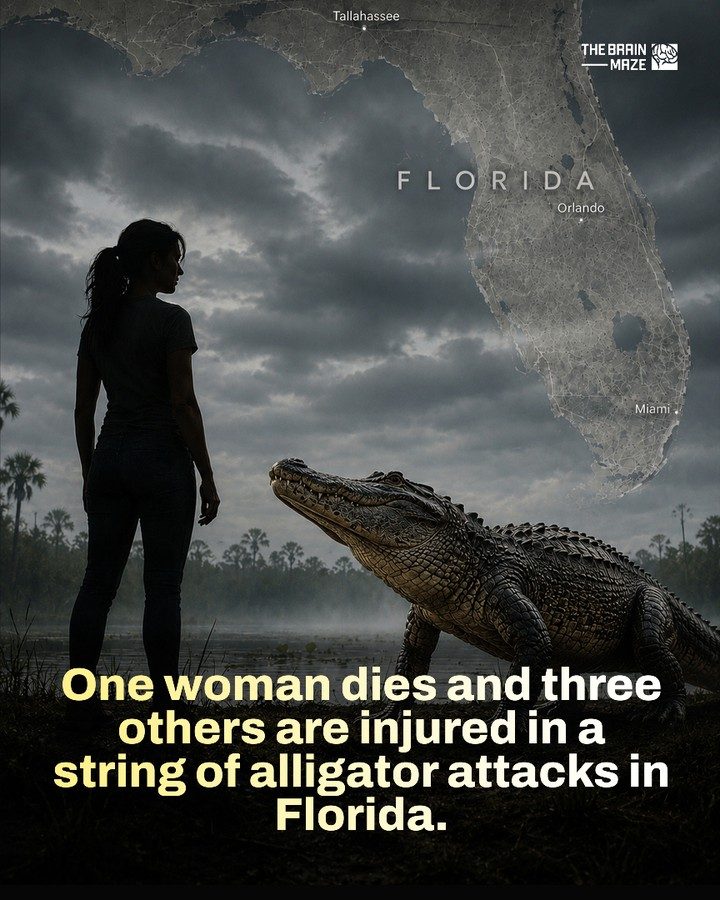
Alligator Attacks in Florida
Alligators are a familiar and formidable presence in Florida, with an estimated 1.3 million of these large reptiles making their home in the state. While unprovoked attacks are relatively rare, recent events have highlighted the potential dangers of alligator encounters. Within just one week, three separate alligator attacks were reported in central Florida, with tragic consequences.
Why This Matters
Florida's alligator population is substantial, but interactions resulting in injuries or fatalities are not common. Understanding the circumstances surrounding these attacks and knowing how to stay safe around alligators is crucial for residents and visitors alike. This awareness can help mitigate risks and ensure that people can enjoy Florida's natural environments safely.
The Recent Incidents
The most tragic of these incidents was the fatal attack on a 31-year-old woman, which occurred while she was swimming in the Econlockhatchee River. Her death, along with injuries to three other individuals, underscores the unpredictable nature of alligator behavior. Wildlife officials were quick to respond, removing the suspected alligators from the areas where the attacks took place. This swift action is a standard protocol to ensure public safety and to assess each animal for potential threats.
Understanding Alligator Behavior
Natural Habitats and Human-Protected Interactions
Alligators are native to Florida and thrive in the state's diverse waterways, including rivers, lakes, and wetlands. These ecosystems provide ample food and shelter for alligators, making them a vital part of the local ecology. However, as human populations grow and expand into these natural habitats, the chances of encounters increase. This proximity can lead to misunderstandings and potential conflicts.
Factors Contributing to Attacks
Several factors can contribute to alligator attacks. For example, alligators are territorial and may perceive humans as threats, especially if they are protecting their nests or young. Additionally, the presence of food waste, garbage, and other attractants around waterways can draw alligators closer to human activity, increasing the likelihood of encounters.
Common Alligator Attack Misconceptions
It is often believed that alligators are always aggressive, but this is not accurate. Most alligators avoid human contact and prefer to stay hidden in their natural habitats. Typically, they only attack to defend themselves or their territory. The reality is different for other factors like perceived threats or misjudgments.
Practical Tips for Staying Safe
Knowing the Signs
Recognizing the signs of alligator activity can help prevent dangerous situations. Look for tracks, slides, or nests near water bodies, and be cautious if you see these indicators. Additionally, alligators are more active during certain times of the day, especially at dawn and dusk. Avoid swimming or wading in fresh or brackish water during these times.
Safety Guidelines
- Stay Aware of Your Surroundings: Always be mindful of your environment, especially when near water. Pay attention to warning signs and avoid areas known for alligator activity.
- Keep a Safe Distance: Maintain a safe distance from alligators, and never approach or feed them. Use binoculars or a camera with a zoom lens for a closer look.
- Do Not Feed or Disturb: Feeding alligators can make them associate humans with food, leading to unwanted encounters. Similarly, avoid disturbing alligators during nesting season, as they may become aggressive to protect their young.
What to Do in Case of an Encounter
If you encounter an alligator, remain calm and do not run. Running can trigger the alligator's predatory instincts. Instead, back away slowly and maintain a safe distance. If an attack occurs, fight back aggressively and seek immediate medical attention.
Important Takeaways
Alligator attacks, while rare, can be life-threatening. Understanding alligator behavior and taking precautionary measures can significantly reduce the risk of such incidents. By staying informed and vigilant, we can coexist safely with these powerful and intriguing creatures.
Conclusion
The recent alligator attacks in Florida serve as a reminder of the importance of safety and awareness when venturing into alligator territories. While these reptiles are a natural and integral part of Florida's ecosystem, taking precautions can help prevent dangerous encounters. By adhering to safety guidelines and respecting alligators' natural habitats, we can continue to enjoy Florida's natural beauty while minimizing risks.
Watch the Reel
Questions readers ask
How common are alligator attacks in Florida?
Alligator attacks in Florida are relatively rare, despite the state's high alligator population. While there are approximately 1.3 million alligators in Florida, serious incidents are not frequent. It is important to note that most alligators avoid humans, and attacks typically occur due to specific circumstances.
What should I do if I encounter an alligator in Florida?
If you encounter an alligator, it is crucial to maintain a safe distance. Never approach or feed alligators, and keep a safe distance from the water's edge, especially in areas known for alligator activity. If an alligator hisses or shows aggressive behavior, back away slowly and calmly.
What are the most common factors leading to alligator attacks?
Most alligator attacks are a result of human behavior, such as feeding alligators, approaching them too closely, or swimming in areas known for alligator presence. Additionally, alligators may become aggressive if they feel threatened or if they are protecting their young.
What actions can I take to prevent alligator attacks?
To prevent alligator attacks, always be aware of your surroundings and follow safety guidelines. Keep a safe distance from alligators, never feed them, and avoid swimming or wading in areas where alligators are known to live. If you spot an alligator, alert local wildlife authorities and follow their instructions.
What should I do if I am attacked by an alligator?
In the rare event of an alligator attack, try to fight back and aim for the alligator's eyes, nose, or mouth. Call for help immediately and alert local wildlife authorities. If possible, seek medical attention promptly, as alligator bites can cause severe injuries and infections.
Are there specific areas in Florida where alligator attacks are more likely to occur?
While alligator attacks can happen anywhere in Florida, they are more likely to occur in central and southern Florida, particularly around freshwater bodies like lakes, rivers, and marshes. Areas with a high concentration of alligators, such as the Everglades and Orlando, are also of concern. Always be cautious and follow safety guidelines when in these areas.
What should I do if I see an alligator near my home or property?
If you see an alligator near your home or property, do not attempt to approach or harass it. Keep a safe distance and contact your local wildlife management authorities. They can assess the situation and take appropriate action to ensure your safety and the well-being of the alligator, which may include relocation or monitoring.
Recent articles
Fresh deep dives from the latest Reels we unpacked.




Comments
Be the first to comment.