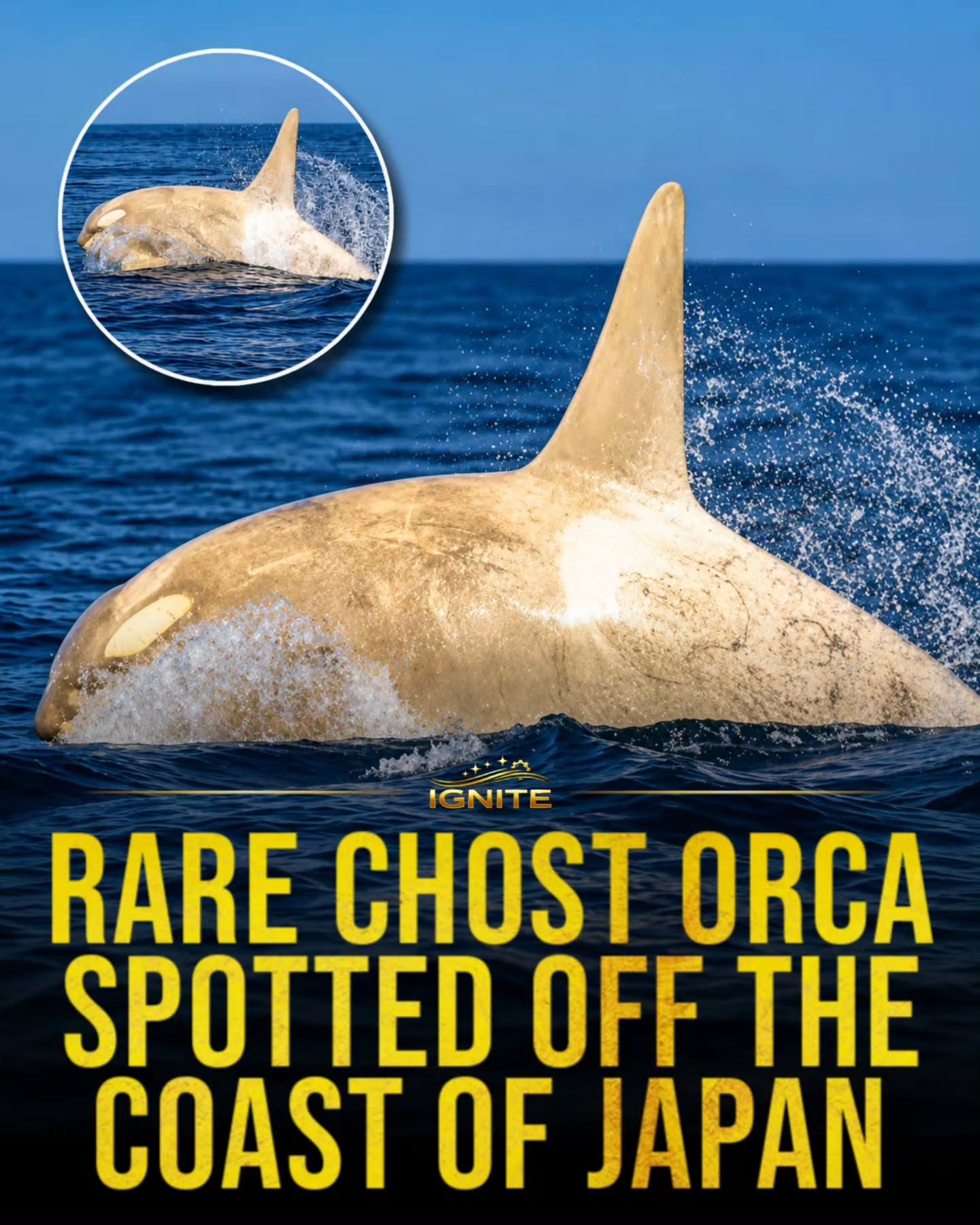
Rare White Orca Sighting off the Coast of Japan
A rare white orca was recently spotted off the coast of Rausu, Hokkaido, Japan, swimming alongside a pod of killer whales. This extraordinary sighting, captured in June 2026, marks a significant moment in marine wildlife observation. The orca, believed to be male and approximately 8 meters long, is a striking example of a phenomenon known as leucism, which differs from albinism.
Context: The Mystery of the Ghost Orca
Leucism is a condition that results in partial or full loss of pigmentation in animals, but unlike albinism, it does not affect the eyes. This particular orca, referred to as a "Ghost Orca," has captivated the attention of both marine biologists and the public due to its unique appearance and the rarity of such sightings.
The Significance of the Sighting
Rare Encounters
The encounter was documented by nature photographer Tokuyuki Hayakawa, who has spent 15 years photographing orcas in the region. For Hayakawa, this was his first time seeing a white orca. The rarity of such sightings adds to the allure and mystery surrounding these "phantom" whales, as they are affectionately known by locals.
Scientific Importance
The sighting holds significant scientific value. Experts believe the orca's coloration is a result of leucism, a condition that affects pigmentation but not the eyes. This distinguishes it from albino animals, which typically have red eyes due to a lack of melanin in the eyes. The unique genetic makeup of leucistic animals makes them a subject of interest for genetic studies.
Cultural Impact
The sighting has also sparked interest among locals in Japan. The term "phantom" whales reflects the mystique and rarity associated with these animals. In Japanese folklore, ghosts or phantoms often carry a sense of mystery and intrigue, adding to the cultural significance of this particular orca.
Understanding Leucism
What is Leucism?
Leucism is a condition that results in the loss of pigmentation in animals, affecting both the skin and hair. Unlike albinism, it does not affect the eyes and can result in a variety of patterns, from partial to full loss of color. In the case of the white orca, the condition affects the dorsal fin and body, making it stand out against the typical black and white coloration of killer whales.
How Does Leucism Differ from Albinism?
Albinism is a genetic condition that results in the complete or partial absence of melanin, the pigment that gives color to skin, hair, and eyes. In contrast, leucism affects only the pigment cells, not the eyes, and can result in patches of depigmentation. The white orca's eyes are fully functional, with no signs of the characteristic red eyes often seen in albino animals.
Practical Tips for Wildlife Photography
Capturing Wildlife in Their Natural Habitat
This rare sighting also offers valuable insights into capturing wildlife in their natural habitat. Tokuyuki Hayakawa's expertise in wildlife photography highlights the importance of patience, preparation, and understanding the behavior of the animals you are photographing. His 15 years of experience in the area have equipped him with the knowledge and skill necessary to capture such a unique and rare moment.
Equipment and Techniques
For wildlife photography, having the right equipment is crucial. This includes high-resolution cameras, telephoto lenses, and sturdy tripods. Technique-wise, understanding the behavior of your subject and being prepared for quick movements can make all the difference. Using a faster shutter speed and continuous shooting mode can help in capturing detailed and sharp images of animals in action, like the dramatic breach of the white orca.
Respect for Wildlife
It's essential to respect the animals and their environment. Nothing should disrupt the natural behavior or habitat of the wildlife you are photographing. Maintaining a safe distance and using appropriate lenses to avoid disturbing the animals ensures that both the photographer and the wildlife remain safe.
Important Takeaways
The sighting of the rare white orca underscores the importance of ongoing marine research and conservation efforts. Understanding the genetic makeup of leucistic animals and their behavior can provide valuable insights into marine ecology. The encounter also highlights the significance of wildlife photography in documenting and sharing these rare moments with the world.
The sighting is a testament to the beauty and mystery of the natural world. It serves as a reminder of the need for continued conservation efforts to protect these magnificent creatures and their habitats.
Conclusion
The appearance of a rare white orca off the coast of Japan is a remarkable event that has captivated both scientists and the public. This unique orca, believed to be male and around 8 meters long, is a fascinating example of leucism. The sighting underscores the importance of marine conservation and the value of wildlife photography in documenting and sharing these extraordinary moments.
For nature enthusiasts, marine biologists, and photographers alike, this encounter serves as a reminder of the wonders of the natural world and the need to protect these magnificent creatures.
Watch the Reel
Questions readers ask
What is a Ghost Orca and how does it differ from an albino orca?
A Ghost Orca is a term used to describe an orca with a condition called leucism. Leucism differs from albinism because it results in partial or full loss of pigmentation without affecting the eyes, leaving the eyes their typical color. Albino animals have a complete loss of pigment, including in their eyes.
Where was the rare white orca photographed in Japan?
The rare white orca was photographed off the coast of Rausu, Hokkaido, in Japan. This specific location is significant because it is a unique marine environment where this rare sighting occurred.
What are the genetic implications of leucistic orcas?
Leucistic orcas are extremely rare, which implies that the genetic factors contributing to this condition are not common. This sighting offers insights into the unique genetic variations that can occur within orca populations, though more research is needed to fully understand these implications.
How large was the Ghost Orca spotted in June 2026?
The Ghost Orca spotted in June 2026 is believed to be a male, approximately 8 meters in length. This size is typical for an adult male orca, indicating that the Ghost Orca is a fully grown individual.
Why is the sighting of the Ghost Orca so significant?
The sighting of the Ghost Orca is significant because leucistic orcas are extremely rare. This particular sighting is unique not only for its rarity, but also because it provides an opportunity for scientists to study this unusual condition in more detail. The public's fascination with this sighting also highlights the broader interest in marine wildlife.
What is the difference between leucism and albinism in orcas?
Leucism in orcas results in a partial or complete loss of pigmentation in the skin and fur, but the eyes remain their typical color. In contrast, albinism affects the entire body, including the eyes, resulting in a complete lack of pigmentation.
Was the Ghost Orca seen with other orcas?
Yes, the Ghost Orca was photographed swimming alongside a pod of killer whales. This observation is notable because it shows that the leucistic orca is able to integrate with a typical orca pod, suggesting that its condition does not hinder its social behavior.
Related deep dives
Similar reads based on topic and creator.




Recent articles
Fresh deep dives from the latest Reels we unpacked.




Comments
Be the first to comment.