A Rare Fish Case in the Philippines
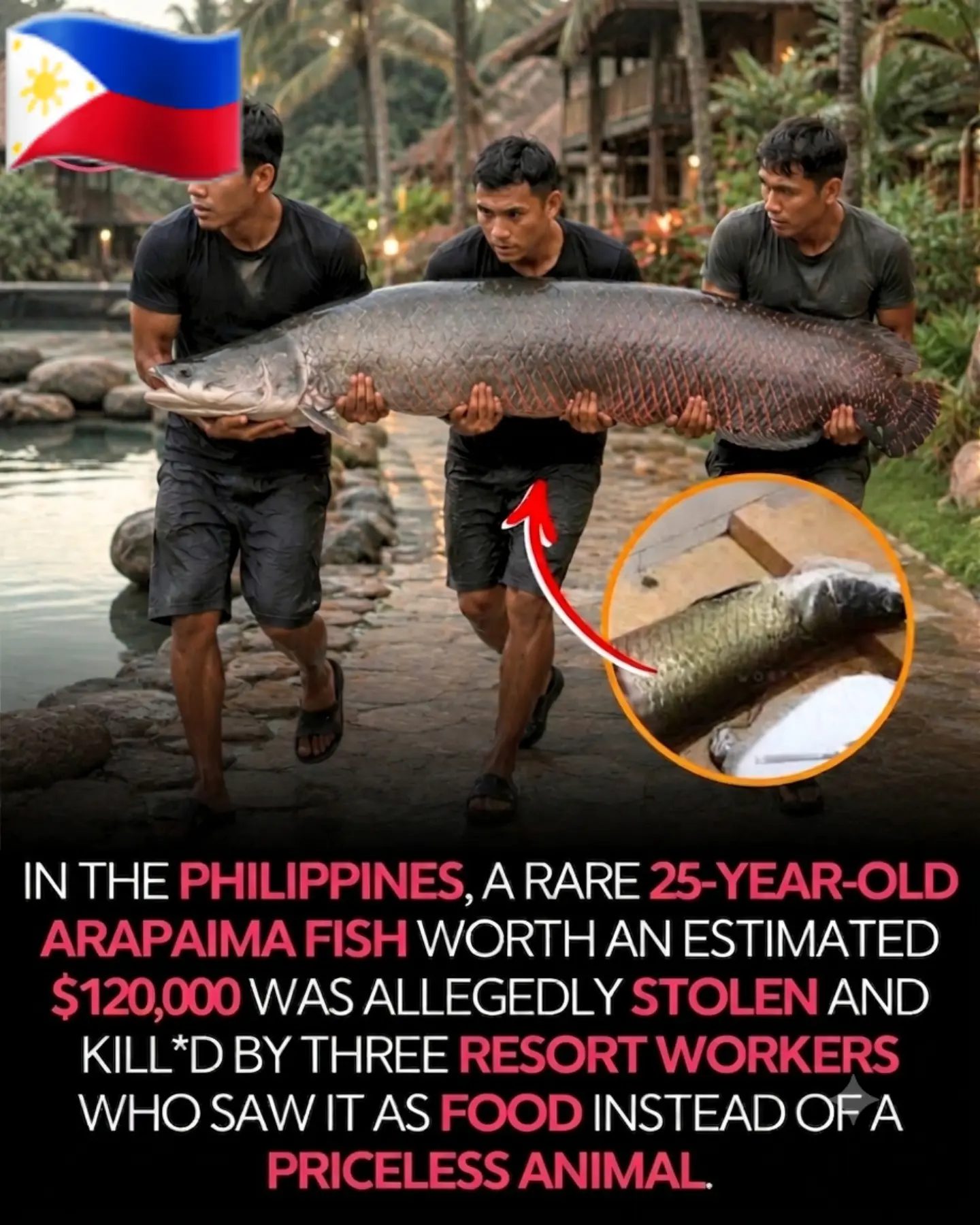
In July 2026, an extraordinary incident unfolded at a resort in Quezon, Philippines. A 25-year-old arapaima, a rare and valuable fish, was reported stolen and killed. The fish, valued at approximately $120,000, was allegedly taken by three resort workers who mistook it for food. This incident highlights the broader implications of wildlife loss and the importance of conservation efforts.
The Incident
What Happened?
On July 6, 2026, a platinum arapaima, a prized attraction at a Quezon resort, went missing. The fish, which had been carefully cultivated for over two decades, was discovered butchered by three resort employees. A security guard intercepted the workers as they transported the dead fish to the staff quarters, leading to the suspects' apprehension and the recovery of the remains.
The Value of the Fish
The arapaima was not only significant for its monetary value but also for its rarity and the effort required to maintain it. Cultivating such a specimen involves decades of dedicated environmental management and strict protection. The fish was part of the resort's attractions, adding to its ecological and economic value.
The Arapaima Species
The arapaima, also known as the pirarucu, is one of the world's largest freshwater fish. It is often referred to as a "living fossil" due to its ancient lineage, dating back millions of years. This species is native to the Amazon and Orinoco basins in South America, but its presence in the Philippines is a testament to human intervention and conservation efforts.
An Ancient Giant
The arapaima's size and age make it a remarkable creature. Specimens can grow up to 10 feet in length and weigh over 400 pounds. Its longevity and the care required to maintain such conditions further emphasize the gravity of its loss.
A Lifetime of Care
Cultivating an arapaima of this size requires meticulous care and a deep understanding of its natural habitat. The incident serves as a stark reminder of the effort and resources invested in preserving such species, making the loss even more devastating.
The Impact on Conservation
This incident underscores the importance of wildlife conservation and the dire consequences of negligence. Every rare animal serves as a vital anchor for biodiversity, contributing to the delicate balance of our natural ecosystems.
A Critical Turning Point
The arapaima's tragic end highlights the need for stricter measures and greater awareness about the value of wildlife. It serves as a wake-up call for resorts and conservationists alike, reminding us of our shared responsibility to protect these magnificent creatures.
The True Value of Wildlife
The greatest value of wildlife cannot be measured in financial terms. These creatures are irreplaceable pieces of our planet's heritage, and their loss represents a significant blow to biodiversity. When remarkable species are treated as mere commodities, we risk losing them forever, along with the ecological balance they help maintain.
Practical Tips for Wildlife Protection
Education and Awareness
Raising awareness about the significance of wildlife and the consequences of their loss is crucial. Resorts and other facilities housing rare species should implement comprehensive training programs for their staff, emphasizing the importance of conservation and the proper handling of such creatures.
Security Measures
Enhanced security protocols can help prevent similar incidents. Installing surveillance cameras, implementing stricter access controls, and educating staff on the importance of vigilance can make a significant difference.
Collaborative Efforts
Collaboration between local authorities, conservation organizations, and resorts is essential. Joint efforts can lead to better regulation, monitoring, and protection of wildlife, ensuring their safety and sustainability.
Important Takeaways
Responsibility and Accountability
The incident underscores the shared responsibility we have in protecting our wildlife. By taking proactive measures, we can prevent the loss of valuable species and preserve the delicate balance of our ecosystems.
Value Beyond Monetary Terms
Wildlife holds immense ecological and cultural value beyond its financial worth. It is our duty to recognize and respect this value, ensuring that future generations can appreciate and benefit from these extraordinary creatures.
The Need for Comprehensive Conservation
This incident highlights the need for comprehensive conservation efforts. From education and awareness to security measures and collaborative efforts, a multi-faceted approach is necessary to safeguard our wildlife.
Conclusion
The tragic loss of the 25-year-old arapaima in the Philippines serves as a powerful reminder of the value and importance of wildlife. It highlights the need for greater awareness, stricter security, and comprehensive conservation efforts to protect these remarkable creatures. By recognizing the true worth of our wildlife and taking collective responsibility, we can ensure a sustainable future for these irreplaceable treasures.
Watch the Reel
Questions readers ask
What is an arapaima and why is it valuable?
The arapaima is a large, predatory fish native to South America. It can grow to significant sizes and live for many decades, making it a prized species among collectors and enthusiasts. The particular arapaima in question, a platinum variety, was valued at $120,000 due to its rarity, age, and unique characteristics, which make it a highly sought-after specimen.
What led to the theft and killing of the arapaima at the Philippines resort?
The incident involved three resort staff members who allegedly stole and killed the arapaima. According to reports, the workers mistook the fish for a regular food source, indicating a lack of awareness about the fish's true nature and value, which underscores some of the challenges in conserving wildlife.
How was the theft discovered and what happened to the culprits?
The theft was discovered when a security guard intercepted the resort employees as they were transporting the dead fish to the staff quarters. The employees were subsequently apprehended, highlighting the importance of vigilance in protecting valuable and rare wildlife.
What implications does this incident have for wildlife conservation?
This incident serves as a stark reminder of the challenges in wildlife conservation, especially when it comes to rare and valuable species. It emphasizes the need for better awareness, stricter protocols, and more effective measures to safeguard wildlife in both public and private settings.
What measures can resorts and similar establishments take to prevent such incidents in the future?
Resorts and similar establishments can take several steps to prevent such incidents, including providing thorough training to staff about the value and significance of the wildlife in their care, implementing strict security protocols, and fostering a culture of respect and appreciation for wildlife species.
What is the significance of the arapaima's age in this incident?
The arapaima's age is significant because it had been carefully cultivated for over two decades, making it a unique and invaluable specimen. The loss of such an old fish not only represents a financial loss but also a loss of a rare, long-term wildlife specimen.
Related deep dives
Similar reads based on topic and creator.




Recent articles
Fresh deep dives from the latest Reels we unpacked.




Comments
Be the first to comment.