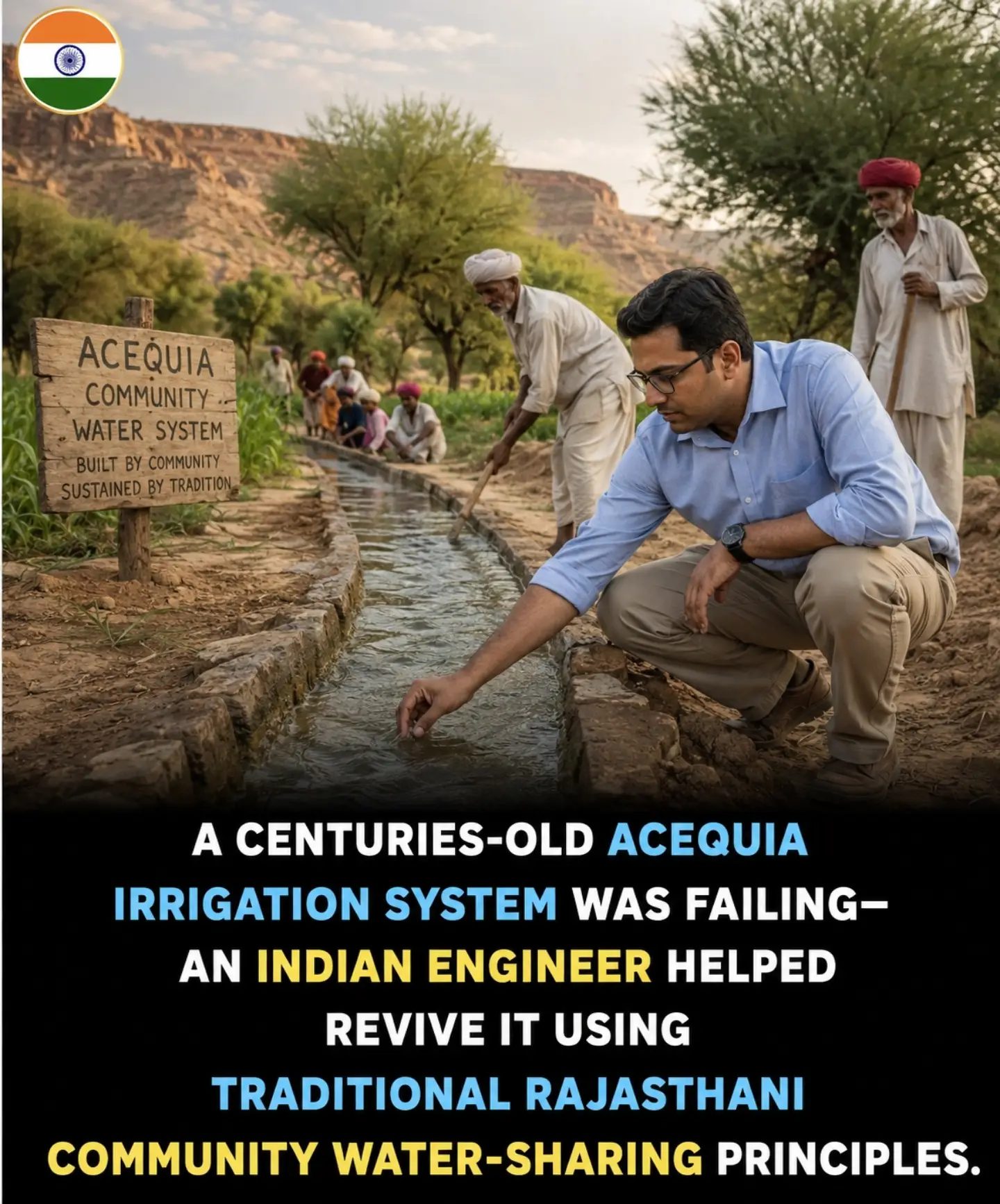
Water System Revival
Acequias are centuries-old irrigation systems designed to bring water to communities. They have been a lifeline for many rural areas, particularly in regions like Rajasthan, India. These systems are not just engineering marvels but also cultural treasures that embody traditional community values and water-sharing principles.
Why This Matters
The revival of failing Acequia systems is crucial for several reasons. Firstly, these systems are integral to the livelihood and sustainability of many communities. Secondly, they represent a rich cultural heritage that has been passed down through generations. Lastly, traditional water-sharing principles are more relevant than ever in the face of modern water scarcity challenges.
Community-Based Irrigation Systems
Acequias operate on the principle of communal management and equitable water distribution. Historically, these systems were built and maintained by the community itself, ensuring that everyone had access to water for agriculture and daily needs. This cooperative approach has been the backbone of Acequias for centuries, fostering a sense of collective responsibility and mutual aid.
The Traditional Water-Sharing Principles
The traditional principles of water sharing in Rajasthan are rooted in the concept of equity and sustainability. These principles ensure that each member of the community receives a fair share of water, especially during times of scarcity. The system is designed to be resilient, adapting to changing weather patterns and water availability. This adaptability is critical in a region where rainfall can be unpredictable, and water resources are limited.
The Role of Community in Sustainability
The community's role in sustaining Acequias cannot be overstated. The collective effort ensures that the system remains functional and efficient. Regular maintenance, such as cleaning channels and repairing structures, is carried out by community members. This hands-on approach not only keeps the system running but also strengthens the community bonds. The shared responsibility for the Acequias fosters a sense of ownership and pride among the community members.
The Modern Challenges
Despite their resilience, Acequias face several modern challenges. Urbanization, climate change, and the increasing demand for water have put significant pressure on these systems. Additionally, the younger generations, more accustomed to modern conveniences, are often less inclined to participate in the traditional maintenance practices. This shift can threaten the sustainability of Acequias, leading to their deterioration over time.
Revitalizing Acequias
Revitalizing failing Acequias requires a multifaceted approach that combines traditional wisdom with modern technology.
The Role of Technology
Modern engineering techniques and tools can enhance the efficiency and durability of Acequias. For instance, using GPS and GIS technologies can help in mapping and monitoring the water flow more accurately. The use of durable materials and improved construction methods can also ensure that the systems last longer and require less frequent repairs.
Community Engagement
Engaging the community in the revitalization process is crucial. Educating the younger generation about the importance of Acequias and involving them in maintenance activities can ensure the continuity of these systems. Community workshops and training sessions can help foster a sense of responsibility and pride in preserving this cultural heritage.
Traditional Knowledge
Incorporating traditional knowledge and practices is essential for the revival of failing Acequias. The principles of water sharing and community management have stood the test of time and remain relevant today. By blending traditional wisdom with modern techniques, it is possible to create a sustainable and resilient water management system.
The Efforts by the Engineer
An Indian engineer's efforts to revive a failing Acequia in Rajasthan highlight the importance of interdisciplinary collaboration. By examining the water flow and suggesting improvements, the engineer demonstrated how traditional principles can be enhanced with contemporary engineering practices. This revival not only addresses immediate water scarcity issues but also serves as a model for other communities facing similar challenges.
Case Study: Rajasthan
Rajasthan's Acequias are a vivid example of how traditional irrigation systems can be adapted to modern needs. The region's unique water-sharing principles, built on community cooperation and equity, have been instrumental in sustaining agriculture and rural livelihoods. The engineer's intervention in reviving the failing system underscores the importance of blending old and new knowledge for sustainable water management.
Practical Tips for Acequia Revival
Reviving and sustaining Acequias requires a thoughtful approach. Here are some practical tips for communities looking to revitalize their irrigation systems:
- Community Involvement: Engage all community members, especially the younger generation, in the maintenance and management of the Acequias. Regular meetings and workshops can help keep everyone informed and motivated.
- Traditional Practices: Reinforce traditional water-sharing principles and ensure that these practices are passed down to future generations.
- Modern Technology: Use modern tools and techniques to enhance the efficiency and durability of the system. For example, GPS and GIS technologies can help in monitoring water flow.
- Regular Maintenance: Establish a regular maintenance schedule to clean channels and repair structures. This ensures the system remains functional and efficient.
- Sustainable Practices: Incorporate sustainable practices such as rainwater harvesting and water recycling to complement the Acequias and ensure a consistent water supply.
Important Takeaways
Reviving these systems is not just about fixing a failing infrastructure; it's about preserving a way of life and a cultural heritage. The efforts to revive these systems highlight the importance of community involvement, traditional knowledge, and modern technology. By blending these elements, communities can ensure the sustainability of their water systems and maintain their cultural legacy.
Conclusion
The revival of failing Acequias is a testament to the power of community, tradition, and innovation. These ancient irrigation systems, built on principles of equity and sustainability, continue to be relevant in modern times. By revitalizing these systems, communities can ensure a consistent water supply, preserve their cultural heritage, and foster a sense of collective responsibility and mutual aid. The story of Acequias in Rajasthan serves as an inspiring example of how traditional wisdom and modern technology can work together to address contemporary challenges.
Watch the Reel
Questions readers ask
What are Acequia water systems and why are they important to Rajasthan?
Acequia water systems are centuries-old irrigation networks designed to distribute water to communities. They are important to Rajasthan because they have historically supported rural livelihoods and embody the region's cultural heritage and traditional water-sharing principles.
How do Acequia water systems work?
Acequias function through a network of canals and ditches that transport water from a source, such as a river or spring, to agricultural fields and villages. These systems rely on community cooperation and traditional water management techniques to ensure fair distribution.
What challenges have led to the revival of these ancient water systems?
The revival of Acequia systems in Rajasthan is largely driven by the need to address modern water scarcity challenges. By reviving these systems, communities aim to enhance their resilience and sustainability in the face of dwindling water resources.
What role do communities play in the management of Acequia systems?
Communities play a pivotal role in managing Acequia systems through shared responsibility and collective decision-making. This community-based approach ensures that water is distributed equitably and that the systems are maintained for the benefit of all members.
How can the principles of Acequia water systems be applied to modern water management?
The sustainable water-sharing principles of Acequia systems can inform modern water management by promoting community involvement and cooperative decision-making. These principles encourage efficient water use and help address contemporary water scarcity issues.
What benefits do Acequia systems offer to rural communities in Rajasthan?
Acequia systems provide rural communities with a reliable water source for agriculture and daily use, supporting local livelihoods. They also foster a sense of community and cultural identity by preserving traditional water management practices and heritage.
What steps are being taken to revive Acequia water systems in Rajasthan?
The revival of Acequia water systems in Rajasthan involves restoring old infrastructure, promoting community participation, and integrating traditional water management techniques with modern technology. These efforts aim to ensure the sustainability of these systems for future generations.
Related deep dives
Similar reads based on topic and creator.


Recent articles
Fresh deep dives from the latest Reels we unpacked.




Comments
Be the first to comment.