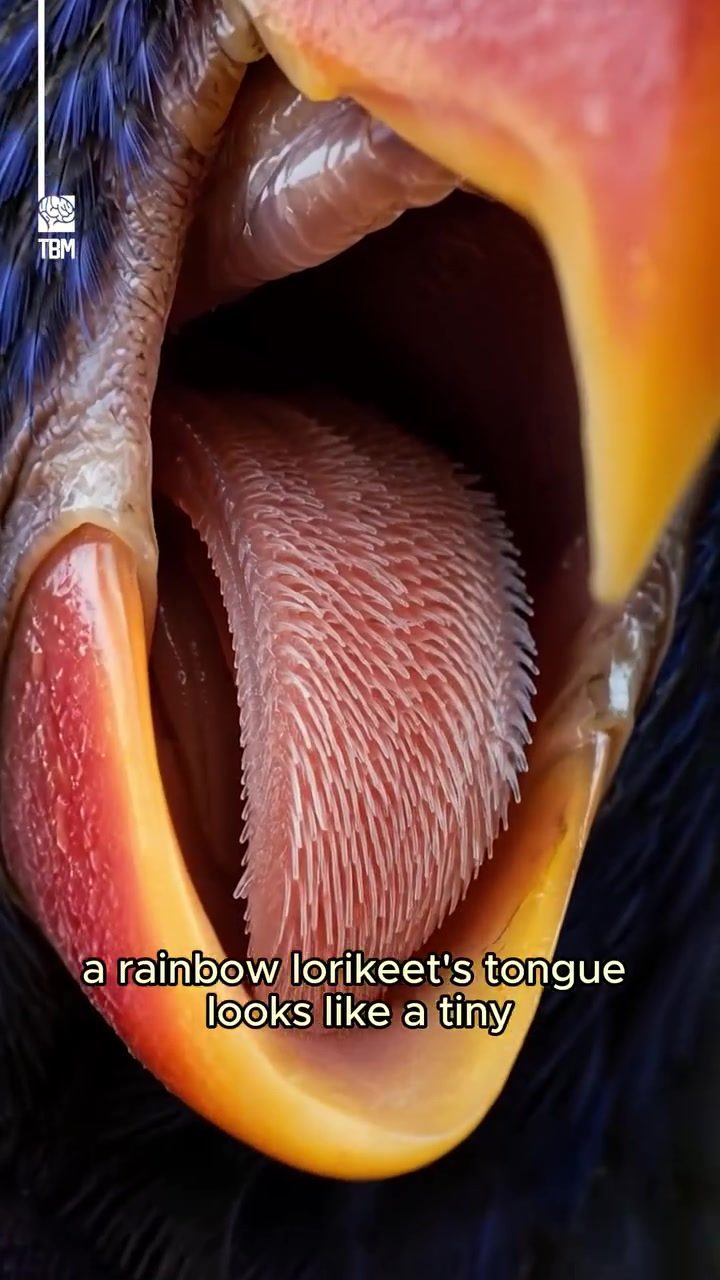
Rainbow Lorikeets and the Adapted Brush Tongue
Rainbow lorikeets have a unique tool built into their anatomy: a specialized brush-tipped tongue. This essential feature not only helps them survive, but also aids pollination. The tongue is covered in tiny hair-like papillae that enable the birds to efficiently collect nectar and pollen from flowers.
Lorikeets are not like most birds; they need a special way to extract nectar and pollen. They have a solution built right in their mouths. The tongue is covered with papillae, which are tiny structures that look like a miniature paintbrush. These papillae spread out as the tongue extends into a flower, soaking up the nectar like a brush would soak up paint. The tongue then folds back in, pulling the liquid nectar into the bird's mouth. This ingenious design allows the lorikeet to efficiently feed while also playing a crucial role in pollination. As the bird moves from flower to flower, it transfers pollen and helps to fertilize the plants.
Why the Adaptation Matters
The specialized tongue of the rainbow lorikeet serves a dual purpose: feeding and pollination. The bird's dependence on nectar and pollen as a primary food source has driven this unique adaptation. The tongue's brush-like tip allows the lorikeet to extract nectar efficiently, ensuring the bird gets the nutrition it needs to thrive. The hair-like papillae also help in transferring pollen between flowers, making the lorikeet an essential pollinator in its ecosystem.
The Mechanics of the Specialized Tongue
The rainbow lorikeet's tongue is a marvel of adaptation. The tip of the tongue is covered in hundreds of hair-like structures known as papillae. When the bird thrusts its tongue into a flower, these papillae spread out, creating a brush-like surface. This design is perfect for collecting nectar and pollen. The tongue's ability to fold back in, carrying the liquid into the bird's mouth, ensures that the lorikeet can feed efficiently while also aiding in pollination. The tongue's flexibility and the papillae's brush-like action make it an invaluable tool for both survival and ecological balance.
The Role in Pollination
The specialized tongue of the rainbow lorikeet also serves an essential role in pollination. As the bird feeds on nectar, it inadvertently transfers pollen from one flower to another. This process is vital for plant reproduction. The lorikeet's tongue helps in pollination by acting as a natural pollinator, ensuring the survival and propagation of plant species in its habitat. The brush-like tongue allows the lorikeet to collect and transfer pollen efficiently, making it an important player in the pollination process.
Practical Tips for Observing Rainbow Lorikeets
Observing rainbow lorikeets in their natural habitat can be a fascinating experience. Here are some practical tips to help you get the most out of your observation:
-
Choose the Right Location: Look for areas with flowering plants, especially those rich in nectar and pollen. Rainbow lorikeets are often found in gardens, parks, and forests with a variety of flowering species.
-
Be Quiet and Patient: Lorikeets can be skittish, so approach quietly and patiently. Sit still and wait for the birds to come to you.
-
Bring Binoculars: Binoculars can help you get a closer look at the lorikeets, especially their specialized tongues in action. They are a great tool for observing the birds' feeding habits and behavior.
-
Document Your Observations: Take notes or record your observations to better understand the lorikeets' behavior and the role of their specialized tongues.
-
Engage with Local Guides: If you're in an area with guided nature tours, consider joining one. Local guides can provide valuable insights and help you spot the lorikeets more easily.
Important Takeaways
The brush-tipped tongue of the rainbow lorikeet is a remarkable example of evolution at work. It demonstrates how specialized adaptations can both support a species' survival and contribute to its ecosystem. The tongue's unique design allows the lorikeet to efficiently extract nectar and pollen, providing the bird with essential nutrition. Simultaneously, it aids in the pollination of flowers, helping to maintain the ecological balance.
Understanding this adaptation highlights the intricate relationship between species and their environment. It shows how every part of an animal's anatomy can play a crucial role in its survival and the health of its ecosystem. Observing rainbow lorikeets and their specialized tongues can provide valuable insights into the natural world and the fascinating adaptations that drive species' survival.
Watch the Reel
Questions readers ask
How does a rainbow lorikeet's brush tongue work for nectar collection?
The rainbow lorikeet's brush tongue features tiny hair-like papillae that spread out when the tongue extends into a flower. These papillae soak up nectar and then fold back to draw the liquid into the bird's mouth, making the process efficient and effective.
What role do rainbow lorikeets play in pollination?
Rainbow lorikeets transfer pollen from flower to flower as they feed on nectar. Their brush tongues pick up pollen and transport it, facilitating plant reproduction and contributing to the health of the local ecosystem.
Why is the rainbow lorikeet's tongue considered a specialized adaptation?
The brush-tipped tongue with papillae is a specialized adaptation that helps rainbow lorikeets efficiently gather nectar from flowers. This adaptation is crucial for their survival, and it also enables them to play a significant role in pollination.
How do rainbow lorikeets differ from other nectar-feeding birds?
Unlike many other nectar-feeding birds, rainbow lorikeets have a unique brush-tipped tongue specifically designed for extracting nectar from flowers. This adaptation allows them to access nectar more efficiently and transfer pollen during feeding.
What happens during the pollination process by rainbow lorikeets?
During pollination, the lorikeet's brush tongue collects nectar and pollen from a flower. As the bird moves to another flower, it deposits some of the collected pollen, aiding in the fertilization of the plant, and thereby supporting the ecosystem.
What are papillae and why are they important for rainbow lorikeets?
Papillae are tiny, hair-like structures that cover the lorikeet's tongue. They are important because they act like a brush, soaking up nectar and transferring pollen between flowers, making the lorikeet an effective pollinator.
How does the rainbow lorikeet's tongue support its ecosystem?
The rainbow lorikeet's brush tongue facilitates pollination by transferring pollen between flowers. This process supports the reproduction and health of local plants, making the lorikeet an integral part of its ecosystem.
Related deep dives
Similar reads based on topic and creator.




Recent articles
Fresh deep dives from the latest Reels we unpacked.




Comments
Be the first to comment.