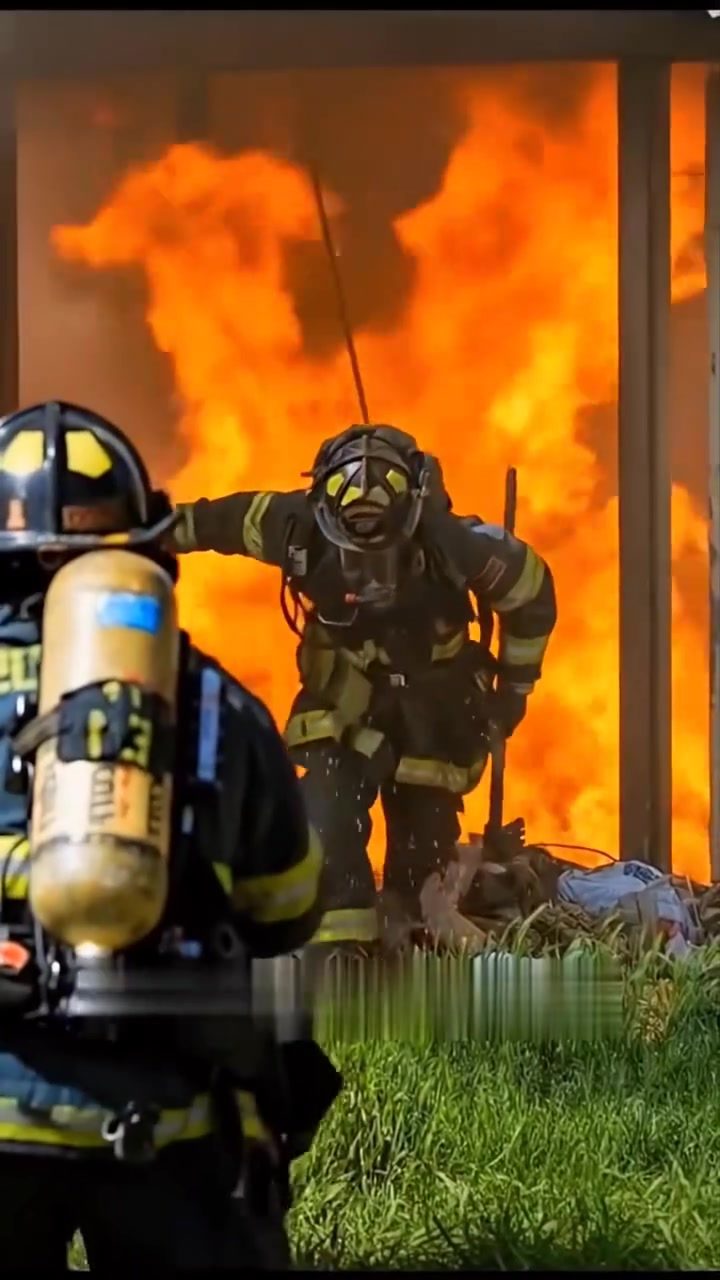
Why Firefighters Shake After Escaping a Fire
Firefighters are often seen shaking their bodies vigorously after escaping a burning building. This might seem like an odd behavior, but it serves a crucial purpose in their line of work. Understanding why they do this can offer insights into the tools and protocols that keep them safe in dangerous situations.
Context: The Risky World of Firefighting
Firefighting is a high-risk profession that requires extensive training and the use of specialized equipment. Firefighters confront intense heat, thick smoke, and unstable structures, making every second count. The need for reliable safety measures is paramount, and one such measure is the PASS device.
The Role of the PASS Device
The PASS (Personal Alert Safety System) device is a vital piece of equipment worn by every firefighter entering a burning building. This device is designed to monitor the firefighter's movement. If the device detects no movement for a certain period, it assumes the firefighter has been knocked unconscious, trapped, or overcome by smoke. In such cases, the device immediately blasts a piercing alarm. This loud, persistent sound signals the rescue team to launch a firefighter rescue operation without delay.
Preventing False Alarms
After a firefighter successfully escapes a burning building, they are often exhausted and might instinctively want to collapse and rest. However, doing so could trigger the PASS device's alarm, leading to an unnecessary and potentially dangerous rescue operation. To avoid this, firefighters shake their bodies or move their shoulders vigorously. These movements are sufficient to keep the PASS device from sounding an alarm, ensuring that rescue resources are not diverted unnecessarily.
Practical Tips for Understanding Firefighter Safety
Firefighting is a complex and dangerous profession, but understanding the tools and protocols can provide a deeper appreciation for the risks and challenges firefighters face. Here are some practical tips to consider:
-
Recognize the Importance of Safety Devices: The PASS device is a critical safety measure. Knowing how it works can help you understand the urgency and importance of firefighter safety protocols.
-
Understand the Urgency of Firefighting: Firefighters are often in life-threatening situations. Their actions, such as shaking their bodies, are not just about exhaustion but also about ensuring that their safety devices function correctly and that false alarms do not divert crucial resources.
-
Appreciate the Complexity of Firefighting: Firefighting involves more than just extinguishing fires. It's about managing equipment, following protocols, and ensuring the safety of both the firefighters and the public.
Important Takeaways
The shaking movements of firefighters after escaping a fire are not random but a crucial part of their safety protocols. This behavior is designed to prevent the PASS device from sounding a false alarm, ensuring that rescue resources are used efficiently. Understanding this can offer a deeper appreciation for the complexities and risks of firefighting.
1. Firefighters Shake to Prevent False Alarms
After escaping a fire, firefighters shake their bodies to prevent the PASS device from sounding a false alarm. This ensures that rescue resources are not diverted unnecessarily, allowing the team to focus on actual emergencies.
2. The PASS Device is a Critical Safety Measure
The PASS device is designed to monitor a firefighter's movements. If the device detects no movement, it immediately triggers a loud alarm, signaling the need for a rescue operation. This device is essential for the quick and efficient response to emergencies.
3. Firefighting is More Than Just Extinguishing Fires
Firefighting involves complex protocols, specialized equipment, and a deep understanding of safety measures. Every action, including shaking after escaping a fire, has a purpose and ensures the safety of both the firefighters and the public.
Conclusion
Understanding why firefighters shake after escaping a fire provides valuable insights into the tools and protocols that keep them safe. The PASS device, with its ability to monitor movements and trigger alarms, is a critical component of firefighting safety. By shaking their bodies, firefighters ensure that false alarms do not divert necessary resources, allowing the team to respond quickly and efficiently to genuine emergencies. This simple yet effective practice highlights the importance of safety measures in a dangerous and unpredictable profession.
Watch the Reel
Questions readers ask
Why do firefighters shake after exiting a burning building?
Firefighters shake vigorously after exiting a burning building to activate the motion sensor in their PASS (Personal Alert Safety System) device. This action is a crucial safety measure to prevent false alarms, which can conserve rescue resources and ensure the safety of the entire team.
What is a PASS device and how does it work?
A PASS device, or Personal Alert Safety System, is a safety tool worn by firefighters to monitor their movement. If a firefighter becomes immobile, the device activates an alarm to alert the team. The vigorous shaking helps to reset the device after they have exited a dangerous situation.
Is shaking the only way to reset a PASS device?
Shaking is a common method to reset a PASS device, but it is not the only way. Some devices can be reset manually or by speaking into a microphone attached to the device. The method used often depends on the specific type of PASS device and the protocols of the fire department.
Why is it important to prevent false alarms in firefighting?
Preventing false alarms is essential in firefighting because it helps to conserve limited rescue resources. False alarms can divert attention and manpower away from genuine emergencies, potentially putting more lives at risk. By minimizing false alarms, firefighters can ensure that their resources are used efficiently and effectively.
Is the shaking behavior unique to firefighters?
The behavior of shaking to reset a PASS device is specific to firefighters and other emergency responders who use similar safety devices. It is a standardized procedure within the industry to ensure that the device functions correctly and that the safety of the individual and the team is maintained.
Recent articles
Fresh deep dives from the latest Reels we unpacked.




Comments
Be the first to comment.