mRNA Flu Shot Controversy
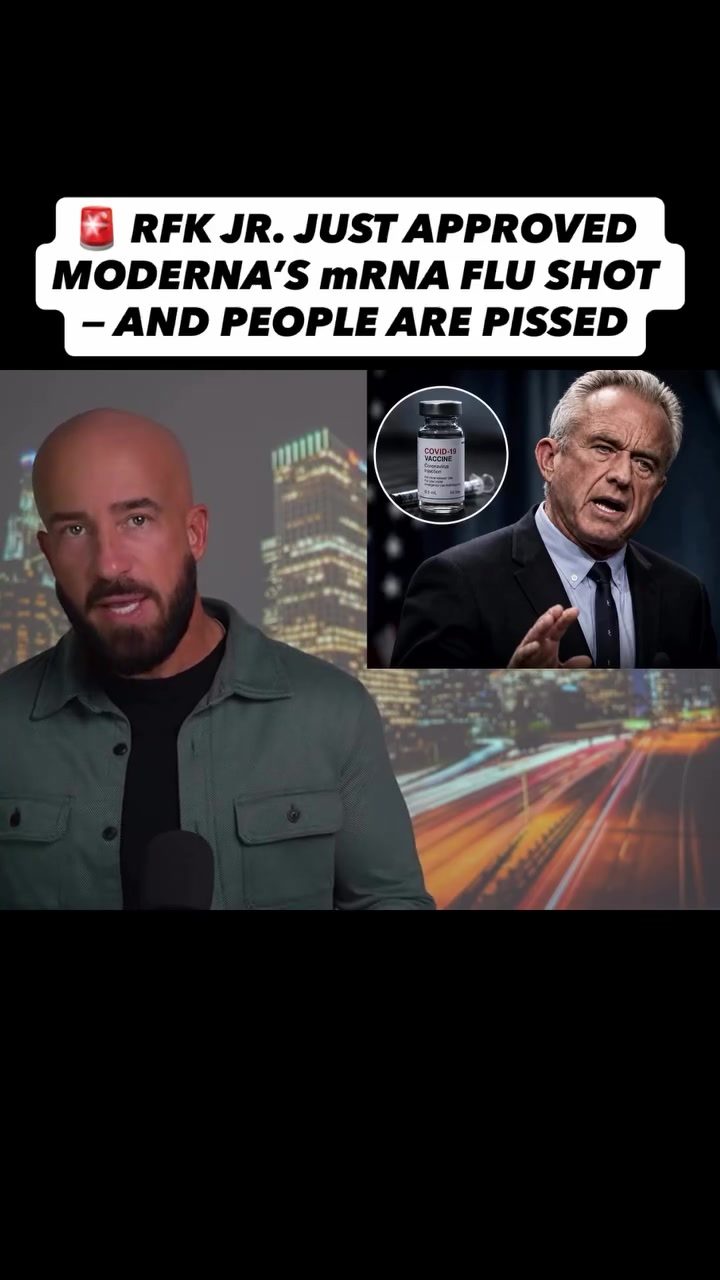
The recent approval of the first mRNA flu vaccine by the FDA has sparked significant public debate. The vaccine, produced by Moderna, has been approved under the oversight of Robert F. Kennedy Jr. This decision has brought to light a variety of concerns and questions, particularly about the role of influencers and the pharmaceutical industry in vaccine development and the public's trust in healthcare decisions.
Why This Matters
The approval of an mRNA flu vaccine marks a significant milestone in vaccine technology. mRNA vaccines have been in the spotlight since the COVID-19 pandemic, where they proved to be highly effective. The transition of this technology to flu vaccines could revolutionize how we prevent influenza. This shift is not just about technological advancement; it's also about public perception and trust in healthcare systems.
Main Discussion
The Approval and Public Reaction
The FDA's approval of Moderna's mRNA flu vaccine has ignited a storm of reactions, particularly because of Robert F. Kennedy Jr.'s involvement. Known for his previous criticisms of mRNA technology, his sudden support for the vaccine has left many people scratching their heads.
People have been digging up old clips of Kennedy criticizing mRNA vaccines, questioning what changed his stance. This has led to a broader discussion about the influence of key figures in shaping public opinion on healthcare issues. The public's reaction has been brutal, with many feeling betrayed by Kennedy's shift.
The Role of Bill Gates and Big Pharma
The conversation around the mRNA flu vaccine has also brought Bill Gates into the spotlight. Gates recently discussed vaccine innovation and gene editing with the administration, which has been linked to the approval of the mRNA flu vaccine. Some people are connecting this to Kennedy's push for wearable health technology, suggesting that there might be broader agendas at play.
The discussion around Bill Gates and Big Pharma has highlighted the public's skepticism about the pharmaceutical industry. There are concerns that the deep pockets and influence of Big Pharma could be driving these decisions, potentially overshadowing public health interests.
Wearable Technology and Public Health
One of the more surprising elements of this controversy is Kennedy's push for wearable health technology. His vision of every American wearing a wearable within four years has raised questions about privacy, the role of technology in healthcare, and the potential for misinformation.
Wearable technology has been touted as a key to transforming public health. Proponents argue that it can provide real-time health data, allowing for more personalized and effective healthcare interventions. However, critics worry about data security and the potential for surveillance issues.
The Health Agenda
The controversy around the mRNA flu vaccine has also brought attention to the broader health agenda in the United States. There is a significant focus on curing and eradicating diseases through innovation in areas like vaccines and gene editing.
Diseases like polio, HIV, and sickle cell anemia are at the forefront of this discussion. The U.S. has been at the forefront of medical advancements, and there is a sense that the current administration is pushing for more innovation. However, the public's trust in these efforts is uncertain, given the current controversy.
Practical Tips
Staying Informed
To navigate through the noise and misinformation, it's crucial to stay informed. Rely on reputable sources such as the FDA, CDC, and official press releases from healthcare organizations. Avoid falling for sensational headlines and consider diverse viewpoints.
Engaging in Discussions
Engage in discussions about mRNA vaccines and healthcare decisions. Share your concerns and questions with healthcare providers, and stay updated on the latest research and developments. This can help you form a well-rounded perspective and potentially influence positive change.
Understanding Technological Advancements
Take the time to understand what mRNA technology is and how it works. This can help you make informed decisions about vaccines and other healthcare technologies. There are numerous resources available from trusted organizations.
Advocating for Transparency
Advocate for transparency in healthcare decisions. This can include pushing for more public disclosure of research, clinical trials, and discussions between key stakeholders. Transparency can help build trust and ensure that public health remains a priority.
Important Takeaways
This controversy highlights the importance of transparency, trust, and informed public discourse in healthcare decisions. The approval of the mRNA flu vaccine is a significant step forward in vaccine technology, but it's essential to address public concerns and ensure that healthcare decisions are made in the best interests of the people.
Conclusion
The mRNA flu vaccine controversy is a multifaceted issue that touches on public trust, technological innovation, and the role of key figures in healthcare. As we move forward, it's essential to stay informed, engage in discussions, and advocate for transparency. This will help ensure that healthcare decisions are made with the public's best interests in mind.
Watch the Reel
Questions readers ask
Why has the public reacted so strongly to the approval of Moderna’s mRNA flu vaccine?
The public reaction is largely due to the controversy surrounding Robert F. Kennedy Jr.'s support for the vaccine. Given his past critiques of mRNA technology, his endorsement has raised eyebrows and sparked debates about the reliability of mRNA vaccines and the influence of public figures on healthcare decisions.
What role did Robert F. Kennedy Jr. play in the approval of Moderna’s mRNA flu vaccine?
Robert F. Kennedy Jr. played a significant role in the public perception of the approval, although he was not directly involved in the approval process. His endorsement, despite his past criticisms, has added a layer of complexity to the public's understanding and acceptance of the new mRNA flu vaccine.
How does the public's trust in vaccines impact the approval of new vaccine technologies?
Public trust in vaccines is crucial for the widespread acceptance and success of new vaccine technologies. The controversy surrounding the mRNA flu vaccine highlights the importance of transparent communication and consistent messaging from healthcare authorities and influencers to maintain public confidence.
What is the significance of the FDA's approval of an mRNA flu vaccine?
The FDA's approval of the first mRNA flu vaccine is a major step in vaccine development. It demonstrates the potential of mRNA technology to combat influenza and paves the way for future innovations in vaccine technology. This approval could lead to more effective and rapidly deployable vaccines against a variety of infectious diseases.
How might the influence of pharmaceutical industries affect public perception of new vaccines?
The influence of pharmaceutical industries can sometimes raise concerns about potential conflicts of interest and profit motives in vaccine development. Transparency in the regulatory process and clear communication about the benefits and risks of new vaccines, such as the mRNA flu shot, can help mitigate these concerns and foster greater public trust.
Why are some people skeptical of mRNA technology in vaccines?
Skepticism surrounding mRNA technology stems from a variety of factors, including its relatively new status and the rapid development of mRNA vaccines during the COVID-19 pandemic. Additionally, public figures and influencers have contributed to the debate, making it a topic of heated discussion and scrutiny.
What impact do public figures like Robert F. Kennedy Jr. have on public health discussions?
Public figures can significantly influence public health discussions, either by providing credible information or by spreading misinformation. Their endorsements or critiques can shape public opinion, making it essential for them to be transparent and accurate in their statements to avoid confusion and maintain public trust in healthcare decisions.
Recent articles
Fresh deep dives from the latest Reels we unpacked.




Comments
Be the first to comment.