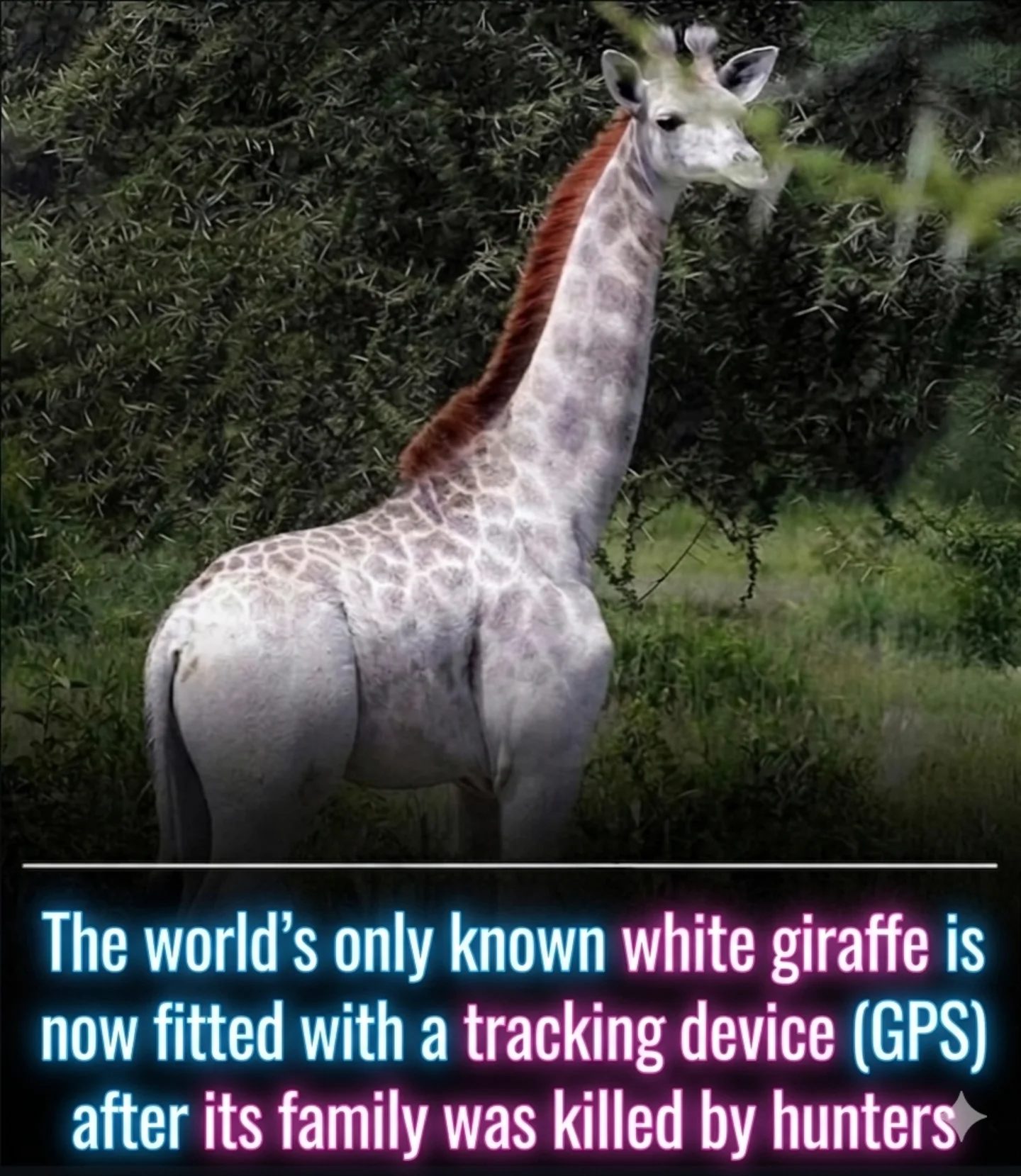
The world's only known white giraffe, located in Kenya, has become a symbol of hope and resilience in the face of poaching threats. This rare male giraffe stands out due to a genetic condition called leucism, which results in a partial loss of pigmentation while maintaining dark eyes, distinguishing it from albinism. The unique giraffe gained significant attention following the tragic poaching of his family members in early 2020, sparking a critical conservation effort to protect him.
Context / Why this matters
The poaching of the white giraffe's family highlighted the urgent need for enhanced protection measures in the Ishaqbini Hirola Community Conservancy. Conservationists took proactive steps to ensure the safety of this rare animal. The installation of a GPS tracking device on one of his horns allows rangers to monitor his movements in real-time. This technology provides an essential layer of protection, helping to deter further poaching threats and safeguard the giraffe's survival.
Main discussion
The Unique White Giraffe
The white giraffe's genetic condition, leucism, is rare and distinct from albinism. Unlike albino animals, which have a complete loss of pigmentation and often pink or red eyes, leucistic animals like this giraffe maintain some pigmentation, particularly in their eyes. This condition makes the giraffe a striking and easily recognizable figure in the wilderness, but it also makes him a target for poachers.
The Tragedy of Poaching
The poaching of the white giraffe's family was a devastating blow to the conservation community. It underscored the ongoing threat that poaching poses to wildlife, even in protected areas. The loss of his family members made the need for additional protection measures for the white giraffe more urgent. Conservationists knew they had to act quickly to ensure his safety and the continued survival of this unique species.
Conservation Efforts in Ishaqbini Hirola
The Ishaqbini Hirola Community Conservancy has been at the forefront of conservation efforts in Kenya. This community-led initiative focuses on protecting endangered species and promoting sustainable wildlife management. The conservancy's work is crucial in a region where poaching remains a significant threat. By attaching a GPS tracking device to the white giraffe, the conservancy aims to enhance monitoring and protection efforts, ensuring that the giraffe can thrive in his natural habitat.
The Role of GPS Tracking
GPS tracking technology has become an invaluable tool in wildlife conservation. For the white giraffe, the device attached to his horn allows rangers to monitor his movements in real-time. This capability is essential for several reasons. First, it helps rangers respond quickly to any potential poaching threats, providing a layer of protection that was not previously available. Secondly, it allows conservationists to gather valuable data on the giraffe's behavior and habitat use, which can inform future conservation strategies. The data collected can help identify critical areas for protection and understand the giraffe's interactions with its environment, benefiting not only the giraffe but the entire ecosystem.
Community Involvement
The success of conservation efforts in the Ishaqbini Hirola Community Conservancy relies heavily on community involvement. Local communities play a crucial role in protecting wildlife and preventing poaching. By engaging with the community, conservationists can raise awareness about the importance of protecting endangered species and promote sustainable practices. The community's participation is vital in ensuring the long-term success of conservation efforts and the survival of the white giraffe.
Practical tips
Poaching is a complex issue that requires a multifaceted approach to combat effectively. Here are some practical tips for those interested in contributing to wildlife conservation efforts:
Support Community-Led Initiatives
One of the most effective ways to support wildlife conservation is by backing community-led initiatives. These initiatives often have a deep understanding of the local context and are well-positioned to address poaching and other threats. Donating to or volunteering with organizations like the Ishaqbini Hirola Community Conservancy can make a significant difference in protecting endangered species.
Raise Awareness
Raising awareness about the threats facing wildlife and the importance of conservation is crucial. Sharing information on social media, writing articles, and participating in community events can help spread the message and garner support for conservation efforts. The more people are aware of the issues, the greater the collective effort to protect endangered species.
Advocate for Stronger Laws
Advocating for stronger laws and regulations against poaching is essential. Governments play a critical role in enforcing laws that protect wildlife. By lobbying for stricter penalties and better enforcement, individuals can help deter poaching activities and protect endangered species like the white giraffe.
Contribute to Research
Research plays a vital role in wildlife conservation. Contributing to research efforts, whether through funding or participation, can provide valuable insights into the behaviors and needs of endangered species. This information is crucial for developing effective conservation strategies and ensuring the survival of rare animals.
Promote Sustainable Practices
Promoting sustainable practices in industries that interact with wildlife is another important step. Encouraging sustainable tourism, agriculture, and resource management can help reduce the pressure on wildlife and their habitats. By supporting sustainable practices, individuals can contribute to the long-term health of ecosystems and the species that depend on them.
Important takeaways
The conservation efforts surrounding the world's only known white giraffe in Kenya highlight several key takeaways about wildlife conservation:
The Importance of Proactive Measures
Proactive measures, such as GPS tracking, are crucial for protecting endangered species. By monitoring the movements of rare animals, conservationists can respond quickly to potential threats and gather valuable data to inform future strategies.
Community Involvement is Essential
Community involvement is vital for the success of conservation efforts. Engaging with local communities can raise awareness, promote sustainable practices, and ensure the long-term protection of wildlife.
Technology Plays a Critical Role
Technology, such as GPS tracking, has become an invaluable tool in wildlife conservation. It allows for real-time monitoring, data collection, and rapid response to threats, enhancing the effectiveness of conservation efforts.
Poaching Remains a Significant Threat
Poaching continues to be a major threat to wildlife, even in protected areas. The tragic poaching of the white giraffe's family underscores the need for strengthened laws, enforcement, and community involvement to combat this issue effectively.
Conclusion
The world's only known white giraffe in Kenya serves as a poignant reminder of the ongoing threats to wildlife and the critical importance of conservation efforts. Through proactive measures, community involvement, and the use of advanced technology, conservationists are working tirelessly to protect this rare animal and ensure his survival. By supporting these efforts, individuals can contribute to the preservation of endangered species and the health of ecosystems for future generations.
Watch the Reel
Questions readers ask
Why is the white giraffe in Kenya so significant?
The white giraffe in Kenya is significant because it is the only known giraffe of its kind, standing out due to a genetic condition called leucism. This condition results in a partial loss of pigmentation, making it distinct from albinism. The giraffe's rare appearance has made it a target for poachers and a symbol of resilience against poaching threats.
What is leucism, and how does it affect the white giraffe?
Leucism is a genetic condition that causes a partial loss of pigmentation in animals. Unlike albinism, leucism does not affect the eyes. In the white giraffe, leucism results in a striking white coat while the eyes remain dark, making the giraffe highly visible and thus, vulnerable to poachers.
How does GPS tracking help in protecting the white giraffe?
GPS tracking allows rangers to monitor the white giraffe's movements in real-time. By keeping track of his location, rangers can quickly respond to any potential threats, such as poachers, and ensure his safety. This technology is crucial in preventing poaching and protecting endangered species.
What measures have been taken to protect the white giraffe after the poaching of his family?
After the tragic poaching of the white giraffe's family, conservationists installed a GPS tracking device on the giraffe's horn. This enables rangers to monitor his movements and respond to any potential dangers. These measures are part of a broader conservation effort to protect this rare and endangered giraffe.
What is the role of conservation rangers in protecting the white giraffe?
Conservation rangers play a vital role in protecting the white giraffe. They use the GPS tracking data to patrol the giraffe's location, deter poachers, and ensure his safety. Rangers also contribute to gathering data on the giraffe's behavior and movements, which aids in further conservation efforts.
Why is the Ishaqbini Hirola Community Conservancy important for the white giraffe's safety?
The Ishaqbini Hirola Community Conservancy is important for the white giraffe's safety because it provides a protected habitat for him and other endangered species. The conservancy has implemented stricter anti-poaching measures and has put in place GPS tracking to monitor the giraffe’s movements, ensuring his safety in the face of poaching threats.
What are the main threats to the white giraffe's survival?
The main threats to the white giraffe's survival include poaching and the loss of habitat. His unique appearance makes him an attractive target for poachers, while habitat destruction can limit his access to food and water. Additionally, the loss of his family members has left him more vulnerable to these threats.
Related deep dives
Similar reads based on topic and creator.




Recent articles
Fresh deep dives from the latest Reels we unpacked.




Comments
Be the first to comment.