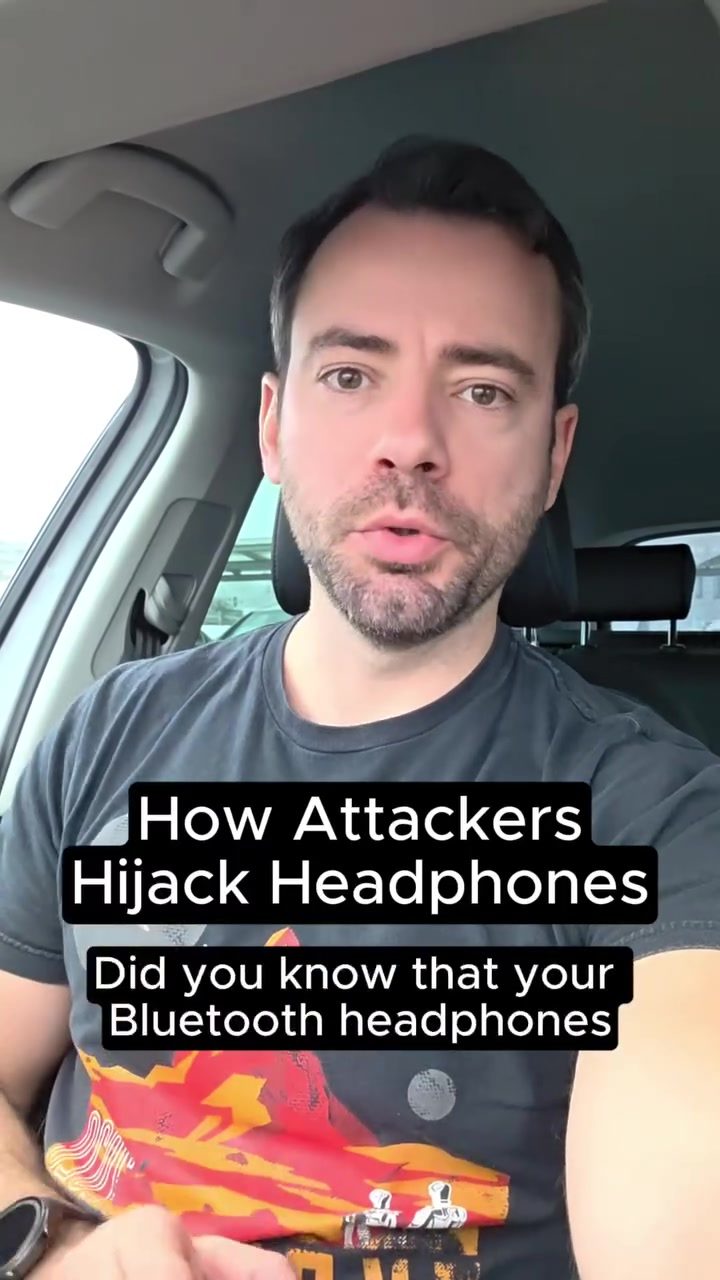
Bluetooth Headphone Security: The WhisperPair Vulnerability
Bluetooth headphones are a staple in our daily lives, offering convenience and hands-free communication. However, recent discoveries have shed light on a significant security vulnerability that could put users at risk. This vulnerability, known as WhisperPair, allows threat actors to force-connect to some Bluetooth headphones without the user's permission, even if the headphones are not in pairing mode. This exposes users to potential eavesdropping and location tracking, making it crucial to understand the implications and take necessary precautions.
Why This Matters
The security of Bluetooth headphones has long been a concern, but the WhisperPair vulnerability highlights a new level of risk. Unlike traditional pairing methods, which require manual intervention, WhisperPair exploits a flaw in Google's FastPair protocol. This means that attackers can connect to your headphones without your knowledge, using devices like laptops or Raspberry Pis. The potential consequences include unauthorized access to your audio, eavesdropping, and even location tracking if services like Google's Find My Device are enabled. Given the pervasive use of Bluetooth headphones, especially in public spaces, this vulnerability poses a real threat to personal privacy and security.
Understanding WhisperPair
What is WhisperPair?
WhisperPair is a vulnerability in Google's FastPair protocol, which is designed to streamline the pairing process between Bluetooth devices and smartphones. Normally, headphones should only pair when manually put into pairing mode. However, with WhisperPair, many devices skip the safety check, allowing attackers to force a connection without the user's consent. This vulnerability was discovered by researchers who found that attackers could set a legitimate FastPair packet and force a connection to a headset that is not in pairing mode.
How Does It Work?
The attack leverages the FastPair protocol to bypass the usual safety checks. Here’s a step-by-step breakdown of how it works:
- Initial Connection: An attacker using a device like a laptop or a Raspberry Pi sets a legitimate FastPair packet. This packet is designed to mimic the behavior of a trusted device.
- Bypassing Safety Checks: The FastPair protocol is designed to recognize and pair with trusted devices automatically. WhisperPair exploits this by skipping the manual pairing mode, allowing the attacker to connect to the headphones without the user's knowledge.
- Unauthorized Access: Once connected, the attacker can control the audio, eavesdrop on conversations, and potentially track the user's location if location services are enabled on the connected device.
Affected Devices
The list of affected devices is extensive, including popular brands like Sony, JBL, Marshall, OnePlus, Pixel Buds, and more. This widespread impact underscores the importance of addressing the vulnerability promptly. Researchers have created a tool to help users check if their headset is vulnerable. This tool allows users to search and confirm whether their specific model is affected, making it easier to take preventive measures.
Practical Tips to Protect Your Headphones
Given the potential risks, it is essential to take proactive steps to protect your Bluetooth headphones. Here are some practical tips to enhance your security:
-
Update Firmware Regularly: Ensure that your headphones have the latest firmware updates. Many manufacturers have started rolling out patches to address the WhisperPair vulnerability. Keeping your firmware up to date is one of the most effective ways to mitigate the risk.
-
Use Trusted Devices: Be cautious about connecting your headphones to unknown or untrusted devices. Sticking to trusted devices and networks can significantly reduce the risk of unauthorized access.
-
Disable Unnecessary Services: If your headphones support location services or other tracking features, consider disabling them when not in use. This can help prevent location tracking even if your headphones are compromised.
-
Monitor for Unauthorized Connections: Pay attention to any unusual behavior or notifications from your headphones. If you suspect unauthorized access, disconnect your headphones from any paired devices and perform a factory reset.
-
Use Additional Security Measures: Consider using additional security measures such as Bluetooth locks or encryption to add an extra layer of protection to your headphones.
Important Takeaways
- WhisperPair Vulnerability: The WhisperPair vulnerability in Google's FastPair protocol allows attackers to force-connect to Bluetooth headphones without the user's permission.
- Affected Devices: Popular brands like Sony, JBL, and OnePlus are among the affected devices. Users should check if their headphones are vulnerable and update their firmware accordingly.
- Preventive Measures: Regular firmware updates, using trusted devices, and disabling unnecessary services can help protect against unauthorized access.
Conclusion
The WhisperPair vulnerability highlights the need for heightened awareness and proactive measures when it comes to Bluetooth headphone security. By understanding how this vulnerability works and taking the necessary steps to protect your devices, you can mitigate the risks and ensure a safer user experience. Stay informed, update your firmware, and always be cautious about the devices you connect to your headphones. Your privacy and security are worth the extra effort.
Watch the Reel
Questions readers ask
What exactly is the WhisperPair vulnerability?
The WhisperPair vulnerability is a security flaw affecting certain Bluetooth headphones. It allows unauthorized devices to connect to your headphones, even when they are not in pairing mode, potentially exposing users to eavesdropping and location tracking.
Which brands of headphones are affected by the WhisperPair vulnerability?
While the article does not list all affected brands, it mentions that some Sony and JBL headphones have been compromised. Users of these and other brands should check for updates and be vigilant about their headphone security.
How can I tell if my headphones have been compromised by WhisperPair?
It can be difficult to detect if your headphones have been compromised. However, if you notice unusual behavior, such as unexpected disconnections or strange noises, it might indicate a security issue. Regularly checking your connected devices and keeping your headphones updated can help prevent unauthorized access.
What steps can I take to protect my Bluetooth headphones from the WhisperPair vulnerability?
To protect your Bluetooth headphones, ensure that your devices are updated with the latest firmware. Additionally, avoid leaving your headphones in discoverable mode when not in use, and be cautious about connecting to unknown devices.
How does the WhisperPair vulnerability enable location tracking?
The WhisperPair vulnerability allows unauthorized devices to connect to your headphones, which can then be used to track your location. This is because the connected device can determine your whereabouts based on the Bluetooth signal from your headphones.
Related deep dives
Similar reads based on topic and creator.




Recent articles
Fresh deep dives from the latest Reels we unpacked.




Comments
Be the first to comment.