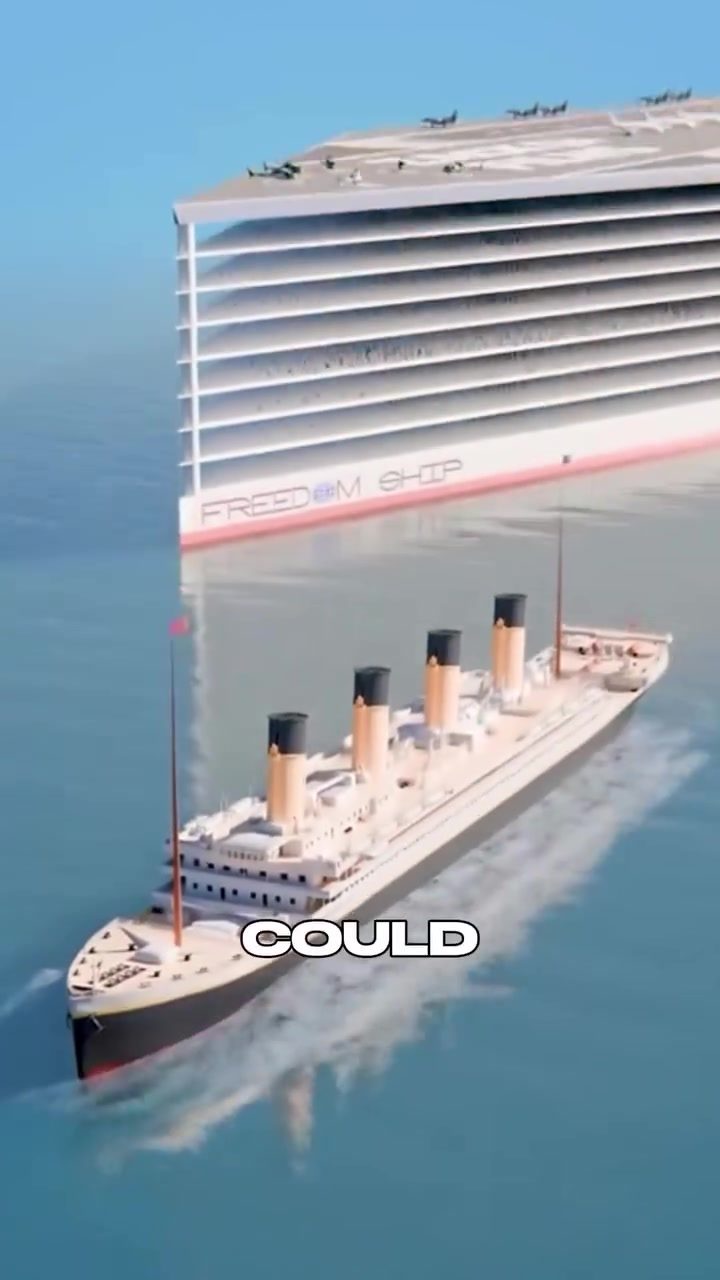
The Freedom Ship, a mile-long floating city, is being revived as a proposed haven for radical autonomy in international waters. The concept, initially conceived in the 1990s, offers a vision of life beyond traditional government regulation. The project promises a radical shift in how people live, free from taxes, laws, and typical constraints. However, the ambitious plans raise significant questions, particularly around the $16 billion price tag and the lack of regulatory oversight.
Context / Why This Matters
The Freedom Ship epitomizes a growing trend in maritime innovation and seasteading, the practice of creating permanent communities on the open sea. The project aims to create a self-sustaining city with a population of over 80,000, significantly larger than the current largest cruise ship, which can only accommodate 7,600 passengers. The idea of a floating city is not new, but the scale and ambition of the Freedom Ship are unprecedented.
This project taps into a deep-seated desire for freedom from government intervention, appealing to those who value autonomy and personal liberty. However, the absence of legal frameworks, governance, and regulatory bodies raises serious concerns. The potential for unchecked activity, especially by entities like medical research firms, poses significant risks.
Main Discussion
The Vision of Freedom
The Freedom Ship is planned to be a mile-long and 800 feet wide, housing a wide range of amenities. This includes multiple hotels, a 15,000-seat sports stadium, water parks, helipads, a symphony hall, an aquarium, and numerous restaurants. It would be a self-sustaining city, potentially powered by nuclear energy, to accommodate the vast energy needs of its inhabitants. This ambitious design aims to provide a comprehensive urban experience on a floating platform.
The Economic Impact
The estimated cost to build the Freedom Ship is a staggering $16 billion. This astronomical figure is a significant hurdle for the project. Funding such a venture would likely require substantial investment from private investors, governments, or international organizations. The economic implications of such a large-scale project are far-reaching, potentially reshaping global economic and trade dynamics. However, securing the necessary funds remains a critical challenge.
The Legal and Regulatory Concerns
The idea of a lawless floating city might initially sound appealing. However, the absence of regulatory oversight poses serious risks. Without a legal framework, it is challenging to ensure safety, public health, and ethical standards. For instance, medical research firms have already shown interest in the project, raising concerns about unethical experiments and practices. The lack of accountability could lead to unforeseen and potentially catastrophic consequences.
Comparison with Similar Projects
The Freedom Ship is not the first attempt at creating a floating city. The Seasteading Institute, for example, has long advocated for the development of ocean-based communities. However, these projects have typically been smaller in scale and have encountered significant challenges, including legal and regulatory hurdles. The Freedom Ship's ambitious size and scope set it apart, but it also faces unprecedented challenges.
Practical Tips
Understanding the Risks
For anyone considering involvement in the Freedom Ship project, it is crucial to weigh the risks and benefits. The allure of radical autonomy and freedom from government regulation must be balanced against the potential dangers of living in a lawless environment. Potential residents should carefully consider the lack of legal protections and the potential health and safety risks.
Seeking Information
For those interested in the project, seeking information directly from the developers, attending public forums, and following updates from credible sources is essential. Staying informed about the project's progress, funding, and regulatory developments can help in making informed decisions.
Legal and Financial Considerations
Anyone involved in the project should consider the legal and financial implications. This could involve consulting with legal experts to understand the ramifications of living in a jurisdiction-free zone and financial advisors to assess the project's economic viability and potential returns.
Important Takeaways
The Freedom Ship project represents an ambitious and groundbreaking vision for life beyond traditional governance. However, it also raises significant concerns around cost, safety, and ethical standards. The project's success will depend on overcoming substantial financial, legal, and regulatory challenges. Potential participants should carefully evaluate the risks and benefits, and stay informed about the project's developments.
Conclusion
The Freedom Ship is a bold and innovative concept that challenges traditional notions of governance and autonomy. While it offers a vision of radical freedom, it also presents significant risks and challenges. The project's success will hinge on navigating complex financial, legal, and regulatory landscapes. For those considering involvement, a thorough evaluation of the potential benefits and drawbacks is essential. The Freedom Ship could reshape the future of living and governance, but it remains to be seen if it can overcome the formidable obstacles it faces.
Watch the Reel
Questions readers ask
What are the primary goals of the Freedom Ship project?
The Freedom Ship aims to create a mile-long floating city in international waters, offering residents a life free from traditional government regulations, taxes, and laws. The project envisions a self-sustaining community with a population of over 80,000 people, promoting radical autonomy and liberty.
How does the Freedom Ship plan to achieve self-sufficiency?
The Freedom Ship intends to be self-sufficient through various means, such as renewable energy sources, advanced waste management systems, and on-site food production. The design includes features like green spaces, residential areas, and commercial districts to support a sustainable lifestyle.
What are the main concerns surrounding the Freedom Ship's feasibility?
The primary concerns include the project's ambitious scale and the $16 billion price tag. Critics question whether such a large and complex structure can withstand ocean conditions, and how the ship will handle waste management and resource scarcity. Additionally, the lack of regulatory oversight raises questions about safety and potential environmental impacts.
How does the Freedom Ship compare to other seasteading projects?
The Freedom Ship stands out due to its unprecedented size and scale, with a proposed population of over 80,000 compared to other, smaller seasteading projects. It also differs in its focus on radical autonomy and minimal regulation, setting it apart from other maritime living concepts.
What are the potential risks associated with unrestrained activity on the Freedom Ship?
The lack of regulatory oversight on the Freedom Ship raises concerns about potential risks, such as environmental degradation, safety hazards, and the possibility of becoming a haven for illicit activities. Without clear governance and enforcement, ensuring the well-being of residents and the surrounding marine environment could be challenging.
What are the potential benefits of living on the Freedom Ship?
Residents of the Freedom Ship could enjoy a unique lifestyle with reduced government intervention, no taxes, and the freedom to govern themselves. The project promises a thriving community with ample amenities, including recreational facilities, commercial districts, and a focus on sustainability.
How does the Freedom Ship aim to address the $16 billion price tag?
The project plans to attract investors and private funding to cover the substantial cost. The Freedom Ship also intends to generate revenue through residential sales, commercial leases, and services offered on the ship. However, securing sufficient funding remains a significant challenge for the project's viability.
Related deep dives
Similar reads based on topic and creator.




Recent articles
Fresh deep dives from the latest Reels we unpacked.




Comments
Be the first to comment.