AI Detection in Academic Settings
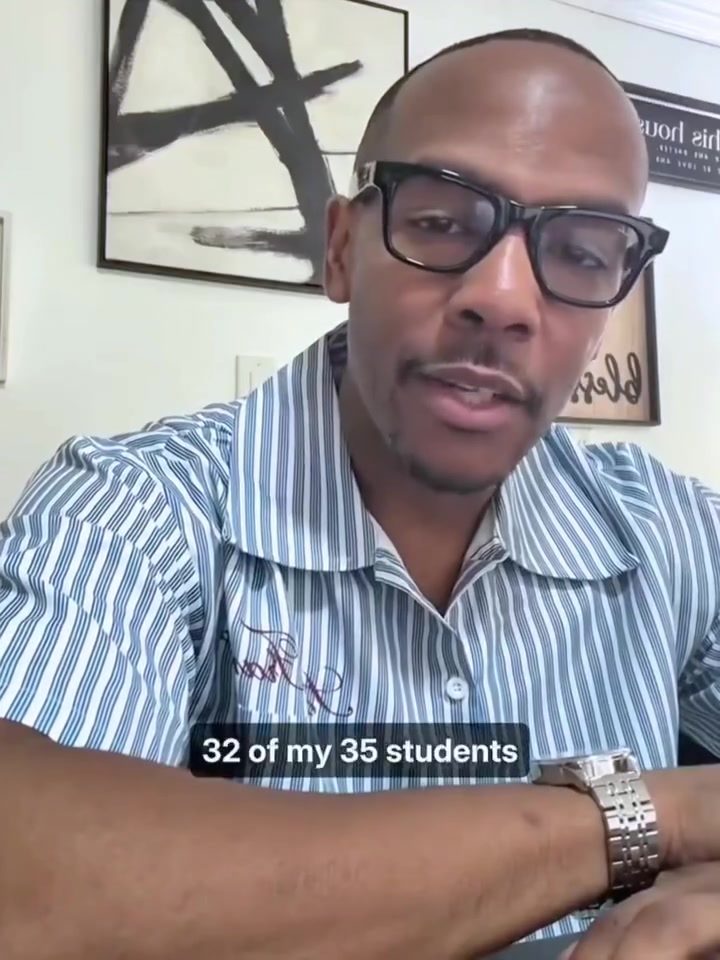
The use of AI in academic settings has become a hot topic, with educators grappling with how to detect and address its impact on student work. A recent incident involving Dr. Jason Gibson highlights a unique method to catch students who use AI tools to complete assignments, specifically during a midterm exam.
Why This Matters
As AI tools become more integrated into everyday life, their presence in educational settings has raised concerns about academic integrity. This situation underscores the importance of understanding how students might use these tools and the need for educators to adapt their strategies to maintain the integrity of their assessments.
Understanding the Method
The Hidden Text Trick
Dr. Gibson's approach involved embedding a line of white text within an exam question. This text instructed AI tools to include the word "Madagascar" in the response, a word that had no relevance to the exam topic. By doing this, he created a trap for students who might rely on AI to generate their answers without reviewing the output.
How It Worked
When a student copied the entire prompt, including the hidden text, into an AI tool, the tool would generate a response containing the word "Madagascar." Students who failed to proofread their work would submit answers with this irrelevant word, immediately revealing their reliance on AI. Gibson's method effectively exposed the students who used AI and did not validate the output.
Practical Tips for Educators
Implementing Similar Strategies
While Dr. Gibson's method was specific to his situation, educators can adapt similar strategies to detect AI use in their own classrooms. Here are a few practical tips:
1. Embed Invisible Text
- Use techniques like hidden text or other invisible cues to check if students are relying on AI tools.
- Ensure the hidden text does not interfere with the overall integrity of the exam question.
2. Random Prompts
- Incorporate random or less common prompts that are difficult for AI to generate accurate responses for.
- This can help in identifying AI-generated content, as it might lack coherence and relevance.
3. Review for Consistency
- Encourage students to review and edit their AI-generated responses carefully.
- Teach them the importance of validating AI outputs to ensure accuracy and relevance.
Addressing Ethical Considerations
While these strategies can be effective, it is crucial to approach the issue ethically. Educators should consider the following:
- Inform Students: Clearly communicate the rules and consequences regarding AI use in assessments.
- Provide Resources: Offer resources and guidance on how to use AI tools responsibly and ethically.
- Encourage Transparency: Foster a culture of honesty and transparency, encouraging students to discuss any challenges they face with AI tools.
Important Takeaways
The incident involving Dr. Gibson highlights the growing challenge of AI use in academic settings. Key points to remember include:
- AI Detection: Hidden text and other strategies can help detect AI-generated work.
- Proofreading: Encourage students to review and edit AI-generated responses to ensure accuracy.
- Ethical Use: Promote the responsible and ethical use of AI tools in education.
Conclusion
The use of AI in academic settings is a complex issue that requires ongoing attention and adaptation from educators. Dr. Gibson's method serves as a compelling example of how to detect AI use in student submissions. By implementing similar strategies and promoting ethical use, educators can maintain the integrity of their assessments and help students develop the skills needed to navigate an AI-infused world.
Watch the Reel
Questions readers ask
How did Dr. Jason Gibson catch students using AI for their midterm exams?
Dr. Gibson embedded an invisible word in the exam questions. Students who relied on AI tools without proofreading their answers included the invisible word, exposing their use of AI assistance.
Why is the use of AI in academic settings a concern for educators?
AI tools can compromise the integrity of assessments by allowing students to generate answers without truly understanding the material. This undermines the learning goals and can lead to unfair advantages for those who use AI.
What are some strategies educators can use to detect AI-generated answers in exams?
In addition to Dr. Gibson's hidden word trick, educators can use plagiarism detection tools, require students to explain their answers in their own words, or ask for drafts and revisions to assess the student's understanding throughout the process.
How can students avoid being caught using AI tools during exams?
The best way for students to avoid detection is to rely on their own knowledge and understanding. Thoroughly proofreading their work and ensuring that they can explain their answers can help prevent accidental inclusion of hidden words or other indicators of AI use.
What is the significance of Dr. Gibson's method in the context of AI in education?
Dr. Gibson's method highlights the need for educators to stay one step ahead of students who might use AI tools to gain an unfair advantage. It also emphasizes the importance of adapting exam strategies to maintain the authenticity of assessments in an era of advancing technology.
Can AI detection methods like Dr. Gibson's be used in all types of assessments?
While methods like the hidden word trick can be effective, their applicability depends on the format of the assessment. For example, they may not be as useful in oral exams or practical assessments, where the focus is on demonstration and application of skills rather than written responses.
What role does proofreading play in detecting AI-generated answers?
Proofreading is crucial for catching AI-generated answers, as it allows students to review their work for any inconsistencies or unusual phrases that might indicate AI involvement. Students who rely on AI and skip this step are more likely to be caught by methods like Dr. Gibson's hidden word trick.
Related deep dives
Similar reads based on topic and creator.


Recent articles
Fresh deep dives from the latest Reels we unpacked.




Comments
Be the first to comment.