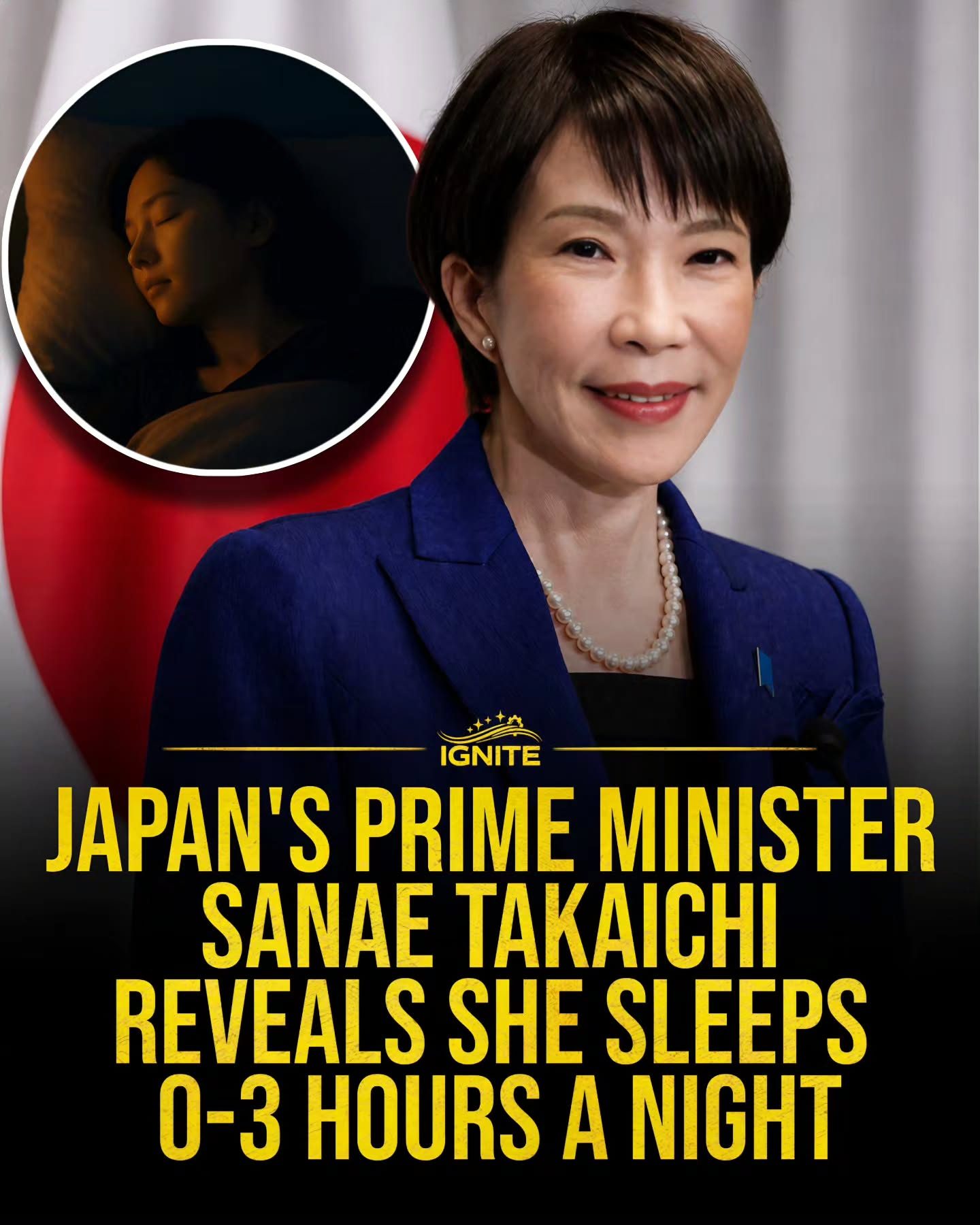
Japanese Prime Minister's Sleep Habits
Sleep is a universal need, but the amount required varies significantly from person to person. For Sanae Takaichi, Japan’s Prime Minister, sleep is a luxury that she often forgoes. Takaichi has revealed that she sleeps very little, typically between 0 and 3 hours per night. This unique sleep pattern has sparked interest and raised questions about the impact of such minimal sleep on a leader's productivity, health, and decision-making abilities.
Context / Why this matters
Understanding the sleep habits of world leaders can provide insights into how they manage their time, stress, and overall well-being. Sanae Takaichi's revelation about her minimal sleep has significant implications for anyone interested in the work-life balance of high-ranking officials. Additionally, her sleep pattern highlights the broader discussion about the importance of sleep and how different individuals manage their time to achieve high levels of productivity.
Main discussion
The Reality of Minimal Sleep
Takaichi's sleep pattern of 0-3 hours per night is exceptional and falls far below the recommended 7-9 hours for adults. This minimal sleep can be attributed to her busy schedule and the demands of her role as Japan’s Prime Minister. However, chronic sleep deprivation can have serious health consequences, including cognitive impairment, weakened immune system, and increased risk of various diseases.
Productivity and Performance
Despite the potential risks, those who sleep very little often claim to be highly productive. Takaichi’s ability to function effectively with minimal sleep raises questions about the relationship between sleep and productivity. Some argue that certain individuals are naturally more efficient and can perform well even with less sleep. However, it's essential to recognize that such cases are rare and may not be sustainable in the long term.
The Role of Adaptation
Adaptation plays a crucial role in how individuals cope with minimal sleep. People who consistently get less sleep may develop coping mechanisms that help them function during the day. However, these adaptations can come at a cost, such as increased stress, irritability, and decreased overall well-being. It’s important to note that while some individuals may adapt to minimal sleep, this does not make it a healthy or sustainable practice.
Health Considerations
Chronic sleep deprivation can have severe health consequences. Studies have shown that prolonged lack of sleep is linked to various health issues, including heart disease, diabetes, and obesity. Mental health can also be affected, with increased risks of depression, anxiety, and other psychological disorders. Takaichi's minimal sleep raises concerns about her long-term health and the potential impact on her ability to lead effectively.
The Science of Sleep
Sleep is essential for both physical and mental health. It allows the body to repair and regenerate, consolidate memories, and regulate mood. Different stages of sleep play unique roles in these processes. For example, deep sleep is crucial for physical renewal, while REM (rapid eye movement) sleep is important for emotional regulation and cognitive functions.
Practical tips
While Sanae Takaichi's sleep habits are extreme, they highlight the importance of understanding one's individual needs and finding a balance that works. Here are some practical tips for managing sleep and productivity:
Prioritize Sleep
Even if it's challenging to get the recommended 7-9 hours of sleep, prioritize sleep as much as possible. Ensure you have a consistent sleep schedule and create a relaxing bedtime routine to improve sleep quality.
Manage Stress
Stress is a significant contributor to sleep deprivation. Techniques such as stress management, mindfulness, and meditation can help reduce stress levels and improve sleep quality.
Optimize Your Environment
Create a sleep-conducive environment by keeping your bedroom cool, dark, and quiet. Invest in a comfortable mattress and pillows, and avoid screens before bedtime to minimize blue light exposure.
Monitor Health
Regular check-ups and health monitoring can help detect any underlying issues that may be affecting your sleep. If you experience chronic sleep deprivation, consult a healthcare provider for professional advice.
Important takeaways
Sanae Takaichi's extreme sleep habits provide a unique perspective on the relationship between sleep, productivity, and health. While some individuals may adapt to minimal sleep, it is essential to recognize the potential risks and long-term consequences. Prioritizing sleep, managing stress, and optimizing your environment can help achieve a healthier balance of sleep and productivity.
Conclusion
Sleep is a fundamental aspect of health and well-being, and understanding the sleep habits of leaders like Sanae Takaichi can offer valuable insights. While minimal sleep may be sustainable for some, it is crucial to recognize the potential risks and prioritize adequate rest for long-term health and productivity. By adopting practical tips and monitoring health, individuals can achieve a balanced lifestyle that supports both personal and professional goals.
Watch the Reel
Questions readers ask
How many hours of sleep does Japanese Prime Minister Sanae Takaichi typically get?
Sanae Takaichi, the Prime Minister of Japan, typically sleeps between 0 and 3 hours per night, which is significantly less than the recommended amount for adults.
What are the potential effects of chronic sleep deprivation on a leader like Sanae Takaichi?
Chronic sleep deprivation can lead to various health issues, impaired cognitive function, and reduced decision-making abilities. It can also affect a leader's mood and overall well-being, which may impact their interactions with colleagues and the public.
How does Sanae Takaichi's sleep routine compare to the average person's?
The average adult is recommended to sleep between 7 and 9 hours per night. In contrast, Sanae Takaichi's sleep routine of 0 to 3 hours per night is remarkably less, making her sleep pattern quite unique.
What insights can we gain from understanding the sleep habits of high-ranking officials like Sanae Takaichi?
Examining the sleep habits of leaders provides valuable insights into their time management strategies, stress management techniques, and overall productivity. It also sheds light on the potential sacrifices they make for their roles and the broader implications of their sleep patterns on their decision-making and health.
What are some potential time management strategies for leaders who sleep very little?
Leaders who sleep very little might employ strategies such as prioritizing tasks, delegating effectively, and optimizing their waking hours. However, it's crucial to note that these strategies may not be sustainable or healthy in the long term.
How might Sanae Takaichi's sleep schedule impact her productivity?
While Sanae Takaichi's minimal sleep schedule might allow her more time for work, it is important to consider the potential negative effects on her productivity, such as decreased focus and impaired cognitive function. Additionally, her health and well-being may be compromised over time.
Recent articles
Fresh deep dives from the latest Reels we unpacked.




Comments
Be the first to comment.