Understanding AI Tools That Predict Video Virality
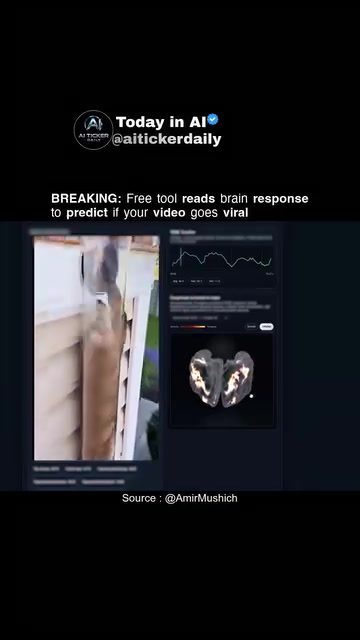
Predicting whether a video will go viral is a complex task that has long intrigued content creators and marketers alike. Enter AI tools that claim to forecast a video's virality by analyzing neural-style reactions. These tools leverage brain response analysis to provide creators with a clearer understanding of pacing, hooks, and edits before they finalize their content.
Why This Matters
Understanding what makes a video go viral can significantly impact content strategies. Traditional methods of gauging a video's potential, such as gut checks, can be subjective and unreliable. AI tools that analyze neural-style reactions offer a more scientific approach, potentially giving creators an edge in a highly competitive digital landscape.
Main Discussion
How AI Tools Analyze Neural-Style Reactions
AI tools like the one from aitickerdaily utilize advanced algorithms to model neural-style reactions to videos. This involves analyzing how different elements of a video—such as pacing, hooks, and edits—affect viewers' neural responses. By doing so, these tools can predict which parts of a video are likely to resonate with audiences and which parts might need improvement.
The Role of Brain Response Analysis
Brain response analysis is a key component of these AI tools. By monitoring brain activity in response to various video elements, these tools can provide insights into what makes a video engaging. For instance, a video of a cat drinking milk might show a spike in brain activity when the cat performs a cute or unexpected action, indicating that such moments are likely to capture viewers' attention.
The Free Prediction Tool
One of the most compelling aspects of this technology is the availability of a free tool. This tool, built on the neural-style reaction model, allows creators to get a clearer signal on whether their content will "slap," a slang term for being highly engaging. This is particularly useful for creators who need a more precise gauge than a simple gut check.
Practical Applications
Imagine you're creating a video for social media. Traditional methods might involve watching the video multiple times, getting feedback from a small group of friends, or relying on generic analytics. With an AI tool that predicts virality, you can get a more data-driven approach. This tool can help you understand exactly which parts of your video are likely to engage viewers and which parts need tweaking. Whether it's adjusting the pacing, enhancing the hooks, or refining the edits, these tools provide actionable insights that can make a significant difference in your content's performance.
The Process of Using the Tool
The process typically involves uploading your video to the tool, which then analyzes the neural responses of viewers. The tool might use visualizations like brain scan images and graphs to show how different parts of the video affect brain activity. These visual aids make it easier to understand the data and apply it to your editing process.
Practical Tips
Conducting Neural-Style Reaction Analysis
To get the most out of these AI tools, start by understanding the basics of neural-style reaction analysis. Familiarize yourself with the tool's dashboard and the various metrics it provides. This will help you interpret the data more effectively and make informed decisions about your video edits.
Setting Clear Goals
Before using the tool, set clear goals for what you want to achieve. Whether it's increasing viewer engagement, improving video pacing, or enhancing hooks, having clear objectives will guide your analysis and editing process.
Iterative Testing
Use the tool iteratively. Don't rely on a single analysis to determine the final edits. Instead, make changes based on the tool's feedback, reanalyze the video, and refine your edits as needed. This iterative process can help you fine-tune your content and maximize its potential for viral success.
Important Takeaways
The Power of Data-Driven Decisions
Relying on data-driven decisions can significantly enhance your content creation process. Tools like those offered by aitickerdaily can provide valuable insights into what makes a video engaging, helping you create more effective and viral-worthy content.
The Free Tool's Advantage
The availability of a free AI tool for predicting video virality is a game-changer. It democratizes access to advanced analytics, allowing creators of all levels to benefit from this technology. Whether you're a seasoned content creator or just starting out, having access to this tool can give you a competitive edge.
Continuous Improvement
Continuous improvement is key to successful content creation. By leveraging the insights provided by these tools, you can continuously refine your videos and improve their potential for virality. Regularly updating your content strategy based on the latest data and analytics can lead to long-term success.
Conclusion
AI tools that predict video virality offer a revolutionary approach to content creation. By analyzing neural-style reactions, these tools provide creators with actionable insights into what makes a video engaging. Whether you're a content creator looking to enhance your videos or a marketer seeking to optimize your campaigns, these tools offer a powerful set of features that can help you achieve your goals. Embrace the power of data-driven decisions and take your content to the next level.
Watch the Reel
Questions readers ask
How do AI tools analyze brain reactions to predict video virality?
AI tools use advanced algorithms to interpret neural responses when subjects view videos. By analyzing patterns in brain activity, these tools can identify which elements of a video—such as pacing, hooks, and editing—are most likely to captivate and engage viewers, thereby predicting the video's potential for virality.
What benefits do AI content creation tools offer to creators?
AI content creation tools provide creators with data-driven insights into what makes a video engaging. These tools can help refine pacing, identify the most effective hooks, and optimize edits to maximize audience retention and sharing, giving creators a competitive advantage in the digital content landscape.
Can AI tools for video engagement help predict future video trends?
While AI tools can analyze current trends and viewer reactions, predicting future trends is more speculative. However, by continuously learning from new data, these tools can provide valuable insights into emerging patterns and preferences, helping creators stay ahead of the curve.
Are there any free content creation tools that use AI to analyze videos?
Yes, there are some free content creation tools available that utilize AI for video analysis. These tools often offer basic features such as pacing suggestions and engagement metrics. However, more advanced features and detailed analytics are typically found in paid versions.
How do AI models for videos determine the best hooks for maximum engagement?
AI models analyze viewer reactions to various video segments to determine which hooks are most effective. By monitoring neural responses and engagement metrics, these models can identify the most compelling moments in a video, helping creators place hooks strategically to capture and retain audience interest.
What role does neural content editing play in AI-predicted video virality?
Neural content editing is crucial in AI-predicted video virality as it allows for precise adjustments based on viewer brain reactions. By fine-tuning edits to align with what the AI predicts will resonate most with viewers, creators can enhance the overall impact of their content, increasing the likelihood of it going viral.
Related deep dives
Similar reads based on topic and creator.




Recent articles
Fresh deep dives from the latest Reels we unpacked.




Comments
Be the first to comment.