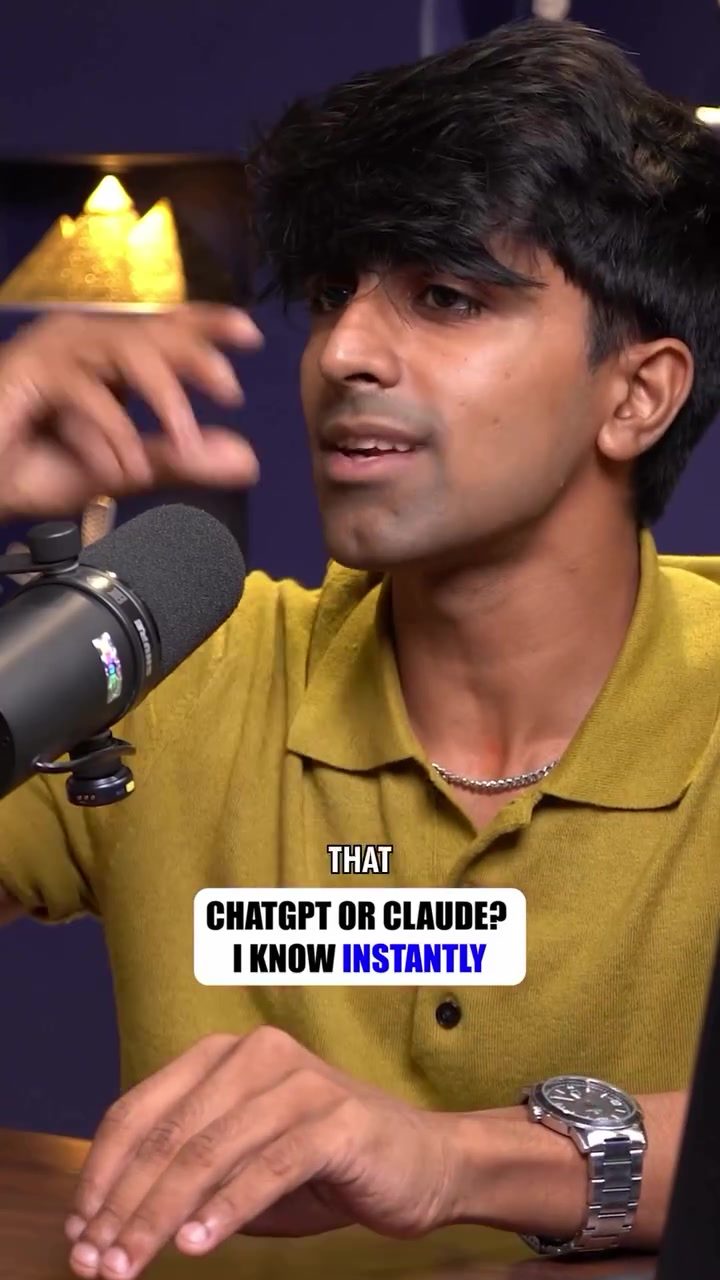
Identifying AI-Generated Text: A Comparison of ChatGPT and Claude
Understanding the nuances between AI-generated scripts, specifically from models like ChatGPT and Claude, can be a game-changer for power users. As AI tools become more integrated into content creation, spotting the differences between these scripts becomes crucial. Vishnu Vijayan, a prominent figure in the AI content creation space, delves into how frequent interaction with these tools can sharpen your ability to discern the source of AI-generated text based on structure, keywords, and tone.
Why This Matters
The rise of AI in content creation has brought unprecedented efficiency and creativity to various fields. However, it has also introduced complexities, particularly in distinguishing content generated by different AI models. Understanding these differences can enhance your content strategy, improve accuracy, and ensure that the AI-generated material aligns with your creative goals.
Comparing ChatGPT and Claude
Structural Differences
One of the first indicators of the source of an AI-generated script is its structural cohesion. ChatGPT and Claude, despite being advanced language models, have distinct ways of organizing text. For instance, ChatGPT tends to produce more cohesive and narrative-driven content, often with a clear introduction, body, and conclusion. The text flows seamlessly, making it ideal for storytelling and long-form content.
On the other hand, Claude's outputs can be more segmented, focusing on delivering information in a concise, bullet-pointed format. This makes Claude's text highly suitable for creating summaries, lists, and quick, digestible content pieces.
Keyword Usage
Another differentiating factor is the choice of keywords. Power users of AI tools often notice that ChatGPT favours a broader range of synonyms and related phrases, making the text more versatile and adaptable to various contexts. This versatility is particularly useful for SEO purposes and for drafting various types of content, from blog posts to social media updates.
Conversely, Claude’s keyword usage is more precise and specific. It tends to stick to a narrower set of keywords, making the generated text highly relevant and focused on the core topic. This precision is invaluable for technical writing, documentation, and any content that requires a high degree of accuracy and specificity.
Tone and Voice
The tone and voice of the generated text are also critical indicators. ChatGPT excels in mimicking a conversational and engaging tone, which makes it perfect for creating content that resonates with a broader audience. It can emulate various voices, from academic to casual, making it versatile for different content needs.
Claude, however, maintains a more formal and factual tone, which is ideal for creating authoritative and informative content. Its outputs often come across as more objective and less emotive, making it suitable for writing articles, reports, and other official documents.
Practical Tips for Identifying AI-Generated Text
To become a power user of AI tools and be able to discern the source of generated text, here are some practical tips:
-
Frequent Practice: The more you interact with AI tools, the better you become at recognizing their unique styles. Regular practice and exposure to various AI-generated texts can sharpen your discernment skills.
-
Analyze Keywords: Pay close attention to the keywords used. Notice if the text uses a broader range of synonyms or sticks to a more specific set. This can give you clues about the model used.
-
Check for Coherence: Evaluate the overall coherence and flow of the text. Cohesive and narrative-driven structures often come from ChatGPT, while more segmented and fact-driven structures are typically from Claude.
-
Evaluate Tone and Voice: Assess the tone and voice of the text. If it sounds conversational and engaging, it's likely from ChatGPT. If it's more formal and factual, it might be from Claude.
-
Use AI Tools for Comparison: Utilize prompts that compare the outputs of different AI models. This hands-on experience can help you internalize the differences more effectively.
Important Takeaways
Understanding the differences between ChatGPT and Claude can significantly enhance your content creation process. By honing your ability to discern the source of AI-generated text, you can:
- Improve Content Quality: Ensure that the text generated aligns with your creative and strategic goals.
- Enhance SEO: Use the appropriate keywords and tone to optimize your content for search engines.
- Streamline Workflow: Integrate AI tools more effectively into your workflow, saving time and resources.
Conclusion
As AI continues to transform the landscape of content creation, mastering the art of identifying AI-generated text from models like ChatGPT and Claude becomes increasingly important. By understanding the structural, lexical, and tonal differences, and by incorporating these insights into your workflow, you can optimize your content strategy and stay ahead in the ever-evolving world of digital creation.
Watch the Reel
Questions readers ask
What are the key structural differences between ChatGPT and Claude's outputs?
ChatGPT tends to produce content that is cohesive and narrative-driven, making it ideal for storytelling and long-form content. In contrast, Claude's outputs are often more concise and segmented, which can be beneficial for creating lists, bullet points, or structured data presentations.
How do the keywords used by ChatGPT and Claude differ?
ChatGPT often uses more descriptive and varied keywords, enhancing the narrative flow. Claude, however, employs more structured and specific keywords, prioritizing clarity and brevity. Power users can leverage these differences to tailor content to different needs, such as detailed storytelling versus concise informational pieces.
What are the tonal differences between ChatGPT and Claude scripts?
ChatGPT often adopts a more conversational and engaging tone, making the content feel fluid and relatable. Claude, on the other hand, maintains a more formal and straightforward tone, which is useful for technical or factual information. Recognizing these tonal differences can help in choosing the right tool for specific content goals.
Why is it important to distinguish between AI-generated scripts from ChatGPT and Claude?
Identifying the source of AI-generated text is crucial for optimizing content strategy. ChatGPT and Claude each have unique strengths that cater to different types of content. By understanding these differences, power users can select the most appropriate AI tool for their creative goals, enhancing the overall quality and effectiveness of their content.
How does frequent interaction with ChatGPT and Claude improve content creation?
Regular use of these AI tools allows users to become adept at identifying the nuances in their outputs. This skill can significantly improve content strategy, as users can better leverage the strengths of each tool. For example, ChatGPT might be used for creating engaging blog posts, while Claude can be utilized for generating structured reports or guidelines.
What are some practical applications of recognizing AI script differences in content creation?
Users able to distinguish between ChatGPT and Claude scripts can tailor their content to better meet specific needs. For instance, ChatGPT can be great for developing a captivating screenplay or narrative blog post, while Claude can be better suited for detailed, structured content like product manuals, instructions or any data-heavy documentation.
What are some instances where identifying AI scripts can be helpful in a professional setting?
In a professional setting, understanding AI script differences can enhance brand messaging. For example, if a brand aims to establish a conversational and relatable tone, ChatGPT might be the better choice. Conversely, if the goal is to provide clear and concise information, Claude's structured and formal output could be more effective. This awareness can help in creating targeted and impactful content that aligns with a brand's voice.
Related deep dives
Similar reads based on topic and creator.




Recent articles
Fresh deep dives from the latest Reels we unpacked.




Comments
Be the first to comment.