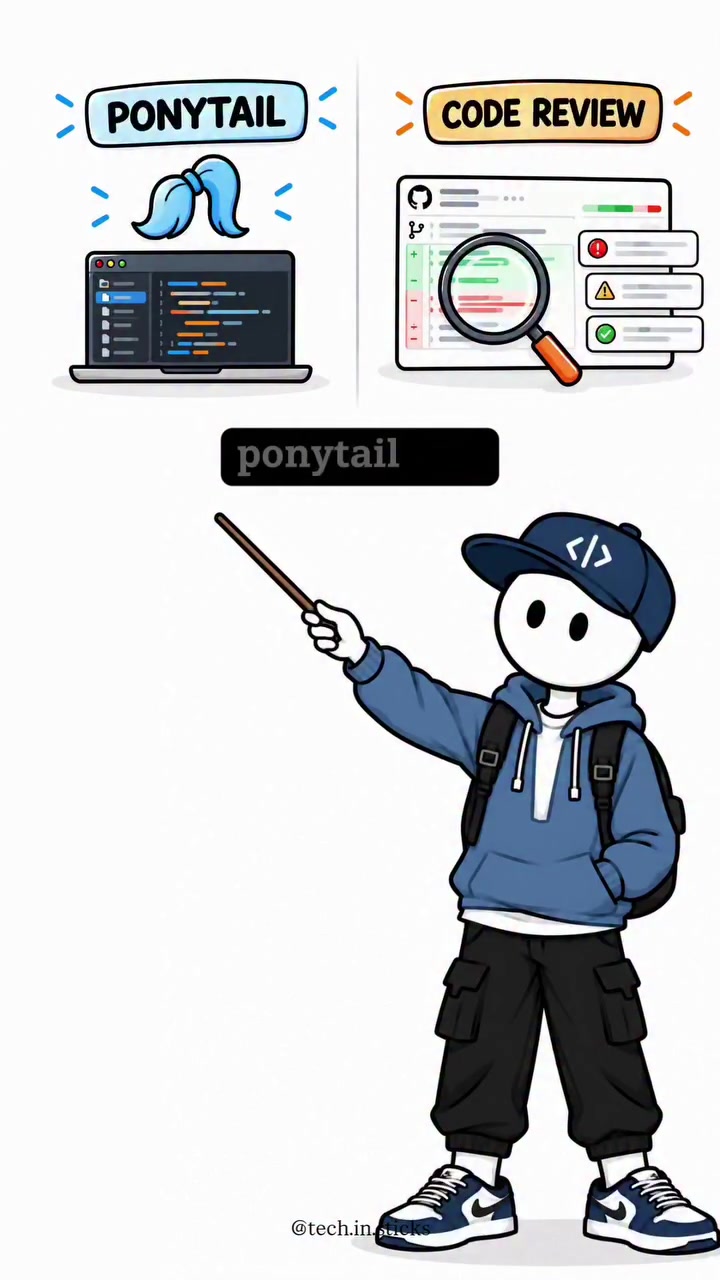
Transformative Tactics: Ponytail & Code Review
Ponytail and Code Review are two specialized plugins designed to enhance the capabilities of a text-based AI tool named Claude. These plugins perform distinct functions that complement each other to improve the efficiency and reliability of coding tasks. The Ponytail Plugin is specifically engineered to steer AI-generated code toward simplicity. AI tools, when left unguided, can produce unnecessarily complex code. This plugin encourages Claude to explore simpler solutions before resorting to adding new code. It uses prompts like, “Do I really need this?” or “Is there a simpler alternative?”, guiding the AI to avoid adding unnecessary abstractions or dependencies. In contrast, Code Review specializes in reviewing GitHub pull requests. Unlike Ponytail, Code Review focuses on identifying potential issues within the code. It leverages specialized agents to detect bugs, security problems, edge cases, and regressions. This ensures that the code not only works as intended but is also secure and reliable. By filtering out false positives, it reduces the noise in the review process, making it more efficient.
The Merge of AI and Software Development
The integration of AI tools into software development represents a significant shift in how code is written and reviewed. These AI-driven solutions have introduced unprecedented levels of efficiency and reliability. The use of Claude with plugins like Ponytail and Code Review is a testament to this trend. The ability to automate parts of the coding process while maintaining code quality is a game-changer in the industry. With tools like these available, software developers are now capable of handling complex projects with greater ease and accuracy. The automation of code simplification and review processes allows developers to focus on more strategic tasks. This trend is transforming the software development landscape, making it more efficient and less prone to errors.
Is Complexity Necessary? Understanding Ponytail
Why is code simplicity so important? Complex code is often harder to maintain, debug, and understand. Ponytail’s role is to reduce these complexities. When AI tools generate code, they might include unnecessary elements. Ponytail guides Claude to consider simpler alternatives. This can save a significant amount of time and resources, as simpler code is easier to manage and less likely to cause future issues. Equally important is the reliability of the code. Over-engineered code can lead to errors that are difficult to trace. By encouraging simplicity, Ponytail ensures that the code is not only efficient but also reliable.
Code Review: The Inspector’s Eye
Code Review’s strength lies in its ability to detect and flag potential issues in code. GitHub pull requests are the backbone of modern collaborative coding. They allow teams to review each other’s work before it is merged into the main codebase. Code Review uses multiple specialized agents to examine changes for bugs, security vulnerabilities, and other problems. This detailed inspection ensures that any issues are caught before they can cause significant problems. By filtering false positives, it reduces noise, making the review process more efficient and effective.
How AI Accelerates the Cloud Code Workflow
The integration of AI into the cloud code workflow promises to speed up development and reduce errors. For instance, Ponytail and Code Review work differently but together enhance the development process. While Ponytail focuses on writing less unnecessary code, Code Review zeroes in on finding issues in the code. These plugins are seamlessly integrated into the workflow, providing continuous support to developers without disrupting their workflow. The process is straightforward. Once integrated, these plugins run automatically in the background, alerting the developer to potential issues or suggesting simplifications. This continuous feedback loop helps maintain code quality and reduces the risk of errors. The result is a more efficient, reliable, and faster development process, significantly enhancing the overall productivity of the development team.
Deep Dive: How It Works
Ponytail: Prompting for Simplicity
Ponytail works by prompting the AI with a set of questions before generating new code. These prompts guide the AI to consider simpler solutions and avoid unnecessary additions. For example, before adding a new function, Ponytail might ask, “Is this function already handled by the platform?” or “Can this be solved with existing code?” This approach ensures that the AI focuses on the most straightforward and effective solution. This efficient process makes the code more maintainable and reduces the risk of errors.
Code Review: Multiple Specializations
Code Review operates by deploying multiple specialized agents. Each agent is trained to detect a specific type of issue, such as bugs, security vulnerabilities, or broken edge cases. The agents work together to provide a comprehensive review of the code. This means that the review process is thorough and covers a wide range of potential problems. By filtering out false positives, the review process is made more efficient, ensuring that the developer’s attention is focused on the most relevant issues.
The Integration with GitHub
Code Review is intricately integrated with GitHub pull requests, making it a seamless part of the collaborative development process. When a pull request is made, Code Review automatically reviews the code changes and provides feedback. This feedback is directly posted as review comments, allowing the developer to address any issues promptly. The integration ensures that the review process is continuous and aligned with the development workflow, improving overall efficiency and reliability.
Improving Code Quality
The plugins significantly enhance code quality by focusing on different aspects of the development process. Ponytail ensures that the code is simple and efficient, while Code Review detects and flags potential issues. This dual approach makes the code more reliable and easier to maintain. The insights provided by these plugins help developers write better code, reduce errors, and improve the overall quality of the software.
Why choose Ponytail and Code Review?
A developer looking to enhance their coding workflow with AI could consider the following steps to integrate these plugins:
- Explore the capabilities: Understand the distinct roles of Ponytail and Code Review.
- Integrate with your workflow: Both plugins are designed to work seamlessly with Claude. Integrate them into your existing development environment and start seeing improvements in code quality.
- Monitor and Adjust: Review the feedback and simplifications suggested by the plugins. Make necessary adjustments and monitor the improvements in your code.
Simplify and Safeguard
The AI plugins Ponytail and Code Review offer developers powerful tools to improve the quality of their code and streamline their workflow. By focusing on simplicity and thorough review, these plugins ensure that code is efficient, reliable, and free from errors. As the software development landscape continues to evolve, tools like these will become increasingly important, shaping the future of coding and ensuring that developers can create better software more efficiently.
Watch the Reel
Questions readers ask
How exactly do Ponytail and Code Review assist AI in writing and reviewing code?
Ponytail guides the AI to produce simpler, more manageable code by encouraging it to explore simpler alternatives and avoid unnecessary complexities. In contrast, Code Review focuses on reviewing GitHub pull requests for bugs, security issues, and other potential problems, ensuring the code is reliable and secure.
What are the main differences between Ponytail and Code Review?
Ponytail is designed to simplify the code generated by AI, making it more efficient and easier to manage. Code Review, on the other hand, specializes in reviewing code for potential issues, ensuring that the code is secure and reliable. They complement each other by addressing different aspects of the coding process.
Can Ponytail and Code Review be used independently, or do they need to be used together?
Ponytail and Code Review can be used independently, depending on the specific needs of the coding task. Ponytail is useful for simplifying code, while Code Review is essential for identifying potential issues. However, using them together can provide a more comprehensive solution, enhancing both the simplicity and reliability of the code.
How does Code Review filter out false positives, and why is this important?
Code Review filters out false positives by using specialized agents that can accurately detect genuine issues. This is important because false positives can clutter the review process, making it less efficient. By reducing noise, Code Review helps developers focus on real problems, saving time and resources.
How do Ponytail and Code Review integrate with Claude, and what benefits does this integration offer?
Ponytail and Code Review integrate with Claude by leveraging its capabilities to write and review code. This integration offers benefits such as increased efficiency, reliability, and the ability to handle complex projects with greater ease. Developers can automate parts of the coding process, allowing them to focus on more strategic tasks.
Recent articles
Fresh deep dives from the latest Reels we unpacked.




Comments
Be the first to comment.