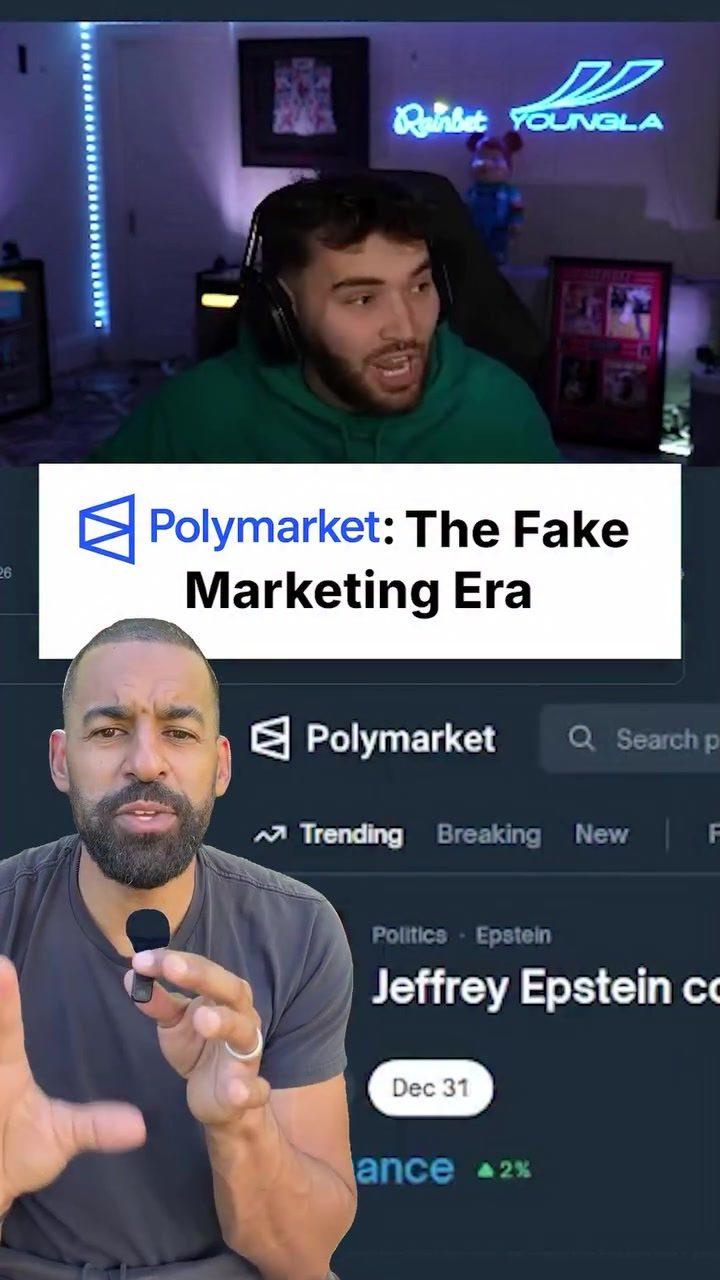
The Polymarket Marketing Scheme
Polymarket, a popular information platform, has come under intense scrutiny after a Wall Street Journal investigation exposed a significant marketing scheme. The revelations highlight a sophisticated operation where creators were paid to promote Polymarket, often without disclosing their financial ties. This scheme raises critical questions about consumer trust in the creator era and the broader implications for platforms, regulations, and future consumer behaviors.
Why This Matters
Consumer trust is the cornerstone of any brand's success. The Polymarket scandal underscores the growing problem of misleading promotions in the digital age. As more brands turn to creators for endorsements, the line between genuine content and sponsored posts blurs. This issue is particularly concerning in the financial sector, where trust and transparency are paramount. Understanding the full scope of this deception is crucial for consumers, regulators, and businesses alike.
The Marketing Scheme: How It Worked
The deception involved creating a web of fake content to make it seem like Polymarket's platform was more successful and popular than it actually was. Over 1,100 videos were reviewed, with more than 70% of them filmed on dummy versions of the site. These videos showcased apparent winnings of $900,000, which, if placed on the real platform, would have lost $166,000. This staggering discrepancy highlights the extent of the manipulation.
The Role of Creators
Creators played a pivotal role in this scheme. They were paid between $2,000 and $3,000 a month to produce content that promoted Polymarket. Aiden Ross, one of the biggest streamers on the internet, had a multimillion-dollar contract with the platform. George Makira, a college student, filmed a video celebrating a $100,000 win on a bet that turned out to be fake. On the real Polymarket, more than 50 people placed the same bet, and every single one of them lost. This example illustrates the depth of the deception and the lengths to which creators were willing to go to promote the platform.
The Impact on Consumer Trust
The Wall Street Journal's investigation has laid bare the manipulative tactics used by Polymarket. However, this is not just a Polymarket problem. It reflects a broader issue in the creator economy, where financial products are often marketed as entertainment. The marketing is designed to look like authentic behavior, making it difficult for consumers to discern what is real and what is sponsored. This blurring of lines is intentional and poses a significant challenge to consumer trust.
Regulatory and Ethical Considerations
Polymarket has promised to audit its promotional content following the report. However, the broader implications of this marketing scheme extend beyond a single platform. It highlights a regulatory problem that needs addressing. The line between demonstration and deception is becoming increasingly thin, and the next wave of regulation will likely focus on this area. Brands that proactively address these issues and ensure transparency will be the ones worth building and paying attention to in the future.
Practical Tips for Consumers
Given the current landscape, it is essential for consumers to be vigilant when engaging with financial content on the internet. Here are some practical tips:
Verify the Source
Before trusting financial advice or success stories, verify the source. Check if the creator has disclosed any sponsorships or financial ties. If not, be cautious about the information being presented.
Look for Red Flags
Be wary of content that seems too good to be true. If a creator is claiming significant wins or financial success, look for independent verification. Check if similar claims have been made on other platforms or by other creators.
Seek Multiple Perspectives
Don't rely on a single source of information. Seek out multiple perspectives and cross-reference claims with reliable sources. This will help you form a more accurate picture and avoid falling for manipulated content.
Stay Informed
Keep up with the latest news and regulatory developments in the financial sector. Being informed will help you make better decisions and protect yourself from deceptive marketing tactics.
Important Takeaways
The Polymarket scandal serves as a stark reminder of the challenges in the creator economy. Here are the key takeaways:
- Consumer Trust is Frayed: The manipulation of content to create a false sense of success has eroded consumer trust in the creator economy.
- Regulatory Needs: The line between demonstration and deception is becoming increasingly thin. New regulations are needed to address this issue.
- Transparency is Key: Brands that prioritize transparency and ethical practices will be the ones that thrive in the future.
- Vigilance is Essential: Consumers need to be vigilant and verify the authenticity of financial content they encounter on the internet.
Conclusion
The Polymarket marketing scheme is more than just a single platform's misstep; it's a symptom of a larger issue in the creator economy. As financial products are increasingly marketed as entertainment, the need for transparency and ethical practices becomes ever more critical. Consumers, regulators, and businesses must work together to rebuild trust and ensure that financial content on the internet is authentic and reliable. By doing so, we can create a more transparent and trustworthy digital landscape for everyone. Through careful verification, awareness, and informed decision-making, consumers can navigate this complex world and protect themselves from deceptive marketing tactics.
Watch the Reel
Questions readers ask
What did the Wall Street Journal investigation reveal about Polymarket?
The Wall Street Journal investigation uncovered that Polymarket was employing a marketing scheme where creators were given payments to promote the platform without revealing their financial incentives. This practice is now a point of contention and scrutiny. The investigation underscores the broader issue of transparency and trust on digital platforms.
Why is the Polymarket scandal significant for consumer trust?
The Polymarket scandal is significant because it exposes how consumer trust can be eroded when platforms fail to disclose paid promotions. The lack of transparency can mislead consumers, who may believe that the promotions are genuine endorsements rather than paid advertisements.
What are the implications of the Polymarket controversy for influencer marketing?
The Polymarket controversy highlights the need for greater transparency in influencer marketing. It raises questions about the ethics of paid promotions and the importance of clear disclosures. The scandal serves as a reminder for platforms and influencers to prioritize honesty and transparency in their dealings.
How do fake reviews and deceptive marketing tactics impact digital platforms?
Fake reviews and deceptive marketing tactics severely impact digital platforms by undermining consumer trust. When users discover that reviews or promotions are not genuine, it can lead to a loss of faith in the platform, potentially driving users away and harming the platform's reputation.
What steps can digital platforms take to restore consumer trust after a scandal?
Digital platforms can restore consumer trust by implementing transparent policies for disclosing paid promotions. They should also consider holding influencers accountable for full transparency. Regular audits and clear communication with users about the steps taken to prevent future misconduct can also help rebuild trust.
Related deep dives
Similar reads based on topic and creator.




Recent articles
Fresh deep dives from the latest Reels we unpacked.




Comments
Be the first to comment.