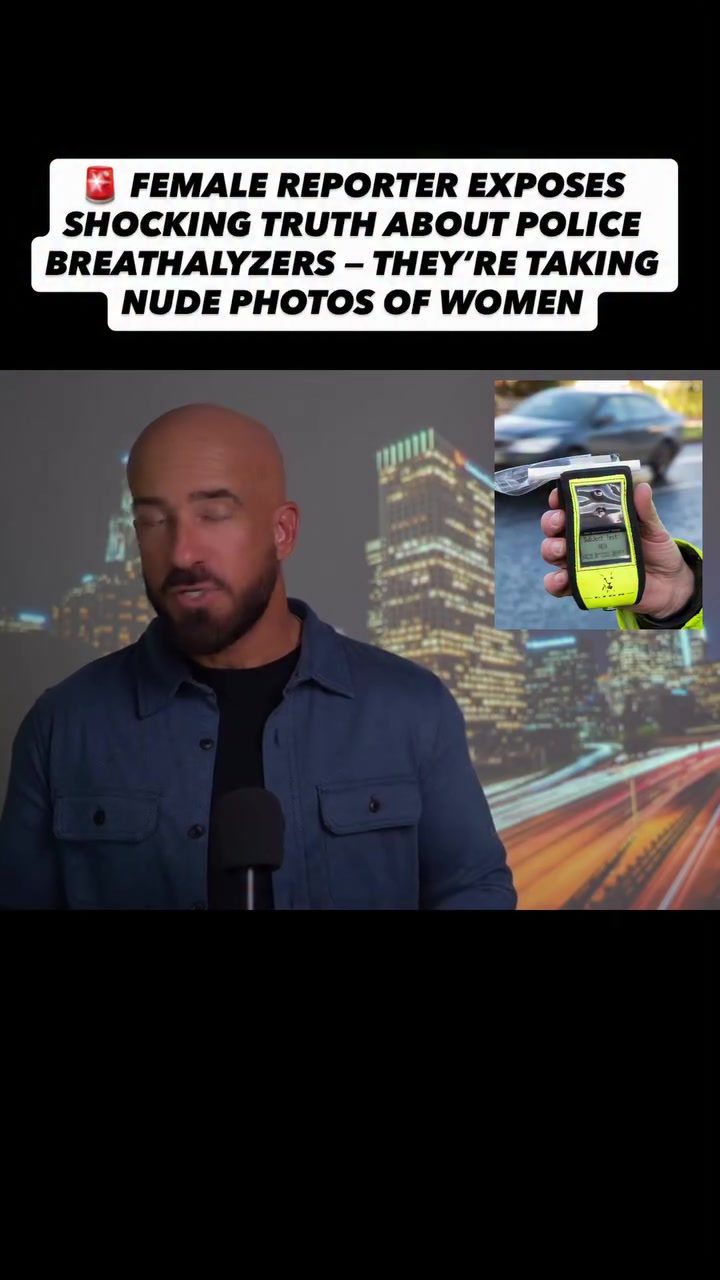
Police Breathalyzers and Allegations of Privacy Violations
Police breathalyzers are commonly used to monitor individuals convicted of DUIs, ensuring they remain sober. However, recent allegations have surfaced, raising significant concerns about the privacy and ethical implications of these devices. A former news anchor exposed a disturbing feature of court-ordered breathalyzers: they take photographs every time a person blows into the device. This revelation has sparked widespread alarm and renewed scrutiny over the use of these surveillance tools.
Why This Matters
The use of breathalyzers for monitoring sobriety is intended to be a deterrent for repeat offenses and to ensure public safety. However, the revelation that these devices take photographs has introduced a new layer of complexity. The potential for misuse and invasion of privacy is alarming, particularly for women who may be inadvertently sending topless photos to monitoring companies.
The Allegations
The Exposed Feature
The core of the controversy is the hidden feature in some breathalyzers that captures an image every time the device is used. This feature was brought to light by a former news anchor who revealed her own struggle with alcoholism and subsequent recovery. She highlighted a troubling aspect of these devices: their ability to photograph users, which can inadvertently capture compromising images if the user is not fully dressed.
Public Reaction
The public reaction to this revelation has been one of shock and concern. Many individuals who have been mandated to use these devices are now questioning the extent of the surveillance and the potential risks to their privacy. The anxiety is heightened by the realization that these images could be accessed by third-party monitoring companies, raising serious concerns about data security and misuse.
Main Discussion
How Breathalyzers Work
Breathalyzers are electronic devices designed to measure the Blood Alcohol Content (BAC) from a breath sample. They are commonly used by law enforcement to determine if a person is under the influence of alcohol. In some jurisdictions, individuals convicted of DUIs are required to use these devices regularly to ensure they remain sober. The devices are often equipped with GPS tracking and remote monitoring capabilities, allowing authorities to verify compliance with court-ordered sobriety requirements.
The Photography Feature
The photography feature in some breathalyzers is intended to provide additional verification of the user's identity and compliance. However, the revelation that these devices take photographs every time they are used has raised significant ethical and legal questions. Critics argue that this feature is an invasive and unnecessary intrusion into an individual's private life.
Concerns from Women
Women, in particular, have expressed heightened concern over the photography feature. The risk of inadvertently sending topless selfies to monitoring companies is a serious issue, especially given the potential for these images to be misused or leaked. Users are now being advised to ensure they are fully dressed when using the devices to avoid this potential embarrassment and violation of privacy.
Conclusion from the Former Anchor
The former news anchor who exposed this feature emphasized the importance of awareness and caution. She advises individuals who are required to use these devices to be mindful of their attire and to question the extent of surveillance they are subjected to. Her personal experience with alcoholism and recovery adds a layer of credibility and urgency to her warnings.
Privacy and Legal Implications
The legal and ethical implications of this revelation are far-reaching. Questions are being raised about the legality of the surveillance and the potential for data breaches. Some are calling for stricter regulations and transparency regarding the use of breathalyzers, particularly in light of the potential for privacy violations.
Practical Tips
What to Do if You Are Using a Breathalyzer
- Be Fully Dressed: Always ensure you are fully dressed when using the breathalyzer to avoid any potential embarrassment or privacy violations.
- Question the Equipment: If you suspect that your breathalyzer has a photography feature, question the authority or company providing the device. Ask for clarification on data privacy and security measures.
- Seek Legal Advice: If you feel that your privacy has been violated, consult with a legal professional to explore your options for recourse.
- Advocate for Change: Join advocacy groups or initiatives that are pushing for better regulations and transparency around the use of breathalyzers.
Important Takeaways
- Awareness: Be aware of the potential features of your breathalyzer, including any photography capabilities.
- Privacy: Take steps to protect your privacy and ensure that you are fully dressed when using the device.
- Advocacy: Advocate for better regulations and transparency in the use of these devices.
- Legal Action: If necessary, seek legal advice to protect your rights and privacy.
Conclusion
The revelation that police breathalyzers have the capability to take photographs has raised significant concerns about privacy and ethical use. While these devices are intended to ensure compliance and public safety, the potential for misuse and invasion of privacy cannot be ignored. Individuals who are required to use these devices should be aware of the potential risks and take steps to protect their privacy. Advocacy for better regulations and transparency is essential to address these concerns and ensure that the use of breathalyzers is conducted in an ethical and lawful manner.
Watch the Reel
Questions readers ask
Do police breathalyzers always take photos when in use?
Yes, many police breathalyzers are equipped with cameras that automatically capture an image each time the device is used. This feature is often triggered when the individual blows into the breathalyzer, ensuring that a photo is taken during the test.
How are the photos from police breathalyzers stored?
The photos taken by breathalyzers are typically stored on secure servers managed by the monitoring agencies or law enforcement. These servers are designed to protect the data from unauthorized access, but concerns remain about potential breaches and misuse.
Can individuals consent to or opt out of having their photos taken by police breathalyzers?
Generally, individuals who are required to use these devices as part of their court-ordered monitoring do not have the option to opt out of the photo feature. Consent is typically implied as part of the legal agreement to use the breathalyzer for monitoring purposes.
What are the potential risks of police breathalyzer photos being leaked?
The leak of photos from police breathalyzers could lead to serious privacy violations, including the exposure of sensitive personal information and even nudity if the photos are taken inappropriately. This could result in significant emotional distress and potential legal ramifications for those affected.
Are there any regulations in place to govern the use of cameras in police breathalyzers?
The regulations governing the use of cameras in police breathalyzers vary by jurisdiction. Some areas have implemented policies to ensure that the photos are used solely for verification and monitoring purposes, while others may lack specific guidelines, leading to varying levels of privacy protection.
How are the photos from police breathalyzers transmitted and who has access to them?
Photos from breathalyzers are usually transmitted securely to the monitoring agency or law enforcement. Access to these photos is typically restricted to authorized personnel who need to verify the user's identity and ensure compliance with sobriety requirements. However, the potential for misuse remains a concern, especially if data security measures are compromised.
What steps can be taken to address privacy concerns related to police breathalyzer photos?
To address privacy concerns, it is essential to implement strict data protection protocols, regular audits, and transparency in how the photos are used and stored. Advocating for clear policies and regulations can help ensure that these devices are used responsibly and that individuals' privacy rights are respected.
Related deep dives
Similar reads based on topic and creator.




Recent articles
Fresh deep dives from the latest Reels we unpacked.




Comments
Be the first to comment.