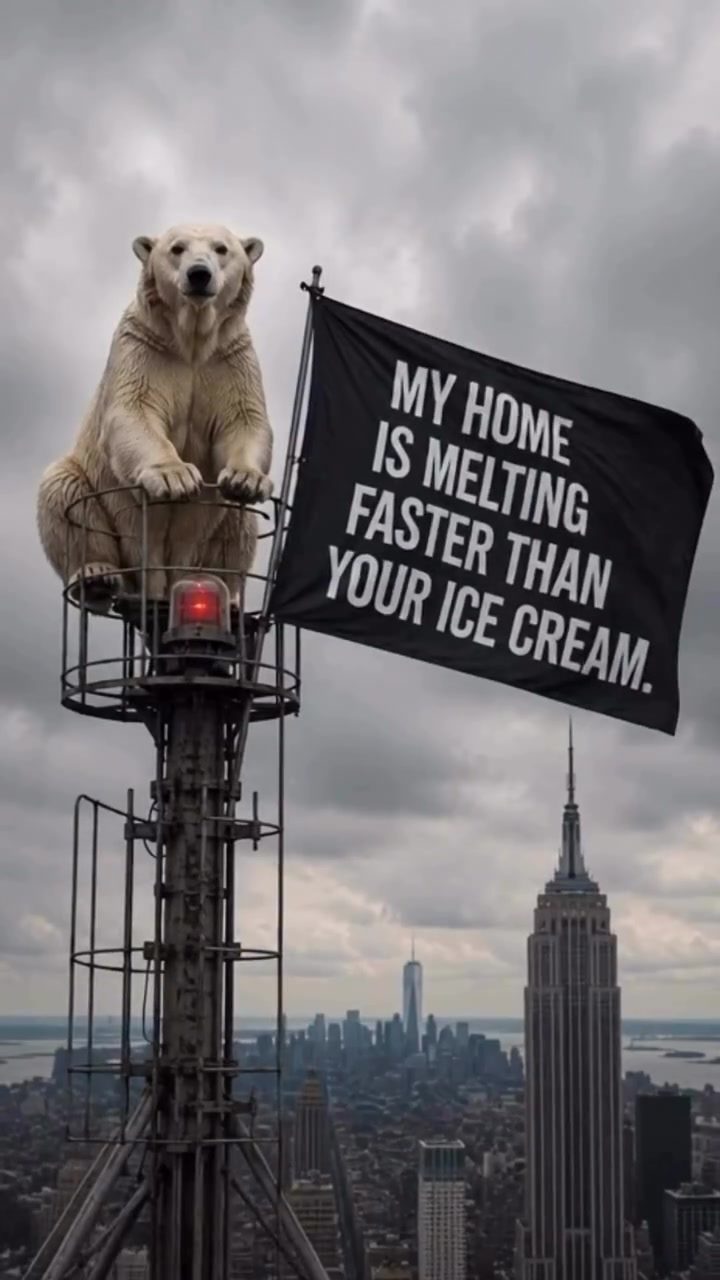
Climate Change and Its Impact on Polar Bear Habitats
Climate change is a pressing global issue, and its effects on polar bear habitats are particularly alarming. Polar bears are uniquely adapted to the Arctic environment, relying on sea ice for hunting, traveling, and raising their young. The annual melting of Arctic sea ice has significant implications for these magnificent creatures and the broader Arctic ecosystem.
Why This Matters
The Arctic is warming nearly four times faster than the global average, making it one of the fastest-changing regions on Earth. This rapid warming is altering entire ecosystems and posing significant threats to wildlife, ocean circulation, and global climate patterns. Understanding the specific impacts of climate change on polar bears is crucial for developing effective conservation strategies and mitigating the broader effects of global warming.
The Impact of Climate Change on Polar Bears
Melting Sea Ice
Each year, Arctic sea ice melts earlier and freezes later, reducing the time available for polar bears to hunt and travel. Sea ice serves as a critical platform for polar bears to rest, hunt seals, and travel long distances. As the ice disappears, polar bears lose these essential platforms, leading to longer swims, less food, and lower survival rates. This disruption in their hunting and travel patterns has profound implications for their overall health and reproductive success.
Ecological Consequences
Climate change isn't just about rising temperatures; it's transforming entire ecosystems. The loss of sea ice affects not only polar bears but also other Arctic wildlife. It alters ocean circulation and impacts global climate patterns. As the Arctic warms, it can disrupt the delicate balance of the ecosystem, making it difficult for species to adapt and thrive.
Polar Bear Survival
Polar bears are highly dependent on sea ice for their survival. Without it, their ability to hunt and travel is severely compromised. Longer swims and reduced access to food mean that polar bears have to expend more energy just to survive, leading to lower survival rates. This is particularly problematic for cubs and younger bears, who are more vulnerable to the harsh conditions and the increased competition for resources.
Broader Environmental Implications
The effects of climate change on the Arctic extend beyond polar bears. The decline in sea ice affects ocean currents and can disrupt global weather patterns. The Arctic plays a crucial role in regulating global temperatures, and its warming can exacerbate climate change effects elsewhere. Monitoring these changes and understanding their broader implications are essential for developing comprehensive strategies to address climate change.
Practical Tips for Mitigating Climate Change
While the situation for polar bears and the Arctic ecosystem is dire, there are several steps individuals and communities can take to mitigate the effects of climate change:
Reduce Carbon Footprint
One of the most significant contributors to climate change is carbon emissions. Reducing your personal carbon footprint by driving less, using energy-efficient appliances, and choosing renewable energy sources can make a significant difference.
Support Conservation Efforts
Organizations like the World Wildlife Fund (WWF) and National Snow and Ice Data Center (NSIDC) are actively involved in monitoring and conserving Arctic ecosystems. Supporting these organizations through donations or volunteering can help fund crucial research and conservation efforts.
Advocate for Policy Changes
Advocating for policies that address climate change is essential. This can include supporting renewable energy initiatives, promoting sustainable practices, and encouraging governments to take stronger action on climate change.
Raise Awareness
Raising awareness about the impact of climate change on polar bears and the Arctic ecosystem can inspire others to take action. Sharing information and encouraging conversations about climate change can foster a collective effort to address this global issue.
Important Takeaways
The Urgency of Action
The impact of climate change on polar bears and the Arctic ecosystem highlights the urgency of taking action. Every year, the situation becomes more critical, and the window for effective intervention is narrowing.
The Interconnectedness of Ecosystems
Polar bears are just one part of a complex and interconnected Arctic ecosystem. The loss of sea ice affects a wide range of species and has broader implications for global climate patterns. Understanding this interconnectedness is crucial for developing effective conservation strategies.
The Role of Science
Scientific research plays a vital role in monitoring and understanding the effects of climate change. Organizations like the Intergovernmental Panel on Climate Change (IPCC) and NASA Earth Observatory are at the forefront of this research, providing valuable data and insights that inform policy and conservation efforts.
Global Collaboration
Addressing climate change requires global collaboration and concerted efforts from individuals, communities, and governments. By working together, we can develop effective strategies to mitigate the effects of climate change and protect vulnerable ecosystems.
Conclusion
Climate change poses a significant threat to polar bear habitats and the broader Arctic ecosystem. The melting of sea ice, rising temperatures, and ecological disruptions have far-reaching implications for wildlife, ocean circulation, and global climate patterns. By understanding the specific impacts of climate change on polar bears, we can develop targeted conservation strategies and take action to mitigate its effects. Whether through reducing our carbon footprint, supporting conservation efforts, advocating for policy changes, or raising awareness, every action counts in the fight against climate change.
Watch the Reel
Questions readers ask
How does climate change specifically affect polar bear habitats?
Climate change primarily impacts polar bear habitats through the melting of Arctic sea ice. Polar bears rely on this ice for hunting, traveling, and breeding. As the ice melts earlier and freezes later each year, it reduces the time polar bears have to hunt and build up fat reserves, threatening their survival.
Why is the Arctic warming so much faster than the rest of the planet?
The Arctic is warming rapidly due to a phenomenon known as Arctic amplification. This occurs because as sea ice melts, it exposes more dark ocean water, which absorbs more heat from the sun, leading to further warming and ice melt. This cycle contributes to the Arctic warming nearly four times faster than the global average.
What are the broader implications of Arctic warming beyond polar bear habitats?
The rapid warming of the Arctic has far-reaching effects, including alterations to global climate patterns, changes in ocean circulation, and threats to various wildlife species. These changes can disrupt ecosystems, impact human communities, and contribute to global sea-level rise.
How does the loss of sea ice affect the broader Arctic ecosystem?
The loss of sea ice due to climate change affects the entire Arctic ecosystem, as it is a critical habitat for many species. For example, the decline in sea ice can disrupt the life cycles of plankton, which are a vital food source for many marine animals, leading to a ripple effect throughout the food chain.
What can be done to help polar bears in the face of climate change?
While the primary challenge is reducing global carbon emissions, there are immediate actions that can be taken to help polar bears. This can include promoting policies that protect their habitats, supporting scientific research to better understand their needs, and raising awareness about the importance of the Arctic ecosystem to the planet.
How does the melting of sea ice impact polar bear hunting and survival?
The melting of sea ice impacts polar bear hunting and survival by reducing the platforms they use to ambush their primary prey, seals. With less sea ice, polar bears must swim longer distances to find food, which depletes their energy reserves. This can lead to reduced body condition, lower reproductive success, and ultimately, increased mortality rates.
What are some of the adaptations polar bears have made for the Arctic environment?
Polar bears are uniquely adapted to the Arctic environment with features like a thick layer of body fat and a water-repellent coat that insulates them from the cold. They have also developed strong swimming abilities and a keen sense of smell to help them hunt seals from great distances, making them well-suited to their icy habitat.
Related deep dives
Similar reads based on topic and creator.


Recent articles
Fresh deep dives from the latest Reels we unpacked.




Comments
Be the first to comment.