Brain Health and Music
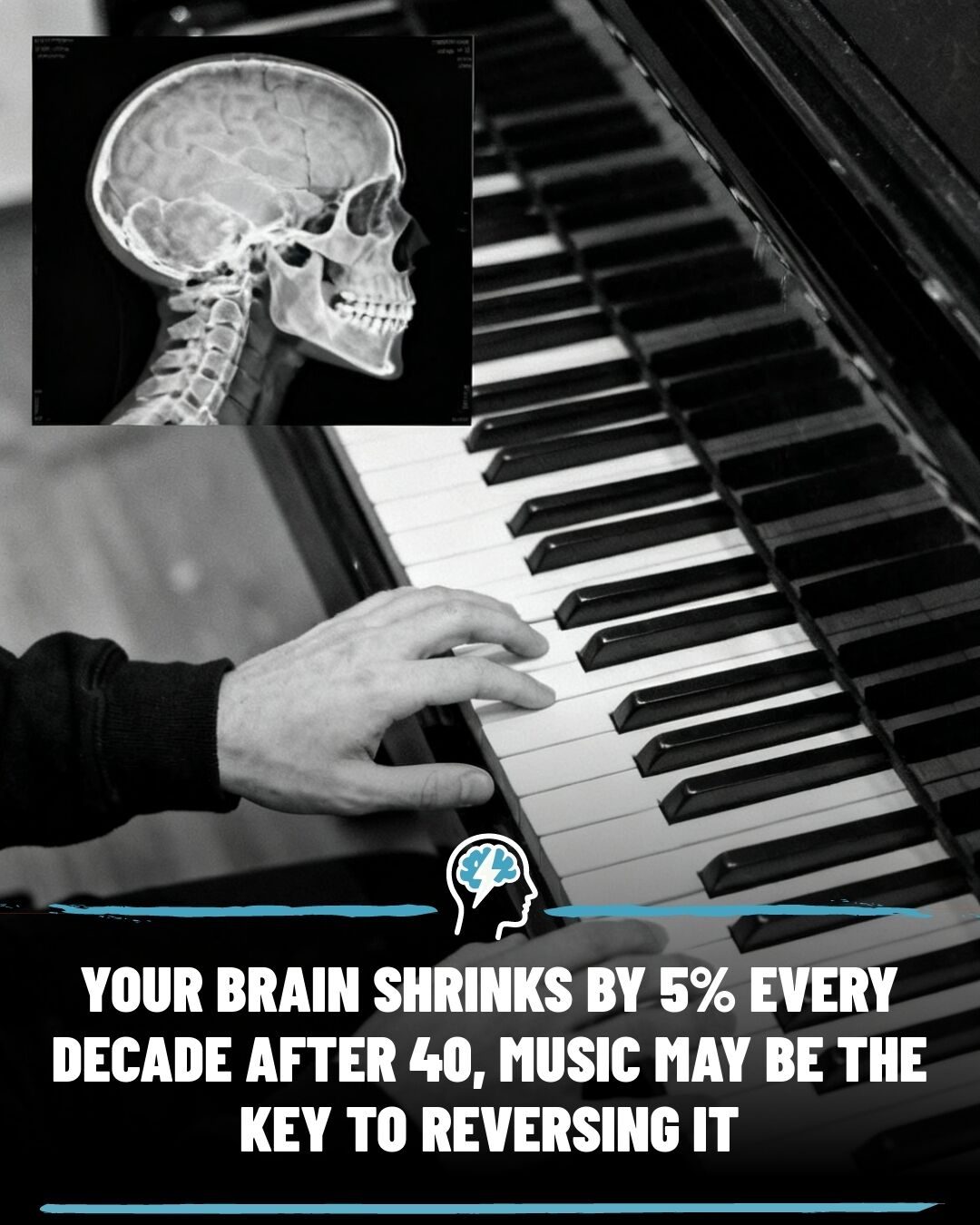
Aging brings many changes, and one of the most significant is the shrinkage of the brain. After age 40, brain volume decreases by about 5% every decade. This process, known as brain atrophy, can lead to cognitive decline and other neurological issues. However, new research suggests that playing a musical instrument could be a powerful tool to mitigate this decline. The benefits are seen in both lifelong musicians and those who start later in life.
Why this matters
Brain health is crucial for maintaining cognitive functions, memory, and overall well-being. As we age, preserving brain volume and connectivity is essential for delaying or preventing conditions like dementia and cognitive impairment. Engaging in activities that promote neuroplasticity—such as learning and playing a musical instrument—can offer significant benefits.
Main discussion
The science behind music and brain health
Recent studies have provided compelling evidence that music practice can enhance cognitive function and maintain brain health. A 2025 study published in PLOS Biology revealed that lifelong musicians in their 60s exhibited brain connectivity patterns similar to those of people in their 20s. When faced with challenging listening tasks, these musicians maintained efficient neural pathways in the right hemisphere of the brain, which is associated with auditory processing and cognitive functions. In contrast, non-musicians of the same age had to rely on different, less efficient brain regions to complete the same tasks.
The benefits of starting later
The cognitive benefits of playing an instrument are not limited to those who start young. Research conducted at Kyoto University followed older adults averaging 73 years old who began learning an instrument later in life. After four years, participants who continued to play showed no measurable decline in verbal working memory. Their brains also maintained volume in the putamen, a region linked to motor control and memory. Those who stopped practicing, however, showed declines in both areas. This indicates that sustained musical practice can help maintain cognitive functions, even when started later in life.
The protective effects of music on cognitive decline
Multiple studies have linked musical practice to a reduced risk of cognitive decline and dementia. Playing an instrument at least once a week has been associated with a 35% lower risk of developing dementia. Another analysis found that musicians had a 36% reduced likelihood of cognitive impairment compared to non-musicians. These findings suggest that engaging in musical activities can be a valuable component of a holistic approach to maintaining brain health.
The multifaceted benefits of playing an instrument
The brain benefits of playing an instrument come from engaging multiple cognitive processes simultaneously. Musicians must coordinate complex movements, engage memory, control motor functions, and process auditory information. This multifaceted engagement promotes neuroplasticity, the brain's ability to form new neural connections and adapt to changes. The sustained, complex coordination required in musical practice helps maintain cognitive functions and may slow or prevent cognitive decline.
Practical tips
Start with the basics
If you're new to playing an instrument, begin with a simple instrument like a keyboard or a recorder. These instruments are user-friendly and can help you get accustomed to the basics of music theory and technique. Once you're comfortable, you can gradually move on to more complex instruments.
Set realistic goals
Set achievable goals for yourself, such as practicing for a certain amount of time each day or learning a specific piece of music. Realistic goals can help keep you motivated and make the learning process more enjoyable.
Incorporate music into your daily routine
Make playing an instrument a regular part of your routine. Consistency is key to seeing long-term benefits. Whether it's playing for 15 minutes each morning or dedicating an hour each evening to practice, find a schedule that works for you and stick to it.
Explore different genres and styles
Don't limit yourself to one genre or style of music. Exploring different genres can keep your practice sessions interesting and challenging. It can also help you develop a more well-rounded musical skill set.
Important takeaways
Brain health is a multifaceted issue that involves various factors, including sleep, exercise, and social connection. Music practice is one piece of this larger puzzle. By engaging in musical activities, you can promote neuroplasticity, maintain cognitive functions, and potentially slow or prevent cognitive decline. The key is to start and keep practicing consistently.
Conclusion
Playing a musical instrument offers significant cognitive benefits, regardless of when you start. The research is clear: engaging in musical activities can help maintain brain volume, improve cognitive functions, and reduce the risk of dementia. Whether you're a lifelong musician or just picking up an instrument for the first time, your brain will thank you for the effort. So, why not give it a try? Your piano lessons might just be the key to a healthier, more vibrant brain decades down the line.
Watch the Reel
Questions readers ask
How does playing a musical instrument affect brain health as we age?
Playing a musical instrument can help maintain cognitive function and delay age-related brain shrinkage. Both lifelong musicians and older adults who start learning later in life experience these benefits. Engaging with music promotes neuroplasticity, which is crucial for maintaining brain volume and connectivity as we age.
Can learning to play an instrument later in life still benefit the brain?
Absolutely. Research shows that older adults who start learning an instrument later in life also experience brain-health benefits. It's never too late to gain the cognitive advantages that come with playing an instrument.
What are some of the specific cognitive benefits of playing music?
Playing music can enhance memory, improve attention to detail, and boost processing speed. It also promotes better hand-eye coordination and fine motor skills, which are essential for maintaining overall cognitive function.
How does playing an instrument help with brain aging?
Playing an instrument can mitigate age-related brain atrophy, which is the shrinkage of the brain that occurs after age 40. By promoting neuroplasticity, music playing helps preserve brain volume and connectivity, delaying or preventing conditions like dementia and cognitive impairment.
What instruments are best for brain health?
Any instrument that you enjoy playing and that challenges you can be beneficial. Some popular choices include the piano, guitar, violin, and drums. The key is to choose an instrument that encourages regular practice and mental engagement.
Related deep dives
Similar reads based on topic and creator.




Recent articles
Fresh deep dives from the latest Reels we unpacked.




Comments
Be the first to comment.