Plants and Ultrasonic Communication
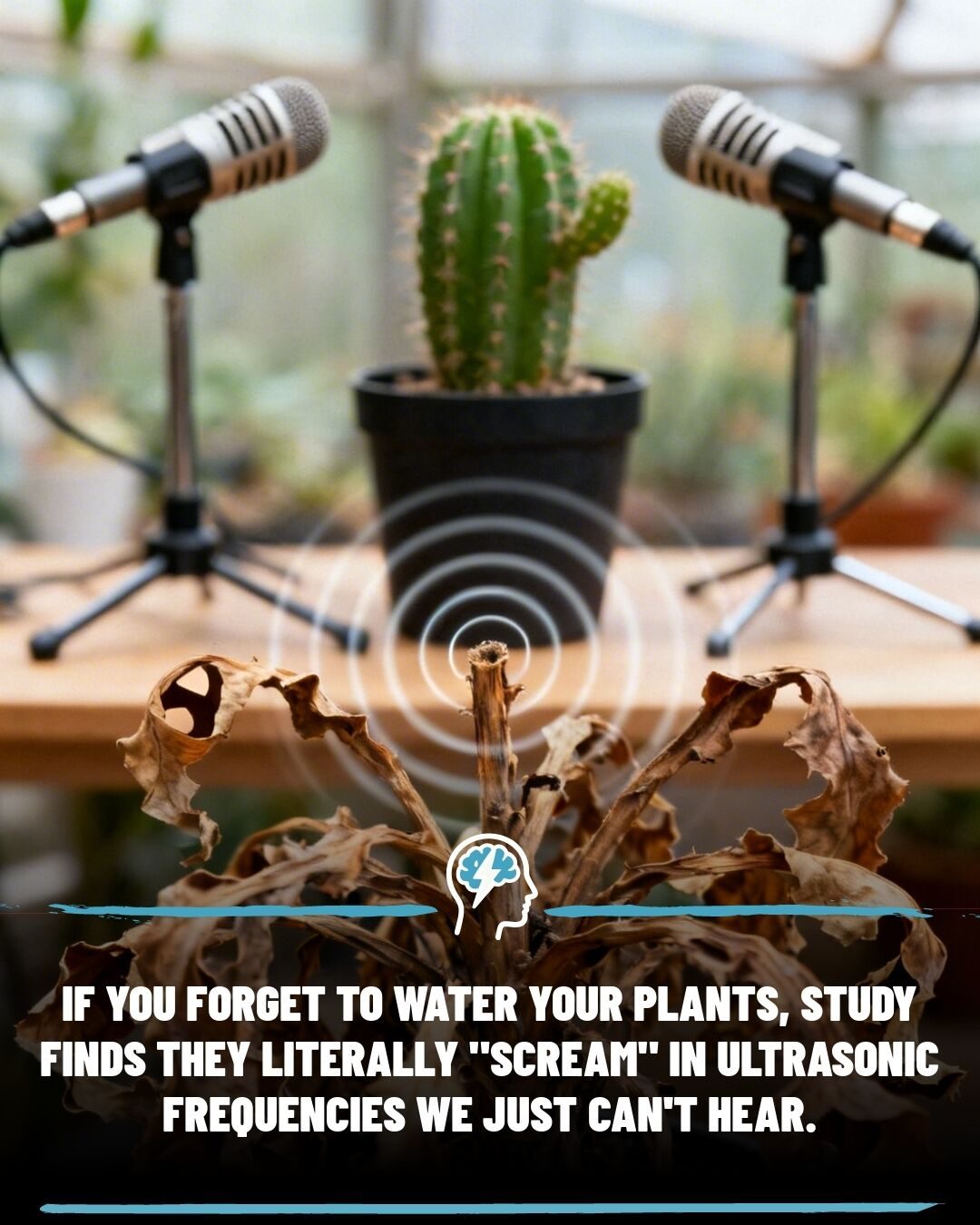
Plants may be communicating with each other and other organisms in ways we never imagined. Recent research has revealed that when plants are stressed, they emit ultrasonic clicking sounds in the 40 to 80 kilohertz range. These frequencies are well beyond the range of human hearing, but insects, animals, and potentially even other plants can detect these signals from up to five meters away.
Context / Why this matters
This discovery is groundbreaking for several reasons. First, it challenges our understanding of plant behavior and communication. Traditionally, we've thought of plants as largely passive organisms. However, this new research suggests that plants may be more interactive and responsive to their environment than we previously believed.
Second, understanding how plants communicate could have significant implications for agriculture. By monitoring these ultrasonic emissions, farmers could gain new insights into plant health and stress levels. This could lead to more efficient watering and pest control methods, ultimately improving crop yields and sustainability.
Main discussion
The Science Behind Plant Ultrasonic Emissions
A 2023 study published in Cell by researchers at Tel Aviv University explored this phenomenon in depth. The researchers recorded sounds from tomato and tobacco plants using specialized microphones. They tested two stress conditions: five days without water and physical stem damage.
The results were striking. Unstressed plants produced less than one sound per hour. In contrast, stressed plants emitted 30 to 50 sounds per hour. This significant increase in ultrasonic emissions under stress conditions suggests that these sounds are a direct response to environmental challenges.
Cavitation: The Mechanism Behind the Sounds
Scientists believe the sounds come from a process called cavitation. This occurs when air bubbles form and burst within the plant's vascular tissues as water pressure drops. Think of it like the sound of joints creaking or bubble wrap popping. It's a mechanical response to stress, not an intentional "scream" or emotional signal.
The process of cavitation involves the formation and subsequent collapse of tiny air bubbles within the plant's vascular system. These bubbles can cause a popping sound as they burst, and this sound is what we detect as ultrasonic emissions. While cavitation is a well-known phenomenon in fluids under pressure, this research suggests it plays a significant role in plant stress responses.
Machine Learning and Plant Health Monitoring
Machine learning algorithms have been developed to identify and interpret these ultrasonic emissions. These algorithms can distinguish between different plant species and types of stress, even in noisy greenhouse environments. This opens up possibilities for agricultural monitoring and understanding plant health in new ways. By analyzing these sounds, farmers and researchers can gain valuable insights into the health and stress levels of their crops.
Applications for Agriculture
Imagine being able to monitor a field of crops and receive real-time data on which plants are struggling and why. This could revolutionize agriculture by enabling more precise and efficient practices. For example, farmers could adjust irrigation schedules based on the ultrasonic emissions from their plants, ensuring that water is used only where and when it's needed. This could lead to significant water savings and improved crop yields.
Potential for Pest Control
In addition to monitoring plant health, understanding plant ultrasonic communication could also aid in pest control. Insects can detect these ultrasonic emissions, and some may respond to them as a warning signal. By manipulating these sounds, researchers could potentially develop new methods for deterring pests or attracting beneficial insects.
Practical tips
How to Detect Ultrasonic Emissions from Plants
For those interested in exploring this phenomenon firsthand, detecting ultrasonic emissions from plants requires specialized equipment. Here are some practical tips for getting started:
- Invest in Specialized Microphones: Regular microphones won't capture ultrasonic frequencies. You'll need microphones designed to detect sounds in the 40 to 80 kilohertz range.
- Create a Controlled Environment: To get accurate readings, it's important to minimize background noise. A controlled environment, such as a quiet room or a greenhouse, can help isolate the plant's sounds.
- Monitor Stressed and Unstressed Plants: To observe the difference in ultrasonic emissions, monitor both stressed and unstressed plants. This will give you a baseline for comparison.
- Use Machine Learning Tools: Machine learning algorithms can help analyze the data and identify patterns in the ultrasonic emissions. There are several open-source tools available that can assist with this analysis.
Implementing in Agricultural Settings
For farmers looking to implement this technology, here are some steps to consider:
- Collaborate with Researchers: Partner with researchers who have experience in this field. Their expertise can help you set up an effective monitoring system.
- Install Monitoring Systems: Set up a network of specialized microphones and sensors in your fields. These should be strategically placed to cover different areas of your crops.
- Analyze the Data: Use machine learning algorithms to analyze the data collected from your monitoring systems. Look for patterns and trends that indicate stress in your plants.
- Adjust Practices: Based on the data, adjust your farming practices. This could include changing irrigation schedules, targeting pest control efforts, or adjusting soil conditions.
Important takeaways
Plants have a complex and nuanced way of communicating their stress levels through ultrasonic emissions. While these sounds are beyond human hearing, they offer valuable insights into plant health and stress responses. By leveraging this knowledge, we can revolutionize agriculture and gain a deeper understanding of the natural world.
Future Research and Applications
As research continues, we can expect to discover even more about how plants communicate. This could lead to new agricultural practices, improved pest control methods, and a deeper appreciation for the complexities of plant life. The possibilities are vast, and the implications for agriculture and environmental science are significant.
Conclusion
The discovery that plants emit ultrasonic sounds when stressed opens up a new world of possibilities. By understanding and monitoring these emissions, we can improve agricultural practices, enhance pest control, and gain a deeper understanding of plant communication. This research highlights the complex and dynamic nature of plant life, challenging us to rethink our interactions with the natural world.
Watch the Reel
Questions readers ask
What kind of sounds do plants make when they are stressed?
When plants are under stress, they produce ultrasonic clicking sounds. These sounds fall within the 40 to 80 kilohertz range, which is inaudible to humans but can be detected by other organisms. This phenomenon is a significant area of study in 2023 plant research.
How do insects and other animals detect plant stress signals?
Insects and animals can detect the ultrasonic sounds emitted by stressed plants. These ultrasonic sounds are in the 40-80 kilohertz range and can travel up to five meters away. This ability allows for potential new insights into insect-plant communication and plant sustainability.
Can other plants detect these ultrasonic sounds?
While it's known that insects and animals can detect these sounds, research is ongoing to determine if other plants can pick up these ultrasonic signals. This is a new frontier in plant behavior research and could change our understanding of how plants interact with their environment.
What are the implications of this research for agriculture and plant health?
This discovery could significantly impact agriculture and plant health. By understanding the ultrasonic communication of plants, farmers and researchers can develop new strategies to monitor plant stress. This could lead to more sustainable and efficient agricultural practices, such as early detection of plant water stress and other issues.
How does this discovery challenge our understanding of plant behavior?
Traditionally, plants have been viewed as passive organisms. However, recent research showing that plants emit ultrasonic sounds when stressed challenges this view. It suggests that plants are more interactive and responsive to their environment than previously thought, offering new avenues for exploring plant power and behavior.
Can humans detect these ultrasonic sounds produced by plants?
No, humans cannot detect the ultrasonic sounds produced by plants. These sounds are in the 40 to 80 kilohertz range, which is beyond the human hearing range of 20 to 20,000 hertz. However, specialized equipment can be used to detect and study these ultrasonic signals.
Related deep dives
Similar reads based on topic and creator.




Recent articles
Fresh deep dives from the latest Reels we unpacked.




Comments
Be the first to comment.