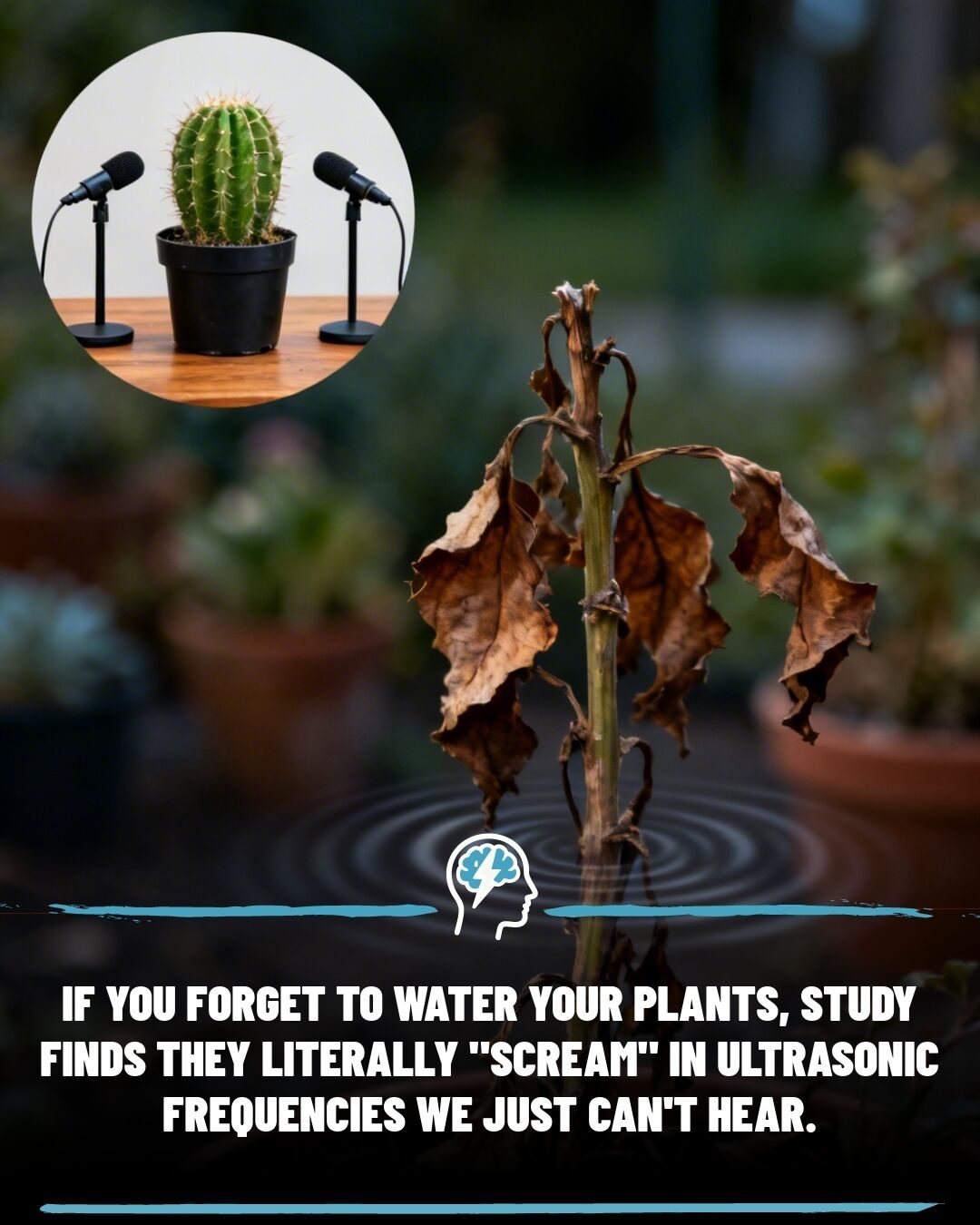
Plants can emit ultrasonic sounds when stressed, a phenomenon that has intrigued researchers and enthusiasts alike. Recent studies have shed light on this fascinating aspect of plant biology, revealing that plants like tomato and tobacco produce ultrasonic sounds when dehydrated or physically damaged. These sounds, inaudible to humans, are emitted as a byproduct of physiological stress.
Context / Why This Matters
Plant communication has long been a subject of curiosity and research. Understanding how plants respond to stress and communicate through ultrasonic sounds can have significant implications for agriculture, conservation, and our broader understanding of the natural world. Research in this area is opening up new avenues for monitoring plant health and uncovering the intricate relationships within ecosystems.
Main Discussion
Ultrasonic Sounds and Plant Stress
The discovery that plants emit ultrasonic sounds under stress was made by scientists at Tel Aviv University. Through their research, it was found that stressed plants produce 30 to 50 click-like pops per hour, while healthy plants remain mostly silent. These sounds are comparable in volume to human conversation and can be detected up to five meters away. However, they fall within the ultrasonic frequency range, which is beyond human hearing capabilities. This explains why these sounds have gone unnoticed until recently.
The Mechanism Behind the Sounds
The mechanism behind these ultrasonic emissions is believed to be cavitation. Cavitation occurs when air bubbles form and burst inside the plant’s vascular system during times of stress. This process is akin to tiny pops occurring within the plant’s internal plumbing as pressure changes happen. The sounds are a direct result of the bubbles bursting, creating a distinctive acoustic signature.
Ecosystem Implications
A 2025 study found that insects, specifically female moths, can detect these ultrasonic signals. These moths use the sounds to choose where to lay their eggs, preferring healthy, quiet plants over stressed ones emitting distress sounds. This observation suggests that these acoustic signatures play a role in ecosystems, influencing the behavior of other organisms in ways we are only beginning to understand.
Applications in Agriculture and Conservation
The discovery of plant ultrasonic sounds has practical applications. Machine learning algorithms can now distinguish between healthy plants, water-stressed plants, and mechanically damaged plants based solely on their sounds. This technology could revolutionize agriculture by providing a non-invasive way to monitor plant health on a large scale. Farmers could use this information to optimize watering schedules, detect diseases early, and improve crop yields.
Environmental Monitoring
Beyond agriculture, the ability to detect plant stress through ultrasonic signals could be used in environmental monitoring. Conservationists could use this technology to assess the health of ecosystems, identifying areas under stress and taking proactive measures to protect biodiversity. For example, early detection of drought stress in forests could inform water management strategies and forest conservation efforts.
Practical Tips
While it's clear that plants emit ultrasonic sounds under stress, there are practical steps that can be taken to ensure plant health and well-being. Here are some tips for maintaining healthy plants:
-
Regular Watering: Ensure that plants receive the right amount of water to prevent dehydration stress. This is particularly important for plants in dry or arid environments.
-
Monitoring: Use modern technology to monitor plant health. Sensors and machine learning algorithms can help detect stress signals early, allowing for timely intervention.
-
Proper Soil: Maintain good soil quality to support plant health. Proper soil improves water retention and nutrient availability, reducing the risk of stress.
-
Pest Control: Protect plants from pests and diseases, which can cause physical damage and stress. Regularly inspect plants for signs of infestation and take appropriate measures.
-
Timely Pruning: Prune plants regularly to promote healthy growth and remove damaged or diseased parts. This helps in maintaining overall plant health and reducing stress.
Important Takeaways
The discovery of ultrasonic sounds in plants is a groundbreaking finding that highlights the complexity of plant biology. Key takeaways from this research include:
- Ultrasonic Emissions: Stressed plants emit ultrasonic sounds, which are inaudible to humans but detectable by microphones and specialized sensors.
- Cavitation Mechanism: The sounds are likely produced by cavitation, a process where air bubbles form and burst inside the plant’s vascular system.
- Ecosystem Role: These sounds influence the behavior of other organisms, such as moths, which use them to choose where to lay their eggs.
- Practical Applications: The ability to detect plant stress through ultrasonic signals has potential applications in agriculture, conservation, and environmental monitoring.
Conclusion
The discovery that plants emit ultrasonic sounds when stressed opens up new avenues for understanding and interacting with the natural world. By leveraging this knowledge, we can develop more effective methods for monitoring plant health, enhancing agricultural practices, and conserving our ecosystems. The complexity of plant biology continues to surprise and inspire, revealing connections between organisms that we are only just beginning to comprehend.
Watch the Reel
Questions readers ask
What types of stress can trigger ultrasonic sounds in plants?
Plants can emit ultrasonic sounds in response to various stressors, including dehydration and physical damage, such as being cut or handled roughly. These stressors cause the plant to release ultrasonic frequencies as a byproduct of the stress response.
How can ultrasonic plant sounds be detected if they are inaudible to humans?
Ultrasonic plant sounds, which typically fall in the range of 20 kilohertz to 100 kilohertz, can be detected using specialized ultrasonic microphones or sensors. These devices can pick up the high-frequency sounds that humans cannot hear, allowing researchers to study the signals.
What are the implications of plant ultrasonic communication for agriculture?
Understanding and monitoring plant ultrasonic communication can help farmers detect stress in crops early, allowing for timely intervention. This could lead to improved crop management, enhanced yields, and more sustainable agricultural practices by reducing resource waste and crop loss.
Can all plants produce ultrasonic sounds?
While not all plants have been studied, research has shown that both tomato and tobacco plants emit ultrasonic sounds when under stress. It is plausible that other plant species may also produce these sounds, but further investigation is needed to confirm this across a broader range of plants.
What other techniques can be combined with ultrasonic detection for plant health monitoring?
Infrared monitoring can complement ultrasonic detection. Infrared cameras can detect changes in plant temperature and water content, which may accompany the emission of ultrasonic sounds during stress. Combining these techniques can provide a more comprehensive view of plant health and stress levels.
Are there any devices available for home gardeners to monitor plant stress through ultrasonic sounds?
Currently, devices specifically designed for home gardeners to monitor plant stress through ultrasonic sounds are not widely available. However, with the growing interest in this field, it is possible that such consumer-friendly tools may become available in the future. For now, specialized equipment is primarily used in research settings.
What are the primary challenges in studying plant ultrasonic communication?
Studying plant ultrasonic communication presents several challenges, including the need for specialized equipment to detect high-frequency sounds, the variability in sound production among different plant species, and the complex interplay between various environmental factors and plant stress responses. Additionally, interpreting the significance of these ultrasonic signals in real-world contexts is an ongoing area of research.
Related deep dives
Similar reads based on topic and creator.




Recent articles
Fresh deep dives from the latest Reels we unpacked.




Comments
Be the first to comment.