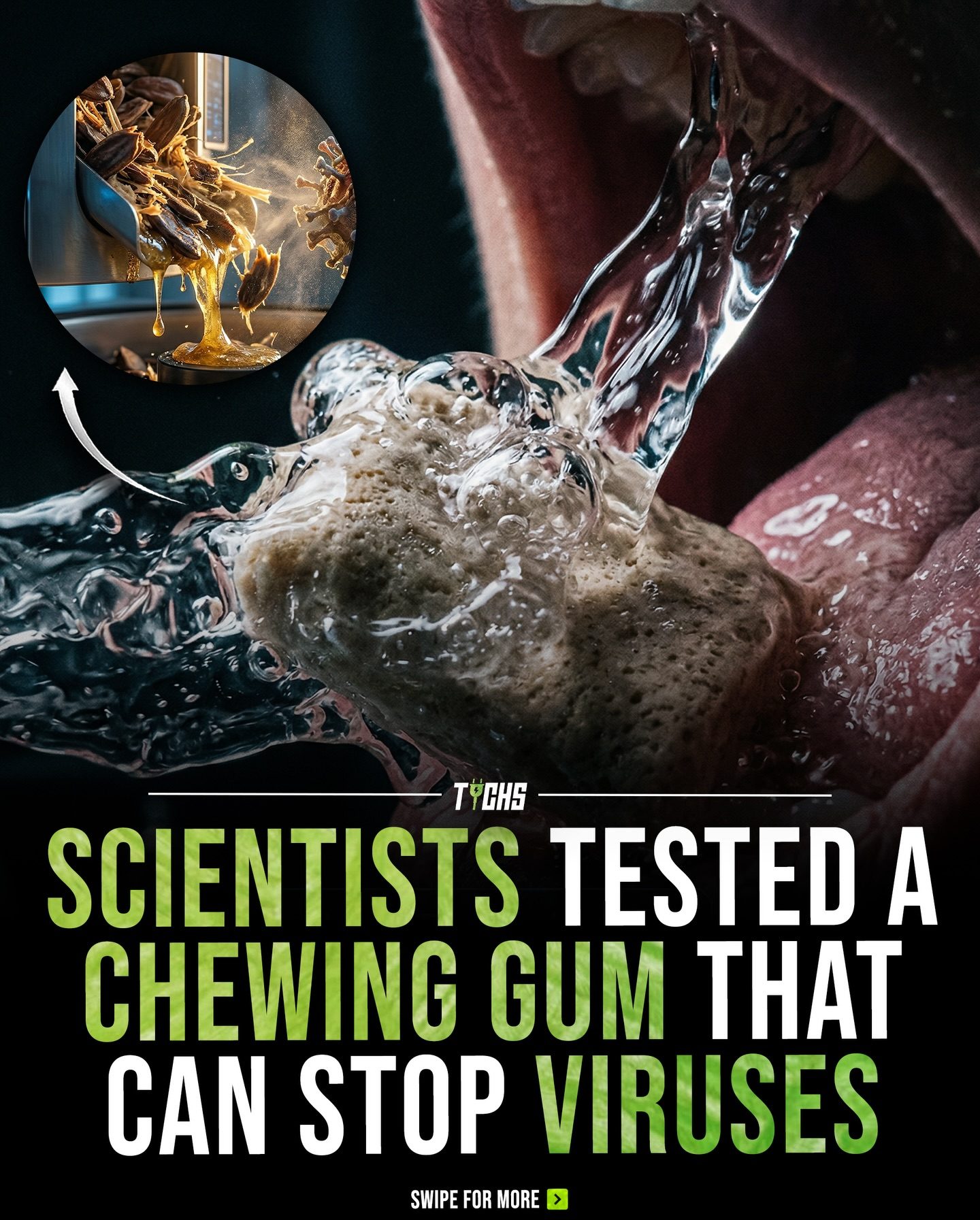
Anti-Virus Chewing Gum: A Revolutionary Approach to Reducing Viral Transmission
Chewing gum has long been a staple in many people's daily routines. But what if this simple product could also help in the fight against viruses? Researchers have been exploring this intriguing possibility, with promising results from a plant-based chewing gum developed by TYCHS.
Why This Matters
The potential for everyday products to play a role in public health is a significant development. If chewing gum can neutralize viruses, it could offer an additional layer of protection against the spread of illnesses, especially in settings where people are in close proximity.
Key Findings
Plant-Based Formulation
The chewing gum in question is formulated from bean-derived proteins, making it a plant-based option. This aligns with the growing trend towards natural and sustainable products, adding another layer of appeal to this innovation.
Lab Testing and Results
In laboratory conditions, this gum demonstrated an impressive ability to neutralize over 95% of certain flu viruses. This is a significant finding, as flu viruses are a common cause of seasonal illnesses and can spread rapidly in crowded environments.
Herpes Viruses
Beyond flu viruses, the gum also showed promise in reducing herpes viruses on contact. Herpes viruses, including those that cause cold sores and genital herpes, are notoriously difficult to eradicate. While this gum doesn't claim to cure herpes, its ability to reduce viral load could help lower transmission rates through saliva.
Mechanism of Action
The gum's ability to neutralize viruses on contact is particularly noteworthy. This suggests that chewing the gum could help reduce the amount of virus present in saliva, potentially lowering the risk of transmission to others. This could be especially useful in the early stages of an infection, when symptoms may not yet be apparent.
Practical Tips
While the research is still in its early stages, there are a few practical considerations to keep in mind:
Daily Use
Incorporating this gum into a daily routine could offer an added layer of protection, especially during flu season or in settings where viral transmission is a concern, such as schools, offices, or public transportation.
Proper Disposal
As with any product that claims to have health benefits, proper disposal is important. Chewing gum should be disposed of responsibly to avoid environmental impact.
Not a Replacement for Medical Treatment
It's crucial to emphasize that this gum is not a replacement for medical treatment. If you suspect you have a viral infection, it's important to seek medical advice and follow recommended treatments.
Important Takeaways
Promising Potential
The findings from these experiments are encouraging, suggesting that simple, everyday products like chewing gum could play a role in reducing viral transmission. This aligns with the broader trend of incorporating health benefits into everyday products, from hand sanitizers to antimicrobial surface cleaners.
Early Stages of Research
While the results are promising, it's important to note that the research is still in its early stages. Further testing and validation are needed to understand the full potential and limitations of this approach.
Public Health Implications
The potential for chewing gum to reduce viral transmission has significant public health implications. If widely adopted, this could help lower the incidence of viral infections, reducing the burden on healthcare systems and improving overall public health.
Conclusion
Anti-virus chewing gum represents an exciting development in the field of public health. While more research is needed to fully understand its potential, the initial findings are promising. By incorporating simple, everyday products like chewing gum into our daily routines, we may be able to offer an additional layer of protection against viral infections. This could be especially important in settings where viral transmission is a concern, offering a practical and accessible way to help reduce the spread of illnesses.
Watch the Reel
Questions readers ask
How effective is the plant-based chewing gum in neutralizing flu viruses?
The plant-based chewing gum has been shown to neutralize 95% of certain flu viruses in lab tests. This makes it a promising tool for reducing the spread of flu in everyday environments.
What makes this chewing gum different from regular gum?
Unlike regular chewing gum, this plant-based variety is formulated with bean-derived proteins that give it virus-neutralizing properties. This unique formulation sets it apart and offers potential health benefits.
Can the chewing gum help reduce the spread of other viruses besides the flu?
Yes, the gum has also shown promise in reducing herpes viruses on contact. While more research is needed, this suggests it could potentially offer protection against a broader range of viruses.
How does the plant-based chewing gum work to neutralize viruses?
The exact mechanism is still under investigation, but the bean proteins in the gum are thought to interact with viruses, preventing them from infecting cells and thus reducing their ability to spread.
Is this chewing gum safe to use daily?
As with any new product, it's important to use the gum as directed. While it is formulated from natural, plant-based ingredients, individual tolerances may vary. If you have specific health concerns, consult a healthcare professional before use.
Where can I purchase this plant-based chewing gum?
As of now, the gum is still in the research and development phase. It may not be widely available for purchase yet. Keep an eye on updates from TYCHS, the company behind the product, for more information on availability.
Does the chewing gum replace other protective measures such as masks and hand washing?
No, the chewing gum should not replace other protective measures. It offers an additional layer of protection, but maintaining good hygiene practices, such as regular hand washing and wearing masks in crowded or indoor settings, is still crucial.
Related deep dives
Similar reads based on topic and creator.




Recent articles
Fresh deep dives from the latest Reels we unpacked.




Comments
Be the first to comment.