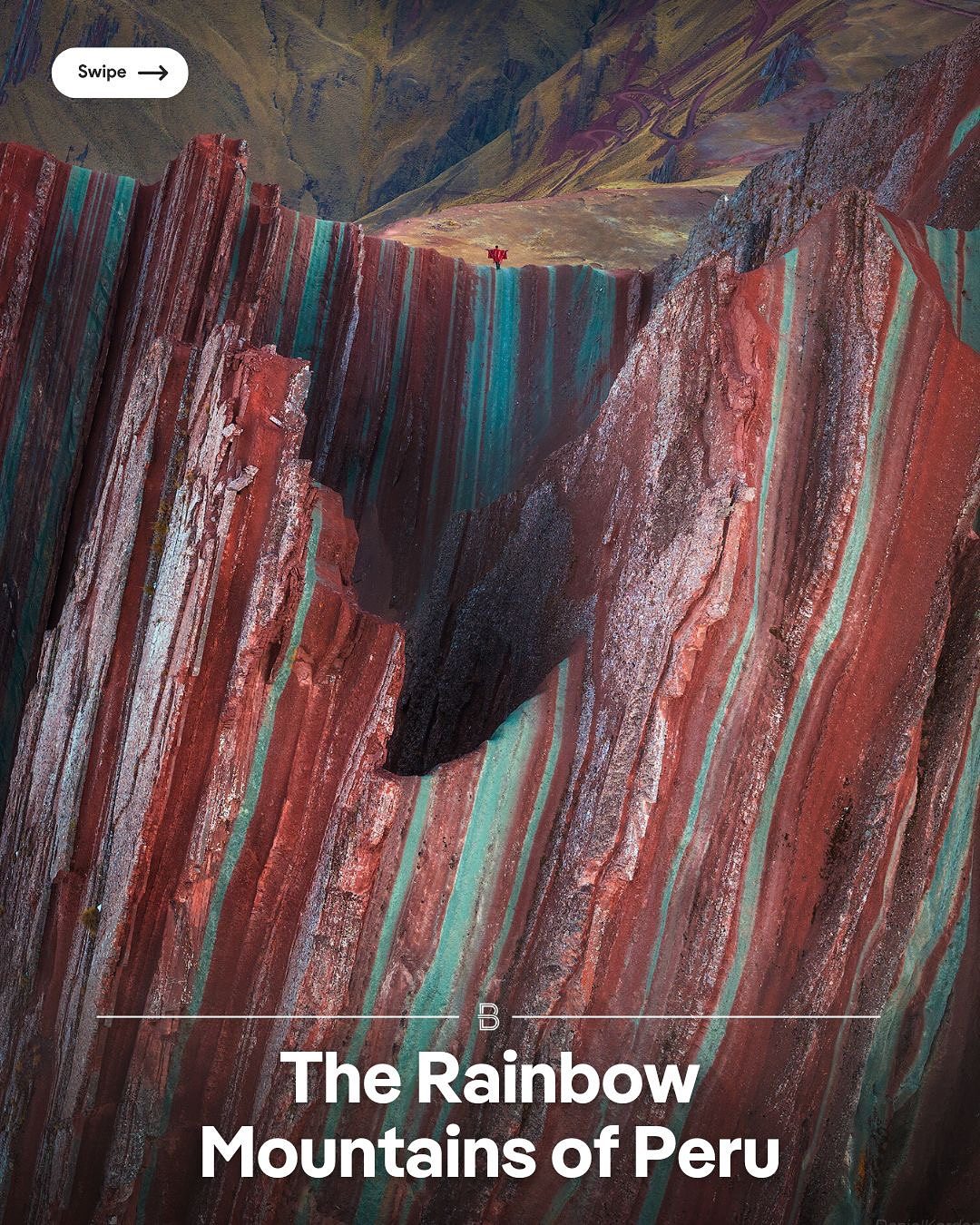
Rainbow Mountains of Peru: A Visitor's Guide
The Rainbow Mountains of Peru are a breathtaking natural wonder, known for their vibrant stripes of color that paint a stunning landscape. These mountains, located in the Andes, are a must-see for any traveler seeking a unique and awe-inspiring adventure. Here is a comprehensive guide to help you plan your trip and make the most of your visit to these extraordinary peaks.
Why the Rainbow Mountains Matter
Peru's Rainbow Mountains have become one of the most iconic landscapes in South America and around the world. The mountains’ vibrant colors are the result of millions of years of mineral deposits layered through geological movements.
Geological Formation and Colors
The Rainbow Mountains get their distinctive hues from various mineral deposits. The red stripes are due to iron oxide, while yellow stripes come from sulfur compounds. Green and blue stripes are a result of copper minerals. These minerals have been exposed through erosion over time, creating the stunning striped patterns that make the mountains so unique.
Planning Your Trip
Getting There: Cusco and Altitude Adjustment
To reach the Rainbow Mountains, you’ll first need to fly to Cusco, a city in southeastern Peru. Spend a couple of days in Cusco to adjust to the high altitude, which sits at 11,152 feet (3,399 meters) above sea level. This acclimatization period is crucial as it helps your body adapt to the thinner air and reduces the risk of altitude sickness, which can affect your trekking experience.
When to Visit
The best time to visit the Rainbow Mountains is during the dry season, from May to September. This period offers clear skies and bold colors, making for the best viewing conditions. Early mornings are especially ideal as they provide the best light and fewer crowds. If you visit during the rainy season, from November to March, be prepared for potentially obscured views due to cloud cover and precipitation.
Choosing Your Adventure
There are several trails and routes to explore the Rainbow Mountains, each offering a different experience. The most popular are Vinicunca, Palcocoyo, and Pallay Punchu.
Vinicunca
Vinicunca, also known as Montaña de Siete Colores (Seven Colors Mountain), is the most famous and challenging hike. Located at 17,060 feet (5,200 meters), it offers iconic views but requires a higher level of fitness. The trek typically takes around 7-8 hours round trip, including a steep ascent and descent.
Palcocoyo
For those looking for a less strenuous hike with similar views, Palcocoyo is an excellent alternative. It sits around 16,000 feet (4,877 meters) and takes approximately two to three hours round trip. Palcocoyo is quieter and easier to reach, making it a popular choice for those who want to see the vibrant colors without the intense physical challenge.
Pallay Punchu
Pallay Punchu is the most remote and least crowded of the three options. It’s recommended for serious hikers and those who enjoy a more secluded experience. The trail offers stunning views and a sense of adventure, but it may require more planning and preparation.
Practical Tips for Your Trek
Packing Essentials
To ensure a comfortable and safe trek, pack the following essentials:
- Layered Clothing: Temperatures can vary significantly, so bring layers to adjust to changing conditions.
- Water and Snacks: Stay hydrated and energized with plenty of water and high-energy snacks.
- Sun Protection: Wear sunscreen, a hat, and sunglasses to protect against the strong Andean sun.
- Comfortable Footwear: Invest in a good pair of hiking boots with excellent grip and support.
- First Aid Kit: Carry a basic first aid kit for any minor injuries or emergencies.
Physical Preparation
Preparing your body for the high altitude and physical demands of the trek is crucial. Consider the following:
- Cardiovascular Exercise: Engage in regular cardiovascular exercises like running, cycling, or swimming to build endurance.
- Strength Training: Focus on strengthening your legs, core, and back to handle the steep ascents and descents.
- Acclimatization: Spend time in Cusco or other high-altitude areas before attempting the trek to acclimate to the thinner air.
Guided Tours vs. Independent Trekking
You can choose between guided tours and independent trekking. Guided tours offer the advantage of expert knowledge, safety, and logistical support. They typically include transportation, a guide, and sometimes even meals. Independent trekking allows for more flexibility and privacy, but it requires careful planning and self-reliance.
Important Takeaways
- Acclimatize Properly: Spend at least 2-3 days in Cusco before attempting the trek to adjust to the altitude.
- Choose the Right Trail: Decide based on your fitness level and preferences, whether it’s the iconic Vinicunca, the more accessible Palcocoyo, or the remote Pallay Punchu.
- Time Your Visit: Plan your trip during the dry season (May to September) for the best weather and views.
- Pack Smart: Bring the right gear and plenty of water to ensure a safe and enjoyable experience.
Conclusion
The Rainbow Mountains of Peru are a natural marvel that offers a unique and unforgettable adventure. With proper planning, preparation, and a sense of awe, your journey to these vibrant peaks will be an experience you’ll cherish for a lifetime.
Watch the Reel
Questions readers ask
What causes the vibrant colors of the Rainbow Mountains in Peru?
The vibrant colors of the Rainbow Mountains are due to various mineral deposits that have been layered over millions of years through geological processes. The different hues, from red and yellow to green and blue, are a result of these mineral deposits reacting with the atmosphere, creating a stunning visual effect.
When is the best time to visit the Rainbow Mountains in Peru?
The best time to visit the Rainbow Mountains is during the dry season, which spans from April to September. During this period, the weather is generally clear and the skies are blue, providing optimal conditions for viewing the mountains' vibrant colors. September, in particular, offers a balance of pleasant weather and fewer crowds.
How challenging is the hike to the Rainbow Mountains?
The hike to the Rainbow Mountains, also known as Vinicunca, is considered moderate to strenuous. The trail is approximately 10 miles round trip and reaches an altitude of over 16,000 feet. It involves steep ascents and descents, so a good level of fitness and acclimatization to the high altitude are recommended. Guided tours can help manage the challenges of the hike.
What should I pack for a trip to the Rainbow Mountains?
For a trip to the Rainbow Mountains, it's essential to pack layers of warm clothing, as temperatures can be quite low, even during the dry season. Comfortable hiking boots, a hat, sunscreen, and sunglasses are also crucial due to the high altitude and strong sun. Additionally, bring plenty of water and snacks to stay energized during the hike.
Are there guided tours available for the Rainbow Mountains?
Yes, there are numerous guided tours available for visiting the Rainbow Mountains. These tours typically include transportation from Cusco or other nearby towns, experienced guides, and sometimes meals and equipment. Guided tours are highly recommended as they provide safety, local insights, and help with the challenges of the high-altitude hike.
How do I get to the Rainbow Mountains from Cusco?
The most common way to get to the Rainbow Mountains from Cusco is by booking a tour that includes transportation. The journey usually involves a 3-4 hour drive to the trailhead, followed by a hike that takes several hours. Some tours offer round-trip transportation, making the logistics of the trip much easier and more convenient.
Can I see the Rainbow Mountains in colors other than September?
Yes, the Rainbow Mountains can be seen in vibrant colors throughout the year, but the best visibility and weather conditions are typically during the dry season, from April to September. During the wet season, from October to March, the mountains may be covered in clouds or snow, which can obscure the view of their striking colors.
Related deep dives
Similar reads based on topic and creator.



Recent articles
Fresh deep dives from the latest Reels we unpacked.




Comments
Be the first to comment.