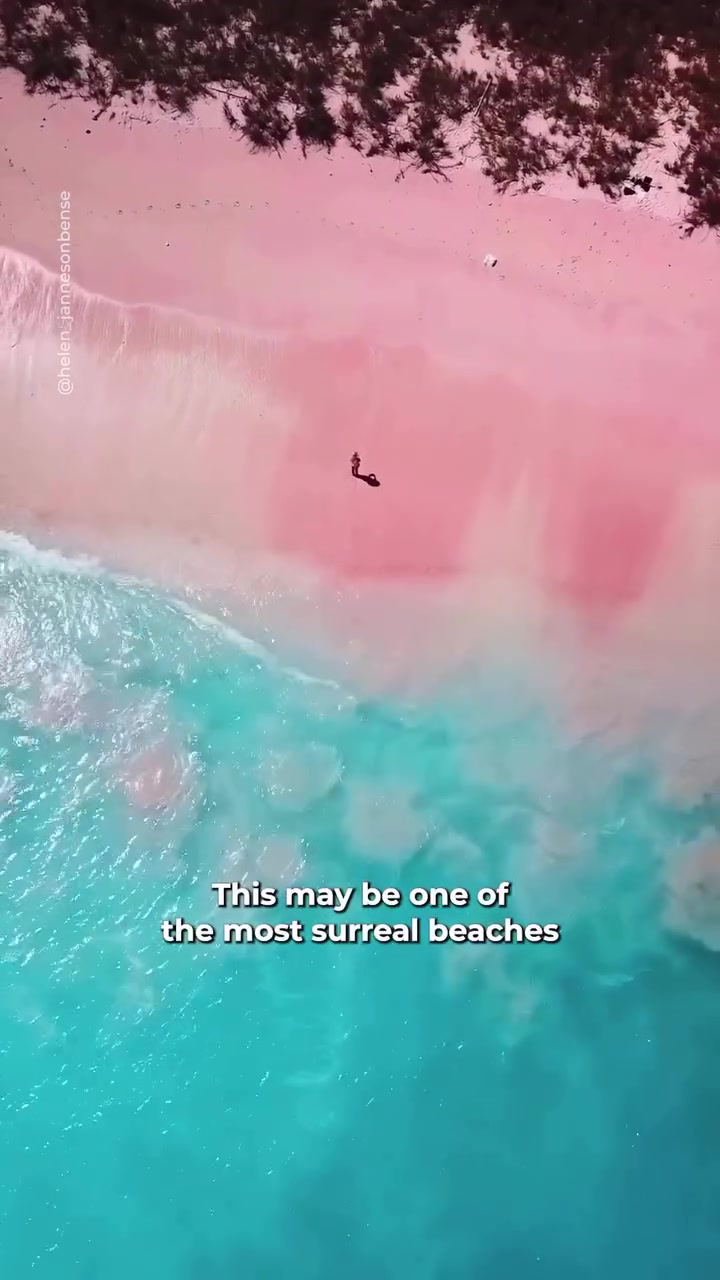
Pink Beach, a surreal seaboard found within the Komodo National Park in Indonesia, showcases sand in a cotton candy hue. Many beaches have white or golden sand, but few boast a pink palette. It's almost too surreal to believe.
Pink Beach: Komodo's Rosy Ribbon
The pink sand strangely alluring. Red coral fragments, from tiny organisms called Foraminifera, create this color. The pink hue comes from microscopic creatures with red or pink-cased bodies. Their shells are mixed into fine white sand, making this beach look like a scene from a fairy tale. Komodo National Park’s beaches are known not for their pink sand, but Foraminifera are not unique to Pink Beach — they're found across the islands. This unique phenomenon has created a rosy hue that stands out against the water and foliage. Pink Beach’s sweep of pink sand draws visitors with its beauty. It is surrounded by lush greenery, turquoise water, and coral reefs. Pink Beach’s beauty extends below the surface. The beaches are hotspots for diving and snorkeling. Popular coral reefs such as the Coral Triangle teem with marine biodiversity. Tropical fish and vibrant corals greet visitors.
Tropical eerie or marvel?
An increasing number of visitors seek out Pink Beach, raising questions over tourism. Beachgoers disturb marine ecosystems due to waste or littering, but they also need to enjoy this unique sand. This delicate balance makes Pink Beach a test case for sustainable tourism. This unique location presents both a problem and an opportunity. While the beach's popularity contributes to environmental concerns, its allure is uniquely Indonesian. Most Indonesian tourists are drawn by the country's natural beauty and cultural heritage. With Pink Beach as an iconic destination, Indonesia can present a test case of sustainable tourism. Pink Beach may expand opportunities for local enterprises. It could increase local ecotourism revenue, protecting the environment and supporting the economy. This experience, however, does not come without risk. Tourism brings contamination and possible destruction to delicate ecosystems such as Pink Beach. Foraminifera populations will face threats from visitors' invasive behaviors such as trampling the sand and shells. Their overcrowding can cause sudden alterations in local climates. Protecting Pink Beach, Indonesia’s coral ecosystem, and the Foraminifera requires a travel culture of responsible tourism.
The Origins of Pink Beach
Pink Beach’s coloring comes from tiny, red-cased organisms called Foraminifera. They are marine protists that live in the ocean and have a hard outer shell. Foraminifera are known to be found in shallow waters of tropical coral reefs. They diversify the marine ecosystem and contribute to its overall biodiversity. Foraminifera are coral-dwelling organisms that come in a variety of shapes and sizes. Most Foraminifera live in symbiotic relationships with coral reefs, which can provide shelter and protection. Their relationship with the coral reef can be beneficial, but they can also cause harm. In the case of Pink Beach, Foraminifera have been beneficial. They have contributed to the ecosystem's health and diversity.
Fresh Foraminifera Facts
Foraminifera thrive near Komodo National Park. It's good news for Pink Beach. The park has restricted areas for conservation and sustainability, so Foraminifera thrive. Foraminifera presence further helps coral reefs' biodiversity. They provide food and habitat for a number of marine species, such as sea cucumbers, sea turtles, and sharks.
Risks to the Pink Beach
Foraminifera face threats from animals such as sea cucumbers that eat them and environmental changes. Komodo National Park’s Foraminifera are vulnerable to changes in water temperature and salinity. The vast majority of the coral in the park is made up of staghorn and table coral; however, environmental changes can cause these corals to bleach. These environmental changes also have dire consequences for the biodiversity of the reefs.
Pink Beach Touring Tips
Pink Beach should be enjoyed and preserved. The delicate Foraminifera and coral reefs need to be respected. To enjoy Pink Beach, Indonesia: *Arrive Early: Plan your visit for early morning or just before sunset, as this is when the beach is less crowded.
- Stay Respectful: Keep a safe distance from the coral and avoid stepping on any marine life, including the tiny Foraminifera.
- Bring Rubbish Bags: Use them if you conduct any beach cleanup.
- Reef-Friendly Sunscreen: Use reef-safe sunscreen to protect the coral reefs from harmful chemicals.
- Stay Hydrated: This is a tropical area, and hydration is important: bring water and a hat.
Closing Thoughts
Pink Beach’s rosy hue has been a marvel. What makes the experience uniquely Indonesian is that Pink Beach is both natural and supernatural. The reefs' unique beauty comes from a delicate balance of nature and fungi. To preserve Pink Beach while increasing tourist seasons, the Indonesian government needs to manage tourism sustainably. This must be done to protect Pink Beach.
Watch the Reel
Questions readers ask
What causes the pink color of Pink Beach's sand?
The pink sand at Pink Beach is due to tiny, red-cased marine organisms called Foraminifera. These microscopic creatures, which are a type of marine protist, have shells that mix with the white sand, giving the beach its distinctive rosy hue. They are found in the shallow waters of tropical coral reefs, and their presence contributes to the overall biodiversity of the ecosystem.
How does tourism impact Pink Beach?
Tourism at Pink Beach brings both benefits and challenges. While it draws visitors and can boost local ecotourism revenue, it also poses threats to the delicate marine ecosystem. Visitors can inadvertently disturb the Foraminifera and coral reefs through activities like littering, trampling, and overcrowding, which can alter the local climate and harm the organisms that give the beach its unique color.
What makes Pink Beach a unique destination for diving and snorkeling?
Pink Beach is a hotspot for diving and snorkeling due to its vibrant coral reefs and rich marine biodiversity. The beach is part of the Coral Triangle, known for its abundance of tropical fish and vibrant corals. This makes it an extraordinary experience for underwater explorers.
Can I visit Pink Beach independently, or do I need a guide?
To visit Pink Beach, you typically need to arrange a tour or charter a boat, as it is located within Komodo National Park. Guided tours are recommended not only for navigation but also to ensure responsible tourism practices. This helps protect the delicate ecosystem and ensures a safe and enjoyable experience.
How does Pink Beach compare to other beaches in Komodo National Park?
While Komodo National Park has many beautiful beaches, Pink Beach stands out due to its unique pink sand. Other beaches in the park may have white or golden sand, but the rosy hue of Pink Beach is truly one of a kind. The park's beaches are known for their natural beauty and biodiversity, but Pink Beach's distinctive color makes it a must-see destination.
Are there any other beaches with pink sand in the world?
While Pink Beach is one of the most famous, there are a few other beaches around the world with pink sand, such as Harbour Island in the Bahamas and Pink Sand Beach in Bermuda. However, the pink sand at Pink Beach is particularly notable for its vibrant color and the unique marine ecosystem that creates it.
What can I do to help preserve Pink Beach during my visit?
To help preserve Pink Beach, practice responsible tourism. Avoid littering, do not trample on the sand or coral, and respect the local environment. Following guidelines from your tour guide or local authorities can ensure that the beach remains pristine for future visitors and that the Foraminifera and coral reefs thrive.
Related deep dives
Similar reads based on topic and creator.



Recent articles
Fresh deep dives from the latest Reels we unpacked.



Comments
Be the first to comment.