Unidentified Aerial Phenomena
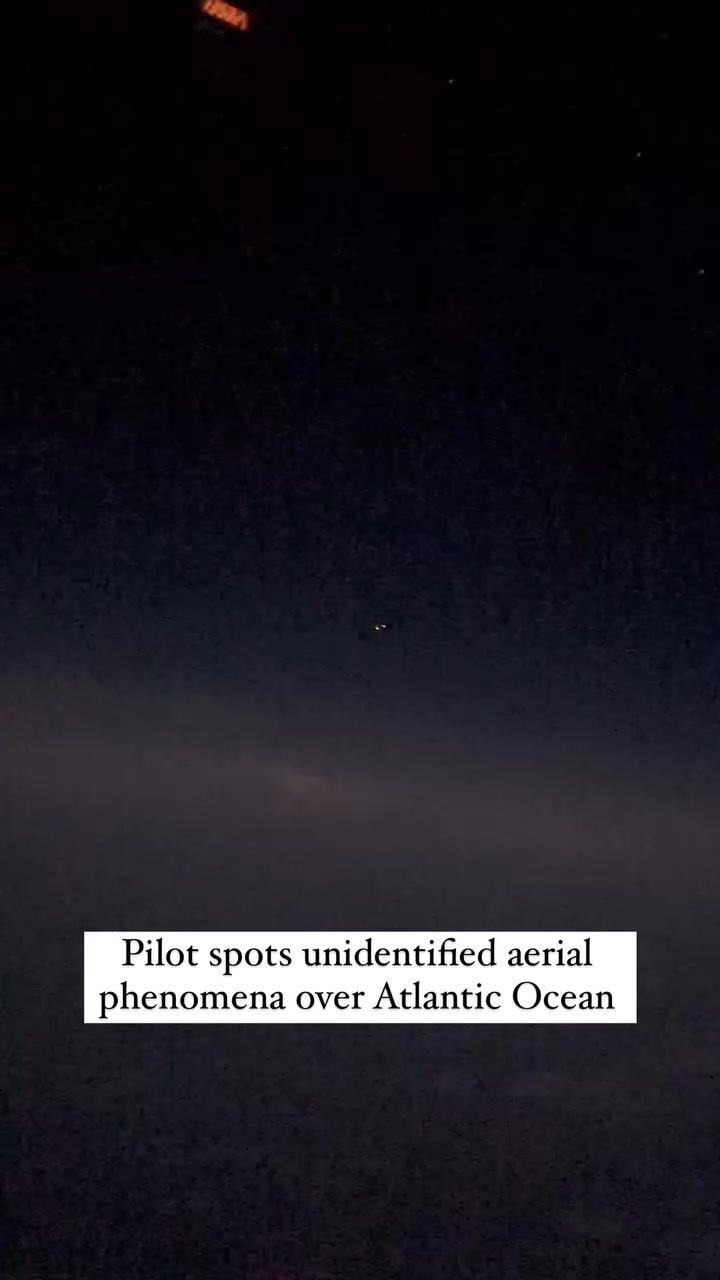
UFO sightings have long captivated the public imagination, and recently recorded phenomena have reignited interest. A pilot recently reported spotting unidentified aerial phenomena over the Atlantic Ocean, sparking curiosity and speculation. The phenomenon appears as faint lights in a dark night sky, with the video quality being too low to discern further details.
Unidentified Aerial Phenomena: A Historical Context
Unidentified aerial phenomena (UAPs) are observations of objects or lights in the sky that cannot be immediately identified. These sightings have been documented throughout history, with many high-profile cases gaining popularity in recent years. The most well-known UFO sightings include the 1947 Roswell incident, the 1948 Monroe, Michigan, sightings, the 1952 Washington, D.C., sightings, and the 1965 Kecksburg, Pennsylvania, incident. More recently, the 2004 Nimitz encounter and the 2017 Tic Tac UFO sightings have garnered significant attention, along with the Pentagon's confirmation of UAP sightings by military personnel.
Why This Matters
The recent spike in UAP sightings and official acknowledgments has brought renewed interest in the subject. Governments worldwide have started to take these sightings more seriously, establishing task forces and committees to investigate these phenomena. The United States, for example, has established the All-domain Anomaly Resolution Office (AARO) to investigate these sightings. The shift in perspective from dismissing UFO sightings as hoaxes to acknowledging them as something worthy of investigation is a significant change.
Recent Sightings and Their Significance
The recent sighting by a pilot over the Atlantic Ocean adds to the growing list of unexplained aerial phenomena. While the visuals are grainy and dark, making it hard to discern the nature of the lights, the sighting is noteworthy for several reasons.
The Atlantic Ocean: A Hotspot for Sightings
The Atlantic Ocean has long been a hotspot for UFO sightings, with many reports of unexplained aerial phenomena occurring in this region. The vast expanse of water and the relative lack of human activity make it an ideal location for unidentified objects to go unnoticed. However, with advances in technology and increased surveillance, more sightings are being reported and documented.
The Role of Pilots in UFO Sightings
Pilots are often the first to report UFO sightings, given their unique vantage point and the vast areas they cover during flights. The recent sighting by a pilot over the Atlantic Ocean is a testament to this. Pilots are trained to observe and report any unusual or unexplained phenomena they encounter during their flights, making them valuable contributors to the study of UAPs.
Analyzing the Recent Sighting
The recent sighting by a pilot over the Atlantic Ocean, while intriguing, is not the first of its kind. There have been several reported sightings of unidentified aerial phenomena in this region, and the recent sighting adds to the growing body of evidence. While the visuals are grainy and dark, making it hard to discern the nature of the lights, the sighting is noteworthy for several reasons.
The Challenges of Investigating UAPs
Investigating UAPs presents several challenges, primarily due to the lack of concrete evidence. Many sightings are based on visual observations, which can be subjective and difficult to verify. Additionally, the vast expanse of the Atlantic Ocean and the lack of human activity make it difficult to track and investigate these phenomena. However, with advances in technology and increased surveillance, more sightings are being reported and documented, providing valuable data for researchers to analyze.
The Importance of Documenting Sightings
Documenting UFO sightings is crucial for advancing our understanding of these phenomena. The recent sighting by a pilot over the Atlantic Ocean is a testament to this. While the visuals are grainy and dark, making it hard to discern the nature of the lights, the sighting provides valuable data for researchers to analyze. By documenting and studying these sightings, we can gain a better understanding of these phenomena and their potential implications.
Practical Tips for Witnessing and Reporting UFOs
If you're interested in witnessing and reporting UFOs, here are some practical tips to help you get started:
Being Prepared
If you're interested in witnessing and reporting UFOs, it's essential to be prepared. This means having the right equipment, such as a camera or binoculars, and knowing how to use it. Additionally, it's important to be in a location with a clear view of the sky and to be aware of any potential obstacles that could obstruct your view.
Knowing What to Look For
When witnessing and reporting UFOs, it's essential to know what to look for. This includes unusual patterns or movements in the sky, lights that don't follow conventional flight paths, or objects that appear and disappear suddenly. By being aware of these signs, you can increase your chances of witnessing and reporting a UFO sighting.
Documenting Your Sighting
If you witness a UFO, it's essential to document the sighting as thoroughly as possible. This includes taking notes on the date, time, and location of the sighting, as well as any relevant details about the object itself, such as its shape, size, and color. Additionally, it's helpful to take photos or videos of the sighting, as these can provide valuable evidence for researchers to analyze.
Reporting Your Sighting
Once you've documented your UFO sighting, it's essential to report it to the appropriate authorities. This can include local law enforcement, the military, or organizations dedicated to studying UFOs, such as the Mutual UFO Network (MUFON). By reporting your sighting, you can contribute to the growing body of evidence and help advance our understanding of these phenomena.
Important Takeaways
The recent sighting by a pilot over the Atlantic Ocean adds to the growing body of evidence for unidentified aerial phenomena. While the visuals are grainy and dark, making it hard to discern the nature of the lights, the sighting is noteworthy for several reasons. By documenting and studying these sightings, we can gain a better understanding of these phenomena and their potential implications.
Additionally, the recent sighting highlights the importance of documenting and reporting UFO sightings. By being prepared, knowing what to look for, and documenting your sighting thoroughly, you can contribute to the growing body of evidence and help advance our understanding of these phenomena.
Conclusion
UFO sightings have captivated the public imagination for decades, and the recent sighting by a pilot over the Atlantic Ocean is no exception. While the visuals are grainy and dark, making it hard to discern the nature of the lights, the sighting is noteworthy for several reasons. By documenting and studying these sightings, we can gain a better understanding of these phenomena and their potential implications.
Watch the Reel
Questions readers ask
What are unidentified aerial phenomena (UAPs)?
UAPs are objects or lights observed in the sky that remain unidentified after careful examination. These phenomena can appear as strange lights or objects that don't correspond to any known aircraft or natural occurrences. Reports of these sightings often stimulate curiosity and investigation.
Why are recent UAP sightings, like the one reported over the Atlantic, significant?
Recent UAP sightings are significant because they indicate a growing trend of these phenomena being taken more seriously by governments and investigators. The pilot's report over the Atlantic, in particular, has drawn attention to the need for further exploration and understanding of these unexplained events and the need for more thorough documentation.
What are some of the most notable historical UFO sightings?
Some of the most notable historical UFO sightings include the 1947 Roswell incident, where an object of unknown origin crashed in New Mexico, and the 1952 Washington, D.C. UFO incident, where multiple radar stations detected unidentified objects in the sky. These events, along with many others, have contributed to the enduring fascination with unexplained aerial phenomena.
Why are UAP videos often low in quality?
UAP videos are often low in quality because these phenomena are typically spotted unexpectedly and under challenging conditions, such as at night or from a moving vehicle. Additionally, the unpredictable nature of UAPs makes it difficult to capture clear, high-quality footage, which is why such videos are often grainy and indistinct.
What is the current status of government involvement in UAP investigations?
Government involvement in UAP investigations has been increasing in recent years. Many governments have established official programs to collect and analyze UAP reports, reflecting a growing recognition of the need for systematic and thorough investigation. This shift is driven by the potential implications of these phenomena for national security and public safety.
What steps can pilots take if they spot unexplained lights in the sky?
If a pilot spots unexplained lights in the sky, the first step is to document the sighting as thoroughly as possible. This includes recording any available details, such as the time, location, and appearance of the phenomenon. Pilots should also report the sighting to the appropriate authorities, such as the Federal Aviation Administration, to contribute to the growing body of data on UAPs.
Related deep dives
Similar reads based on topic and creator.

Recent articles
Fresh deep dives from the latest Reels we unpacked.




Comments
Be the first to comment.