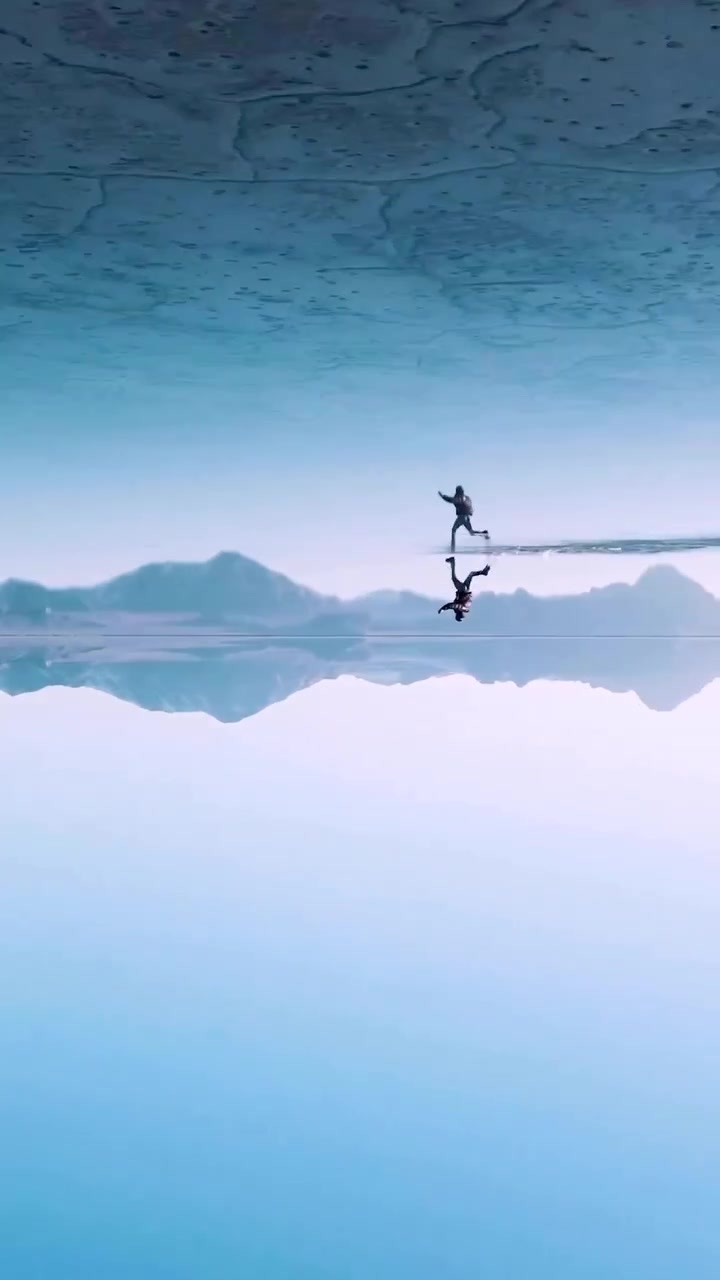
A lone figure strides across the smooth surface of a tranquil lake, leaving no ripple, no disturbance in the mirror-like reflection. In the background, mountains loom serenely. But the trick is not magic. It’s about the right environment, an aligning of sunlight and a low-angle camera.
The Art of Walking on Water
Walking on water is more than a supernatural feat in the video. It's an illusion. As the camera captures the person moving over the water, the low angle makes it seem as if they are truly defying gravity. In the video, a hazy sky bathes the scene in a soft light, adding to the deceptive serenity. This illusion is a visual sleight-of-hand. It requires careful alignment of the water surface, the person, and the camera. A smooth, glassy body of water acts as a perfect mirror, reflecting the sky and lands perfectly. There are no ripples to break the illusion. The distant mountains act as an anchor, giving depth and a sense of the vast uninterrupted water surface.
The Atmosphere Is Part of the Trick
The visual trick of walking on water has been around for centuries; think of pioneer photographers staging similar illusions. It's popular in digital photography and video today as a way to add visual intrigue and complexity. The sun at a low position and the hazy sky act as a key part of this technique. This illusion serves as a reminder of the power of nature and the beauty of small-scale illusions. It offers a visual escape, transporting viewers into a serene world where the impossible seems possible. The hazy sky heightens the tranquility of the overall experience. The illusion of walking on water challenges viewers to reevaluate their perceptions and question what they see. It’s not a trick meant to deceive, rather a visual experience that invites wonder and amazement. One viewer commented that the scene reminded them of a painting, and the visual data confirms it. The reflection illusion evokes the calm of a serene painting. However, during the day, the sun will affect the reflection. Reflecting the sunlight is part of the experience, while the mountains in the background give the scene a well-written frame.
The Perfect Body of Water
Fewer ripples mean a clearer reflection. The smooth surface of a calm lake makes the illusion more convincing. The key visual elements at play are calm, reflective water, a hazy sky, and distant mountains. A lake or pond with mirrored glass surfaces helps the illusion pop. The key point here is to choose a spot that is unaffected by wind or external disturbances, which can mar the reflection.
The Divergent Path
A reflection in a dark body of water can create a mysterious and intriguing atmosphere. In this instance, though, the effect is evoked by the hazy sky. They add a layer of mystery and intrigue, but also a serene quality that makes the illusion more believable.
The Camera Angle
The lower the camera, the more it emphasizes the reflection. Capturing the subject’s reflection from a low angle intensifies the illusion. The hazy sky in the frame contributes to the overall visual, while the distant mountains anchor the scene.
Practical Advice for Capturing the Perfect Reflection
- Location: Choose a spot with calm, reflective water — a lake or pond is ideal. Use reflections from the sky and surrounding landscapes to enhance the visual impact.
- Camera Setup: A low camera angle captures the reflection most effectively, enhancing the illusion of walking on water.
- Weather: The sky radiates a serene and dreamlike atmosphere. The best results come from a clear, non-clouded sky.
A Deep Dive Reflective of Nature
Environmental photography and videography is a powerful tool. There are many types of illusions one can create. Walking on water is just one example of what’s possible with the right tools and tricks. Reflection photography offers a serene and dreamy atmosphere.
Watch the Reel
Questions readers ask
What causes the person to appear as if they are walking on water in the video?
The illusion is created by a combination of factors: a smooth, reflective water surface, a low-angle camera, and the right lighting conditions. The water acts as a mirror, reflecting the sky and distant mountains, while the camera angle makes it seem like the person is walking on the surface of the water.
How does the placement of the sun and the camera impact the illusion?
The sun needs to be at a low position to create the right lighting, and the camera must be positioned low to the ground. This setup ensures that the reflection of the sky and surroundings is perfectly captured, making the illusion of walking on water convincing.
Can this illusion be recreated with any body of water, or are there specific requirements?
The illusion works best with a calm, reflective body of water, like a lake or pond, with minimal ripples. Wind or other disturbances can ruin the effect, so choosing a spot that is unaffected by external factors is crucial.
What role do the distant mountains play in the illusion?
The distant mountains provide a sense of depth and scale, making the water surface appear vast and uninterrupted. They act as an anchor, enhancing the overall visual and making the illusion more believable.
If the sky is hazy, does it enhance or diminish the illusion?
A hazy sky enhances the illusion by adding a serene and tranquil quality to the scene. It also contributes to the soft, calming light that bathes the scene, making the illusion more visually appealing.
Can this illusion be recreated in a dark body of water?
Yes, but the effect will be different. A dark body of water can create a mysterious and intriguing atmosphere. However, the hazy sky and distant mountains are key elements in the original illusion, so the overall visual will vary.
Is this illusion a modern invention, or has it been done before?
This illusion has been around for centuries, with pioneer photographers staging similar tricks. It's a popular technique in digital photography and video today, used to add visual intrigue and complexity to scenes.
Related deep dives
Similar reads based on topic and creator.


Recent articles
Fresh deep dives from the latest Reels we unpacked.
Comments
Be the first to comment.