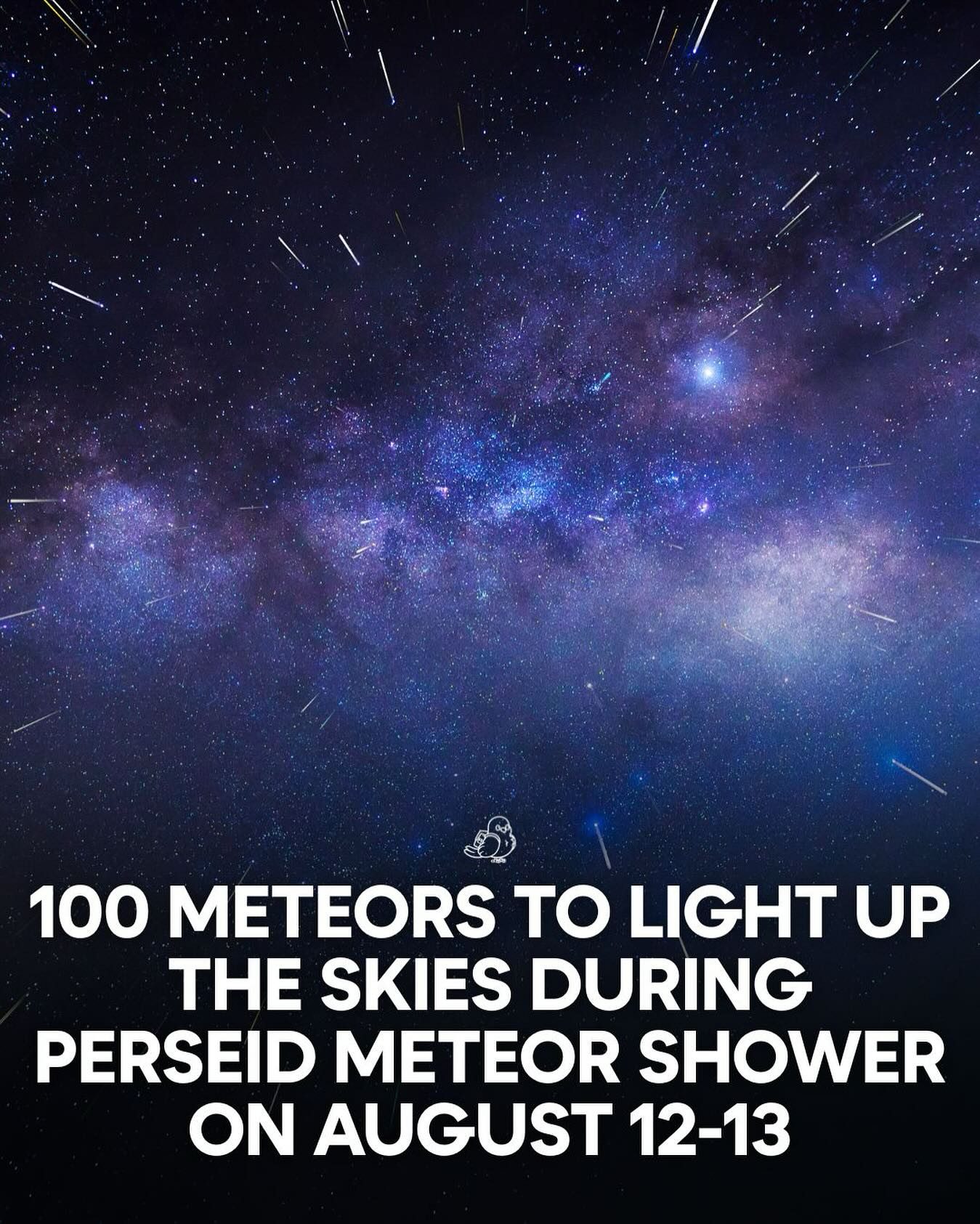
The Perseid meteor shower is an annual celestial event that lights up the night sky with stunning displays of shooting stars. This year, the shower is set to peak on the nights of August 12 and 13, making it a perfect time for stargazing enthusiasts to witness up to 100 meteors per hour.
Why this matters
The Perseid meteor shower is a remarkable natural phenomenon that offers a unique opportunity to witness the beauty of the cosmos. This event is more than just a visual spectacle; it's a chance to connect with the universe and appreciate the wonders of the night sky. The Perseids are particularly popular because they are one of the most reliable and beautiful meteor showers of the year, making it a perfect event for both seasoned astronomers and casual stargazers.
Main discussion
What are the Perseids?
The Perseid meteor shower occurs when Earth passes through the debris trail left by the comet 109P/Swift-Tuttle. As the comet orbits the sun, it sheds small particles that enter Earth's atmosphere, creating the stunning streaks of light we see in the sky. These particles, or meteoroids, are typically no larger than a grain of sand, but they burn up in the atmosphere at speeds of up to 110,000 miles per hour, creating bright, fast-moving streaks of light.
Origins and characteristics
The Perseids are named after the constellation Perseus, from which the meteors appear to radiate. This radiant effect is an optical illusion created by the perspective of the observer. The actual meteors can appear anywhere in the night sky. The Perseids are known for their bright, fast streaks and occasional fireballs, which are particularly bright meteors that can leave a trail of light behind them. These fireballs add an extra element of excitement to the viewing experience.
Viewing tips
To make the most of the Perseid meteor shower, plan your viewing location and timing carefully. Find a dark, open area away from city lights, as light pollution can significantly reduce the number of visible meteors. The best time to look for meteors is after midnight until just before dawn, when the radiant point is highest in the sky. No telescope or binoculars are needed for viewing; your eyes are enough to enjoy the show.
Best locations
The Perseids are best seen in the Northern Hemisphere. Some of the best locations for viewing include:
- National parks and forests
- High elevations, such as mountaintops or ski resorts
- Remote beaches or lakes
- Campgrounds and open fields
Optimal conditions
For the best viewing experience, give your eyes 20-30 minutes to adjust to the dark. Lie back or use a reclining chair for comfort, and check the moon phase. A darker sky, free from moonlight, makes fainter meteors easier to spot. If the moon is full or nearly full, consider a spot where trees or buildings can block the moonlight.
Practical tips
Prepping for the event
Before you head out to watch the Perseids, make sure you are well-prepared. Dress in warm layers, as temperatures can drop significantly overnight. Bring a blanket or sleeping bag, as well as snacks and water to stay comfortable during your viewing session. A reclining chair or portable lounger can also enhance your comfort, allowing you to enjoy the show without straining your neck.
Photography tips
If you're interested in capturing the Perseids with a camera, a tripod and a camera with manual settings are essential. Set your camera to a long exposure and use a wide-angle lens to capture as much of the sky as possible. Experiment with different shutter speeds and ISO settings to find the best balance between capturing the meteors and minimizing noise. Patience is key, as meteor photography often involves waiting for the right shot.
Common mistakes to avoid
Avoid looking at bright lights, including your phone screen, while your eyes are adjusting to the dark. Bright lights can temporarily blind you, making it difficult to see faint meteors. Additionally, avoid viewing from areas with significant light pollution, as this can obscure the beauty of the meteor shower.
Important takeaways
- Timing: The Perseid meteor shower peaks on August 12 and 13, with the best viewing times between midnight and dawn.
- Location: Choose a dark, open area away from city lights for optimal viewing.
- Preparation: Dress warmly, bring supplies, and give your eyes time to adjust to the dark.
- Photography: Use a tripod and long exposure settings to capture the meteors on camera.
Conclusion
The Perseid meteor shower is a natural phenomenon that offers a unique opportunity to witness the beauty of the night sky. With up to 100 meteors per hour visible during its peak, it's a perfect event for both seasoned astronomers and casual stargazers. By planning your viewing location and timing carefully, you can enjoy a stunning display of shooting stars and connect with the universe in a meaningful way. Whether you're a solo stargazer or sharing the experience with friends and family, the Perseid meteor shower is an event not to be missed.
Watch the Reel
Questions readers ask
What causes the Perseid meteor shower?
The Perseid meteor shower occurs when Earth passes through debris left behind by the comet Swift-Tuttle. The debris enters Earth's atmosphere, creating the visible streaks of light known as meteors.
When is the best time to see the Perseid meteor shower in 2023?
The Perseid meteor shower reaches its peak on the nights of August 12 and 13, 2023. During this time, viewers can expect to see up to 100 meteors per hour under optimal conditions.
Why is the Perseid meteor shower so popular?
The Perseid meteor shower is known for its reliability and the high number of visible meteors it produces. It also occurs during the summer months in the Northern Hemisphere, making it accessible for many stargazers.
How can I maximize my viewing experience of the Perseid meteor shower?
To enhance your viewing experience, find a dark sky location away from city lights. Allow your eyes to adjust to the darkness for about 20-30 minutes. Lay back and look up at the sky, taking in as much of the sky as possible.
What is the difference between a meteor and a fireball?
A meteor is a visible streak of light caused by a small particle entering Earth's atmosphere. A fireball is a particularly bright meteor, often brighter than the planet Venus.
Can the Perseid meteor shower be seen from the Southern Hemisphere?
Yes, the Perseid meteor shower can be seen from the Southern Hemisphere, but the viewing experience is not as impressive as in the Northern Hemisphere. The radiant point of the shower is lower in the sky, resulting in fewer visible meteors.
Do I need any special equipment to view the Perseid meteor shower?
No special equipment is required to view the Perseid meteor shower. The naked eye is the best tool for viewing meteors. Binoculars or telescopes are not recommended as they narrow the field of view.
Related deep dives
Similar reads based on topic and creator.


Recent articles
Fresh deep dives from the latest Reels we unpacked.




Comments
Be the first to comment.