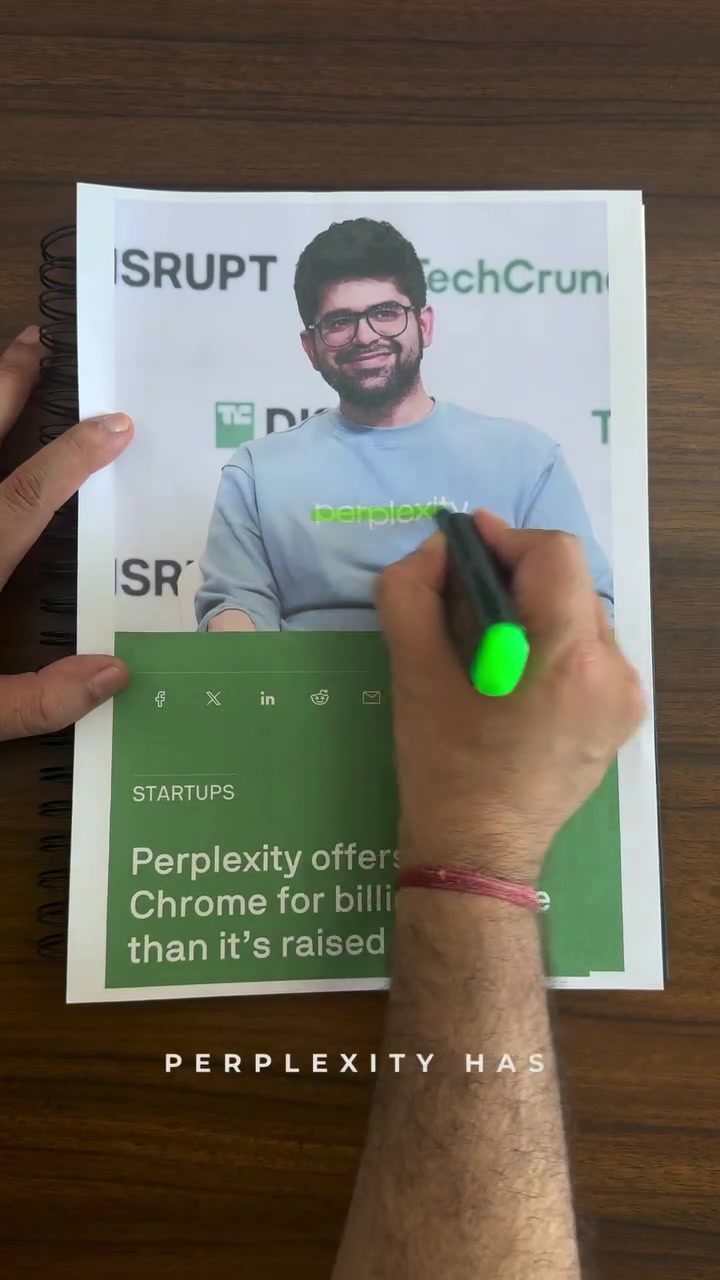
Perplexity's Bid for Google Chrome: The Strategic Play for the Internet Gateway
Context: Why this matters
Perplexity, a 3-year-old startup valued at $18 billion, has made headlines with a bold move: a $34.5 billion bid to acquire Google Chrome. This isn't just a numbers game—it's a strategic play to control the front door to the entire internet. To understand the significance, let's delve into the dynamics of search engines, browsers, and content distribution.
The Power of Browsers
Browsers like Google Chrome have a profound influence on the digital landscape. They dictate the search engine you use, the content you consume, and the advertisements you see. When you open a browser, it's not just a tool for accessing websites; it's a gateway that shapes your online experience. This is precisely why Perplexity is making this move.
Search Engine Dominance
A browser's influence starts with the search engine it defaults to. Google Chrome, for instance, primarily uses Google as its default search engine. This means that every time you open Chrome and start a search, you're engaging with Google's algorithms and advertisements. This default setting is a powerful tool for controlling user behavior and monetizing through ads.
Content and Advertisement Control
Beyond search, browsers also influence what content you consume and how ads are delivered. The intelligence built into browsers tracks your browsing habits, tailoring content recommendations and ads to your preferences. This level of control is what makes browsers a coveted asset in the digital world.
Perplexity's Strategic Vision
Perplexity, already a player in the search engine arena, understands that the future battles won't be simply about building better AI models. The real fight is about owning the distribution channels—primarily the browsers that control how users access and interact with the internet.
The Gateway to the Internet
Perplexity’s bid for Google Chrome is a bet on becoming the biggest gateway to the internet. By owning the browser, Perplexity aims to control the entry point for users, influencing their search queries, content consumption, and ad experiences. This control extends beyond just the search engine; it encompasses the entire user experience, from the moment they open the browser to every click and scroll.
Perplexity sees this acquisition as a way to leapfrog ahead in the content distribution game. It's not just about building a better search tool but about being the gatekeeper of the entire digital experience.
How Does It Impact Content Consumption?
Content Distribution
The browser's role in content distribution is often overlooked. It tracks your browsing habits, making recommendations and serving ads based on your behavior. This level of personalization means that whichever website you visit, the browser’s intelligence influences what you see and how it’s presented. Perplexity’s plan to own this distribution channel could revolutionize how content is delivered and consumed online.
The Future of Browser Intelligence
Browsers are evolving into intelligent tools that predict and influence your online behavior. They remember your preferences, adjust search results, and personalize content recommendations. As this intelligence grows, so does the importance of owning the browser. Perplexity’s bid highlights the strategic importance of these tools and their role in shaping the future of the internet.
Practical Tips
Understanding the strategic significance of browsers offers practical insights for both users and businesses.
For Users
If you're a user, being mindful of your browser settings can offer more control over your online experience. Here are some tips:
- Adjust Default Search Engines: Don’t rely on the default search engine. Explore and switch to alternatives that might align better with your preferences.
- Manage Privacy Settings: Take control of your browsing data. Use privacy settings to limit how much data is tracked and used for personalization.
- Diversify Content Sources: Don’t let the browser dictate your content consumption. Actively seek out a variety of sources to broaden your perspective.
For Businesses
For businesses, the strategic importance of browsers means you need to consider:
- SEO and Browser Optimization: Tailor your SEO strategies to account for different browsers and their unique algorithms.
- Content Distribution Partnerships: Explore partnerships with browsers to ensure your content is well-distributed and visible.
- User Data Insights: Leverage the insights provided by browser intelligence to refine your digital marketing strategies.
Important Takeaways
Perplexity’s bold move to acquire Google Chrome underscores the strategic importance of browsers in the digital landscape. Here are the key takeaways:
- Search Engine Influence: Browsers like Google Chrome influence the search engine you use, shaping your entire online experience.
- Content and Ads: Browsers control what content you see and how ads are delivered, making them powerful tools for user behavior manipulation.
- Future of Digital Distribution: The future of content distribution lies in owning the gateway to the internet—primarily the browsers.
- Perplexity's Strategic Play: Perplexity’s bid is not just about acquiring a browser; it’s about controlling the front door to the entire digital world.
Conclusion
Perplexity’s bid for Google Chrome is a strategic move aimed at controlling the gateway to the internet. By owning the browser, Perplexity aims to influence everything from search queries to content recommendations and ad experiences. This move highlights the growing importance of browsers in the digital landscape and underscores the strategic value of owning these tools. Whether Perplexity succeeds in this ambitious venture remains to be seen, but one thing is clear: the future of digital content distribution is in the hands of those who control the browsers.
Watch the Reel
Questions readers ask
What is the significance of Perplexity’s bid for Google Chrome?
Perplexity's bid for Google Chrome is a strategic move to control a major gateway to the internet. By acquiring Google Chrome, Perplexity would gain influence over how users access and interact with online content, potentially redirecting search engine usage and ad views.
How does a browser like Google Chrome influence online experiences?
Browsers like Google Chrome have a profound influence on the digital landscape. They determine the search engine you use, the content you consume, and the advertisements you see. By controlling a browser, a company can shape how users interact with the internet.
What is Perplexity's strategy with this acquisition?
Perplexity's strategy involves gaining control over a significant portion of the internet gateway. By acquiring Google Chrome, Perplexity aims to influence search engine distribution, content consumption, and advertising, thereby controlling a large part of the online experience.
Why is the browser market so important?
The browser market is crucial because it dictates how users access and navigate the internet. Browsers control the search engine users rely on, the content they see, and the advertisements they interact with, making them a vital part of the online ecosystem.
How might this acquisition impact user interactions?
This acquisition could significantly impact user interactions by redirecting them to Perplexity’s search engine and influencing the content and ads they encounter. Users might experience a shift in their online habits and the information they consume.
What are the potential challenges for Perplexity in acquiring Google Chrome?
There are several challenges, including regulatory hurdles, user acceptance, and technical integration. Additionally, Google might not be willing to sell Chrome, and there could be resistance from users who are accustomed to Google Chrome's interface and features.
Related deep dives
Similar reads based on topic and creator.




Recent articles
Fresh deep dives from the latest Reels we unpacked.




Comments
Be the first to comment.