Penguins in Antarctica: Curiosity in the Coldest Place on Earth
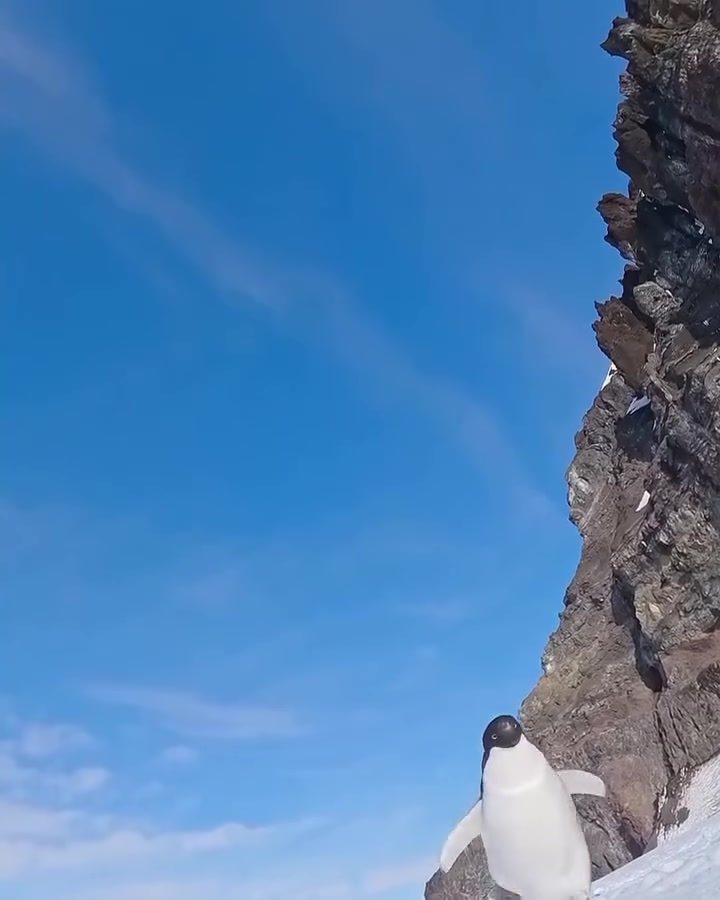
The Antarctic penguin, a champion of curiosity, is among the planet's most intriguing species. Known for their playful nature and fearless approach to investigating new objects, penguins in this frozen landscape offer a unique glimpse into wildlife behavior. A recent sighting showcased a penguin's bold interaction with a camera, placed there by researchers to study movement and behavior.
Why This Matters
Penguins are an important part of the Antarctic ecosystem, and their curious nature makes them a fascinating subject for scientists. By understanding their behavior, researchers can gain insights into broader ecological patterns and the potential impacts of environmental changes. These interactions also shed light on the unique adaptations that allow penguins to thrive in such a harsh environment.
Curiosity and Adaptation
Penguins are not only curious but also highly adaptable. Their ability to investigate and interact with new objects, such as cameras, highlights their resilient and inquisitive nature. This curiosity is crucial for their survival, as it helps them explore their environment and adapt to new challenges.
Survival in Extreme Conditions
Antarctica is one of the most remote and inhospitable environments on Earth. The extreme cold, strong winds, and scarcity of resources present significant challenges for any living organism. Penguins have evolved unique adaptations to thrive in this environment, including dense feathers that provide insulation, streamlined bodies for efficient swimming, and a specialized diet that helps them conserve energy.
The Role of Curiosity
Curiosity plays a vital role in the survival of these animals. By exploring their surroundings, penguins can discover new food sources, navigate potential hazards, and even find safer breeding grounds. Their interactions with objects like cameras provide scientists with valuable data on how these birds adapt to new challenges and how they might respond to changes in their environment.
Playful Behavior
Penguins are also known for their playful behavior, which often includes interacting with unusual or new objects. This playfulness can serve multiple purposes, such as social bonding, practice for hunting and fighting, and stress relief. In the context of a camera, this playful interaction offers both entertainment and scientific value.
Social Bonding
Pregnant penguins often engage in playful interactions with their mates and other members of their group. This bonding is crucial for their social structure and survival. Playful interactions can strengthen social bonds, helping penguins stay calm and focused.
Stress Relief
Engaging in playful behavior can also provide stress relief for penguins. In a harsh environment like Antarctica, cognitive activities can help reduce stress and improve mental well-being. Playful interactions with new objects, such as cameras, can serve as a form of mental stimulation and stress relief, contributing to the overall health and resilience of these animals.
Research and Conservation
Researchers often place cameras on the Antarctic ice to study penguin behavior, movement, and survival. These cameras provide valuable data that can be used to understand the needs and challenges that penguins face.
Behavioral Studies
Cameras placed in the Antarctic allow researchers to observe penguin behavior in their natural habitat. By analyzing the footage, scientists can gain insights into how penguins interact with their environment, how they adapt to new objects, and how they respond to changes in their surroundings. This information is crucial for developing conservation strategies that can protect these animals and their habitats.
Conservation Efforts
Understanding penguin behavior and adaptations is essential for developing effective conservation strategies. By studying their interactions with new objects, researchers can gain insights into how these animals might respond to changes in their environment, such as climate change or new threats. This information can be used to develop strategies that help protect penguins and their habitats, ensuring their survival in the face of ongoing environmental changes.
Practical Tips for Observing Penguins
For those interested in observing penguins, there are a few practical tips to keep in mind. These tips can help ensure that your observations are both safe and respectful of the animals.
Respect Wildlife
Always maintain a safe and respectful distance from penguins. This not only ensures your safety but also the well-being of the animals. Avoid approaching too closely or disturbing their natural behavior. The use of binoculars or a camera with a zoom lens can help you get a closer look without getting too close.
Be Patient
Observing penguins in their natural habitat requires patience. These animals are often busy with their daily activities, and it may take time to see interesting behaviors. Be prepared to wait and observe quietly, allowing the penguins to behave naturally without feeling disturbed.
Important Takeaways
Penguins in Antarctica offer a unique glimpse into the adaptability and curiosity of wildlife in one of the world's most remote environments. Their interactions with new objects, like cameras, provide valuable data for scientists studying their behavior and survival strategies. This curiosity not only aids in their survival but also offers insights into broader ecological patterns and conservation efforts.
Understanding and respecting these animals is crucial for their continued survival. By observing from a distance and being patient, you can enjoy the unique and playful behavior of these fascinating creatures.
Conclusion
Penguins in Antarctica are a testament to the fascinating adaptations and behaviors that allow wildlife to thrive in the harshest environments. Their curiosity and playful nature provide valuable insights into their survival strategies and ecological roles. By understanding and respecting these animals, we can contribute to their conservation and ensure that future generations have the opportunity to marvel at their unique adaptations and behaviors.
Watch the Reel
Questions readers ask
Why are penguins in Antarctica known for their curiosity?
Penguins in Antarctica are renowned for their curiosity as they often approach and investigate new objects in their surroundings. This behavior is driven by their playful nature and fearlessness, which helps them adapt and thrive in the harsh Antarctic environment.
What do penguins' interactions with a camera show?
When penguins interact with objects like cameras, they demonstrate their bold and inquisitive nature. This behavior provides researchers with insights into penguins' behavior and their responses to unfamiliar objects, which can help in understanding the broader ecological dynamics of Antarctica.
How do penguins adapt to the harsh conditions in Antarctica?
Penguins thrive in the coldest place on Earth through a combination of unique adaptations, such as thick layers of fat and feathers, as well as their social behavior and foraging strategies. Their curiosity and adaptability enable them to explore and find food in the challenging Antarctic landscape.
Why do scientists study penguin behavior through cameras?
Scientists use cameras to study penguin behavior because it allows for non-invasive observation. By placing cameras in remote environments, researchers can monitor penguins' movements and interactions, gaining valuable data on their behavior and the potential impacts of environmental changes in the Antarctic region.
How do penguins' interactions with new objects benefit research?
Penguins' interactions with new objects, such as cameras, offer researchers a window into their behavior and adaptations. By studying these interactions, scientists can infer how penguins might react to other environmental changes, which helps in understanding broader ecological patterns in Antarctica.
What can we learn from penguins inspecting cameras?
When penguins inspect cameras, it showcases their natural curiosity and their ability to adapt to new elements in their environment. This behavior provides valuable insights into their problem-solving skills and how they might respond to changes in their habitat, aiding researchers in their studies of Antarctic wildlife.
What role do penguins play in the Antarctic ecosystem?
Penguins are a crucial part of the Antarctic ecosystem, serving as both predators and prey. Their behavior, including their interactions with new objects, provides valuable insights into the broader ecological patterns and the potential impacts of environmental changes in this remote and harsh environment.
Related deep dives
Similar reads based on topic and creator.




Recent articles
Fresh deep dives from the latest Reels we unpacked.




Comments
Be the first to comment.