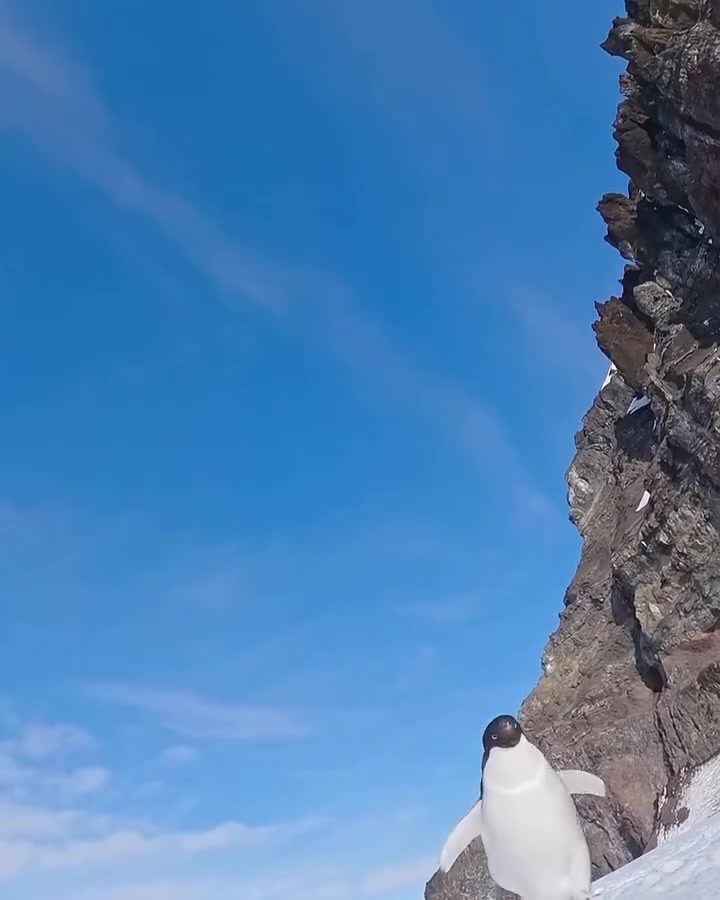
Penguin Curiosity
In the vast, icy expanse of Antarctica, penguins are known for their bold curiosity. These birds are not shy about investigating anything new that appears in their territory, making them a fascinating subject for researchers. With their distinctive features and playful nature, penguins in Antarctica offer a unique glimpse into the wildlife of one of the world's most remote environments. Researchers often place cameras on the ice to study behavior, movement, and survival in extreme conditions—and these birds don’t hesitate to investigate.
Context/Why this matters
Penguins in Antarctica are not just fascinating for their cute and playful nature; they are also crucial indicators of the health of the ecosystem. Researchers study these birds to understand how they adapt to extreme conditions, how they move across the icy terrain, and how they survive in such harsh environments. By studying penguin behavior, researchers can gain insights into the broader health of the Antarctic ecosystem and the impacts of climate change.
Main discussion
Penguin Behavior in the Antarctic
Penguins are known for their investigative nature, especially in the remote and icy landscapes of Antarctica. Researchers have observed that these birds are particularly curious about new objects in their environment, such as cameras placed by researchers. This curiosity is not just a behavior; it is a survival strategy. By investigating new objects, penguins can assess potential threats or opportunities in their territory.
Adaptations to Extreme Conditions
Antarctica is one of the harshest environments on Earth, with temperatures dropping to -89°C (-128.2°F) and strong winds. Penguins have adapted to these extreme conditions through various mechanisms. For instance, their dense layer of feathers and a thick layer of fat insulate them against the cold. Additionally, their streamlined bodies and flippers help them move efficiently on land and in water. These adaptations make them well-suited for survival in such a challenging environment.
Penguins are also social animals, living in large colonies. This social structure provides them with protection, warmth, and support. They work together to maintain their nests, provide for their young, and fend off predators. This social behavior is crucial for their survival in the harsh Antarctic conditions.
Research Methods in Antarctica
Researchers use various methods to study penguins in Antarctica. One of the most effective methods is the use of cameras placed on the ice. These cameras allow researchers to observe penguin behavior without disturbing the animals. They can capture close-up shots of the penguins, providing detailed insights into their actions and interactions.
Another method involves tracking penguins using advanced GPS technology. Researchers can attach small GPS devices to the birds to monitor their movements across the icy terrain. This helps them understand the penguins' foraging patterns, migration routes, and how they adapt to changes in their environment.
The Role of Cameras in Research
Cameras placed on the ice are an essential tool for researchers studying penguins. These cameras capture high-resolution images and videos of the birds, providing valuable data on their behavior, movement, and survival strategies. The close-up shots reveal details that might otherwise go unnoticed, such as the penguins' interactions with their environment and each other.
The cameras are designed to be inconspicuous, blending into the icy landscape to minimize disturbance to the penguins. They are equipped with sensors that detect movement, allowing them to capture footage only when the penguins are nearby. This ensures that the cameras are efficient and conserve energy, which is crucial in the remote and resource-limited environment of Antarctica.
The penguins' curiosity about the cameras is a positive aspect of the research. Their natural investigative behavior means they often come close to the cameras, providing researchers with detailed observations. This curiosity also helps the birds become accustomed to the presence of the cameras, reducing any initial fear or disruption.
Practical tips
For those interested in observing penguins in Antarctica, here are some practical tips:
- Respect Their Space: Penguins are wild animals, and it's important to respect their space. Keep a safe distance to avoid disturbing their natural behavior.
- Use Non-Intrusive Equipment: If you plan to take photographs or videos, use non-intrusive equipment that minimizes disturbance. Cameras should be placed carefully to avoid causing stress to the penguins.
- Adhere to Guides: Follow the guidance of experienced guides or researchers who understand the behavior and needs of penguins in the Antarctic environment.
- Maintain Silence: Be mindful of your noise levels. Loud noises can disrupt the penguins and interfere with their natural behavior. Maintain a quiet and respectful demeanor.
- Stay Updated: Keep updated with the latest research on penguins and their habitat. This knowledge can help you understand their behavior and appreciate their unique adaptations better.
Important Takeaways
Penguins in Antarctica are a testament to the resilience and adaptability of wildlife in extreme conditions. Their curiosity, social behavior, and unique adaptations make them a fascinating subject for researchers and wildlife enthusiasts alike. By observing and studying these birds, we can gain valuable insights into the health of the Antarctic ecosystem and the impacts of climate change. The use of cameras and GPS technology in research provides a non-intrusive way to study penguins, offering a rare and close-up glimpse into their world.
Conclusion
The remote and icy landscape of Antarctica is home to one of the most fascinating wildlife species: the penguin. Their bold curiosity and unique adaptations make them a vital subject for researchers studying the ecosystem's health. Through the use of cameras and GPS technology, researchers can observe and study penguins without disturbing their natural behavior. This provides valuable data on their survival strategies, social interactions, and adaptations to extreme conditions. By respecting their space and following practical guidelines, we can appreciate these remarkable creatures and contribute to the preservation of their habitat.
Watch the Reel
Questions readers ask
Why do penguins in Antarctica show curiosity towards cameras?
Penguins in Antarctica are naturally inquisitive and will investigate new objects in their environment, including cameras. This curiosity is a survival strategy, helping them understand their surroundings and potential threats or resources.
How do researchers use cameras to study penguins?
Researchers place cameras in penguin habitats to observe their behavior, movement, and survival strategies. These cameras provide valuable information about how penguins adapt to their extreme environment and the impacts of climate change.
What can penguin behavior tell us about the Antarctic ecosystem?
Penguin behavior serves as a vital indicator of the health of the Antarctic ecosystem. By studying their interactions with the environment and other species, researchers can assess the broader impacts of climate change and other environmental factors.
What adaptations do penguins have to survive in Antarctica?
Penguins in Antarctica have several adaptations for survival, including dense feathers for insulation, the ability to dive deep for food, and efficient foraging techniques. Their curiosity also aids in discovering food sources and avoiding predators.
Why are researchers interested in the behavior and survival of penguins in Antarctica?
Studying penguin behavior and survival in Antarctica provides insights into how these birds adapt to one of the world's most remote and harsh environments. This research helps understand the broader impacts of climate change on the Antarctic ecosystem and informs conservation efforts.
What role do penguins play in Antarctic research?
Penguins play a crucial role in Antarctic research by providing insights into the health of the ecosystem. Their behaviors and adaptations offer a window into how climate change and other environmental factors are affecting the region. Researchers use this information to develop strategies for conservation and sustainability.
Related deep dives
Similar reads based on topic and creator.




Recent articles
Fresh deep dives from the latest Reels we unpacked.




Comments
Be the first to comment.