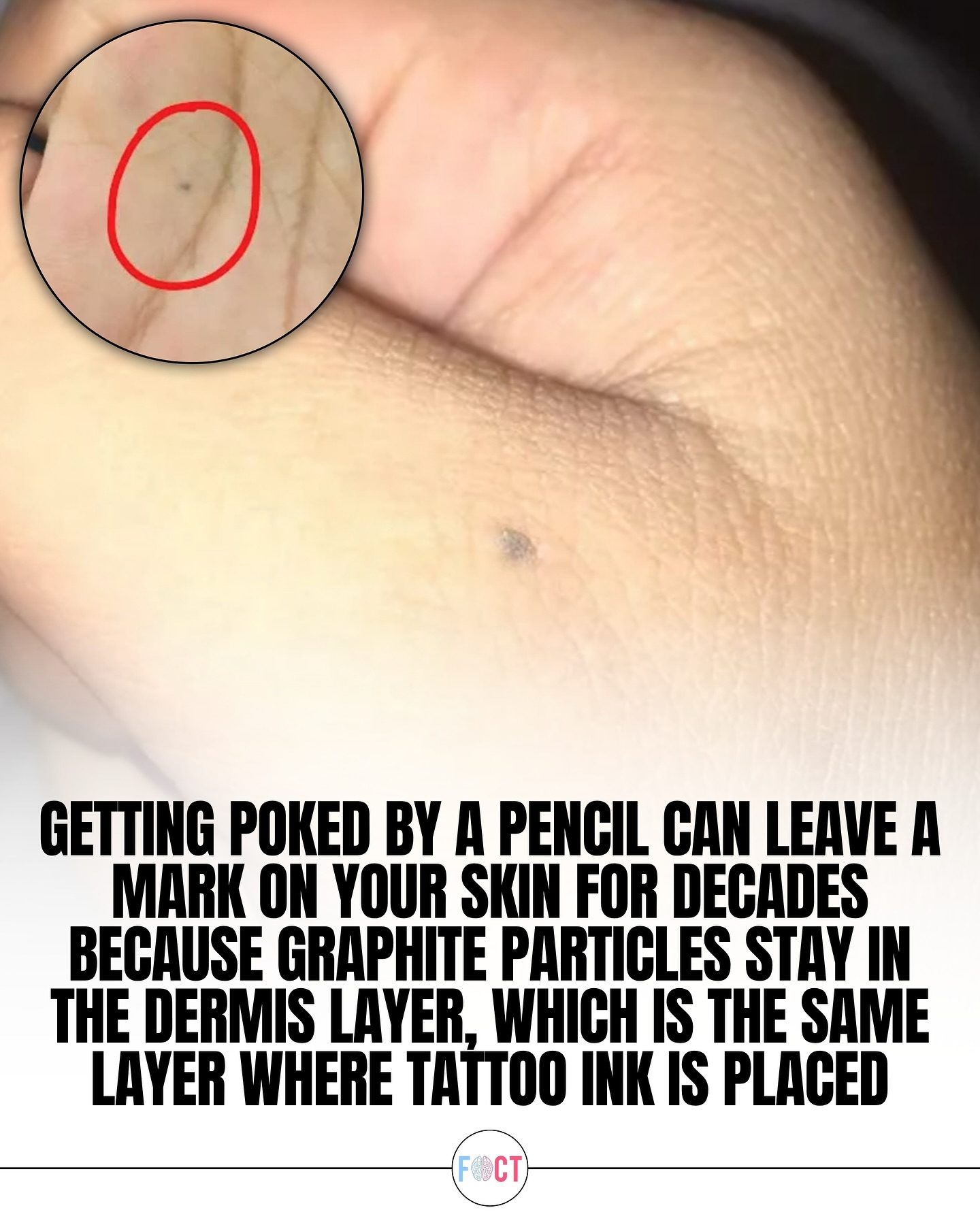
Pencil Poke Marks: A Permanent Reminder
Pencil marks are more than just a minor inconvenience. Getting poked by a pencil can leave a permanent mark that lasts for decades. This unintended skin blemish occurs due to the unique properties of the skin layers and the graphite used in pencils.
Why This Matters
Understanding why pencil poke marks last so long involves a closer look at the structure of the skin. The skin is composed of three main layers: the epidermis, the dermis, and the hypodermis. The epidermis is the outer layer, constantly shedding and renewing itself. The dermis, however, is much more stable and is where both tattoo ink and graphite particles from pencils can become lodged.
The Science Behind Pencil Poke Marks
The Dermis Layer
The dermis is the second layer of the skin and is crucial for understanding how pencil marks can last for decades. This layer contains connective tissue, blood vessels, and nerve endings and provides the skin's structural support. Unlike the epidermis, which sheds and renews itself continuously, the dermis is more stable. When something penetrates the epidermis and settles in the dermis, it tends to stay there for a long time.
Graphite Particles
Pencil graphite is made of tiny particles of carbon. When a pencil tip breaks the skin, these particles can get lodged deep in the dermis. Because the dermis is stable, these particles remain visible through the skin, creating a small gray or blue spot. This spot is essentially a tiny, accidental tattoo.
Similarities to Tattoos
The process by which pencil marks become permanent is similar to how tattoos work. Tattoo ink is deposited into the dermis, where it remains visible through the skin. The dermis layer is where both tattoo ink and graphite particles from pencils can stay for life, creating a lasting mark on the skin.
Practical Tips for Managing Pencil Poke Marks
First Aid
If you get poked by a pencil, follow these steps:
- Clean the Area: Wash the affected area with mild soap and warm water to reduce the risk of infection.
- Apply Pressure: If the wound is bleeding, apply gentle pressure with a clean cloth or bandage.
- Cover the Wound: Use a bandage to cover the area and prevent further contamination.
Prevention
To avoid getting poked by a pencil, consider the following tips:
- Handle with Care: Be mindful when handling pencils, especially around children.
- Store Properly: Keep pencils in a safe place where they won't cause accidental injuries.
- Use Pencil Sharpeners: Ensure pencils are not overly sharp, which can increase the risk of pokes.
Important Takeaways
- Pencil poke marks can last for decades due to the stability of the dermis layer.
- Graphite particles from pencils can get lodged deep in the dermis, creating a small, visible mark.
- The dermis is the same layer where tattoo ink is placed, explaining why pencil marks and tattoos are both permanent.
- Proper first aid and prevention measures can help manage and avoid pencil poke marks.
Conclusion
Getting poked by a pencil is more than just a minor injury; it can leave a lasting mark on the skin. Understanding the science behind pencil poke marks can help in managing them effectively. Whether it's through proper first aid or preventive measures, being aware of how the dermis layer works can make a significant difference.
Watch the Reel
Questions readers ask
What causes pencil poke marks to be so long-lasting?
Pencil poke marks endure due to the graphite in the pencil embedding into the skin's dermis layer. This layer is stable and slow to renew, allowing the graphite to remain visible for many years, similar to a tiny tattoo.
Can pencil poke marks be removed?
Removing pencil poke marks can be challenging due to their depth in the dermis layer. While some may fade over time, complete removal often requires professional procedures such as laser treatments or dermatological interventions.
How do pencil poke marks differ from other minor skin injuries?
Unlike other minor skin injuries that heal and fade, pencil poke marks leave a lasting impression because the graphite lodges deeply within the dermis. This is a unique phenomenon that sets pencil poke marks apart from typical skin irritations.
Why don’t pencil poke marks fade like other skin blemishes?
Unlike the epidermis, which regularly sheds and renews, the dermis is more stable. This stability means that any graphite lodged in the dermis will not be easily removed through natural skin processes, making pencil poke marks exceptionally persistent.
Are pencil poke marks similar to tattoos?
Yes, pencil poke marks are similar to tattoos in that the graphite particles become embedded in the dermis. Unlike tattoos, they are typically smaller and less controlled in placement, but they share the characteristic of being long-lasting due to the depth of the color.
What is the best way to prevent pencil poke marks?
To prevent pencil poke marks, handle pencils with care, especially around children. Avoid pointing or pressing pencils against the skin. Teach children to be mindful of how they handle pencils to minimize the risk of accidental poking.
Why is the dermis layer important in understanding pencil poke marks?
The dermis layer is crucial because it is where the graphite from pencils becomes lodged. This layer is thicker and more stable than the epidermis, which means it does not shed or renew as quickly, allowing the graphite to remain visible for extended periods.
Related deep dives
Similar reads based on topic and creator.




Recent articles
Fresh deep dives from the latest Reels we unpacked.




Comments
Be the first to comment.