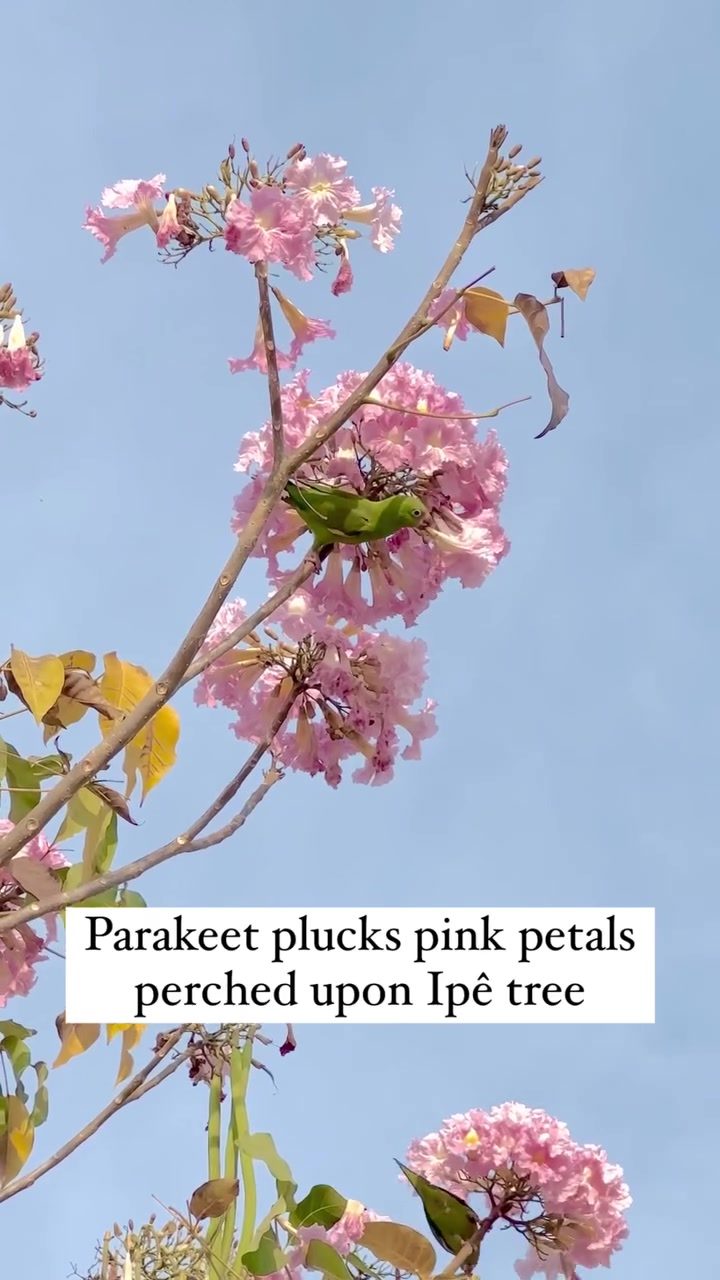
Parakeet Behavior with Ipe Trees
Parakeets interacting with Ipe trees offer a fascinating glimpse into the natural behavior of these birds. The Cerrado, a vast tropical savanna in Brazil, is home to a variety of unique wildlife, including the parakeet. These birds are known for their distinctive behavior, particularly when it comes to the Ipe tree, a species prized for its vibrant pink flowers.
What is the Ipe Tree?
The Ipe tree, also known as the Brazilian Rosewood or Lapacho, is a magnificent tree native to South America, particularly in the Cerrado region. It is renowned for its stunning pink or purple flowers, which bloom during the dry season, and its dense, hardwood timber. It's a common sight in the Cerrado biome, and its flowers are a vital source of nectar for various bird species.
Parakeet Behavior with Ipe Trees
Parakeets, particularly those native to the Cerrado, exhibit a unique interaction with the Ipe tree. These birds are often observed plucking the pink flowers from the Ipe tree. This behavior is not merely destructive; it serves a specific purpose for the parakeet. The birds are drawn to the nectar within the flowers, which provides them with essential nutrients.
Petite Petal Plunder
When a parakeet plucks a flower, it carefully removes the petals, discarding them on the ground. This behavior often leads to a trail of petals beneath the tree, creating a picturesque scene. The bird's primary interest is in the nectar, which it extracts and consumes. The discarded petals serve as a byproduct of this feeding behavior.
The Logic of Parakeet Behavior
The logic behind this behavior is multifaceted. For the parakeet, the nectar is a valuable food source. The Ipe tree's flowers are rich in nectar, making them an attractive target for the birds. By plucking the flowers, the parakeets are not only feeding themselves but also indirectly helping the tree. This behavior can aid in pollination, as the birds inadvertently transfer pollen from one flower to another while foraging.
Why This Matters
Understanding the interaction between parakeets and Ipe trees offers deeper insights into the ecological relationships within the Cerrado. These interactions highlight the interconnectedness of species and their environments. The parakeet's behavior is a clear example of how birds play a crucial role in the ecosystem by aiding in the pollination and dispersal of seeds.
Ecological Implications
The parakeets' interaction with the Ipe tree is a natural process that has evolved over time. The birds' feeding behavior contributes to the tree's reproductive cycle and helps maintain the ecosystem's balance. By consuming the nectar, the parakeets ensure that the Ipe tree can produce seeds, which are then dispersed by other wildlife or natural processes.
Practical Tips for Observing This Behavior
If you're interested in observing this behavior, there are a few practical tips to keep in mind:
Find the Right Location
To witness this interaction, you need to be in the right location. The Cerrado region of Brazil is the ideal place to observe parakeets and Ipe trees. Look for areas with dense vegetation and a variety of tree species, as these are likely to host a rich diversity of wildlife.
Be Patient and Quiet
Nature observation requires patience and quiet. Parakeets are skittish birds and can be easily disturbed. To get a good view of their behavior, find a spot where you can remain still and quiet.
Use Binoculars or a Camera with a Telephoto Lens
Binoculars or a camera with a telephoto lens can enhance your viewing experience. These tools allow you to get a closer look at the birds without disturbing them. You can capture detailed images and videos of their behavior, which can be a rewarding experience.
Learn to Recognize the Sounds
Different bird species have unique calls. Learning to recognize the sounds of parakeets can help you locate them more easily. Familiarize yourself with their vocalizations to improve your chances of spotting them.
Important Takeaways
Observing parakeets interacting with Ipe trees is a captivating experience. Here are the key takeaways from this natural phenomenon:
- Parakeets pluck the pink flowers from the Ipe tree to consume the nectar within.
- This behavior contributes to the pollination and dispersal of the Ipe tree's seeds.
- The interaction highlights the interconnectedness of species within the Cerrado ecosystem.
- Understanding this behavior offers insights into the ecological roles of birds and trees.
Conclusion
Parakeets' interaction with Ipe trees is a fascinating natural behavior that showcases the complex relationships within the Cerrado ecosystem. By understanding and observing this behavior, we gain a deeper appreciation for the intricate web of life in this unique region. Whether you're a nature enthusiast or simply curious about the natural world, witnessing parakeets and Ipe trees in their natural habitat is an enriching experience.
Watch the Reel
Questions readers ask
Why do parakeets pluck flowers from Ipe trees in the Cerrado region?
Parakeets pluck flowers from Ipe trees to access the nectar hidden within the petals. This behavior is particularly notable in the Cerrado region, where these vibrant pink flowers bloom during the dry season, providing a crucial food source for the parakeets.
What is the significance of the parakeet and Ipe tree interaction for the birds?
For parakeets, the interaction with Ipe trees is essential for their feeding habits, as the nectar from the flowers serves as a vital food source. This behavior also shows the birds' adaptability and specific feeding strategies in their natural habitat.
How does the flower plucking behavior affect the Ipe trees?
The flower plucking behavior by parakeets helps in the pollination process of the Ipe trees. As the birds remove petals to access nectar, they inadvertently transfer pollen from one flower to another, aiding in the trees' reproductive cycle.
What are Ipe trees known for besides their flowers?
In addition to their vibrant flowers, Ipe trees are known for their dense, hardwood timber, which is highly valued for its durability and strength. These trees are also a prominent feature in the Cerrado biome, contributing to the region's diverse ecosystem.
What is the Cerrado region and why is it significant for parakeets?
The Cerrado region is a vast tropical savanna in Brazil, known for its unique wildlife and plant life. It is significant for parakeets as it provides a rich habitat filled with food sources like the Ipe tree. This region supports the distinctive behaviors and interactions of the birds with their environment.
Related deep dives
Similar reads based on topic and creator.



Recent articles
Fresh deep dives from the latest Reels we unpacked.




Comments
Be the first to comment.