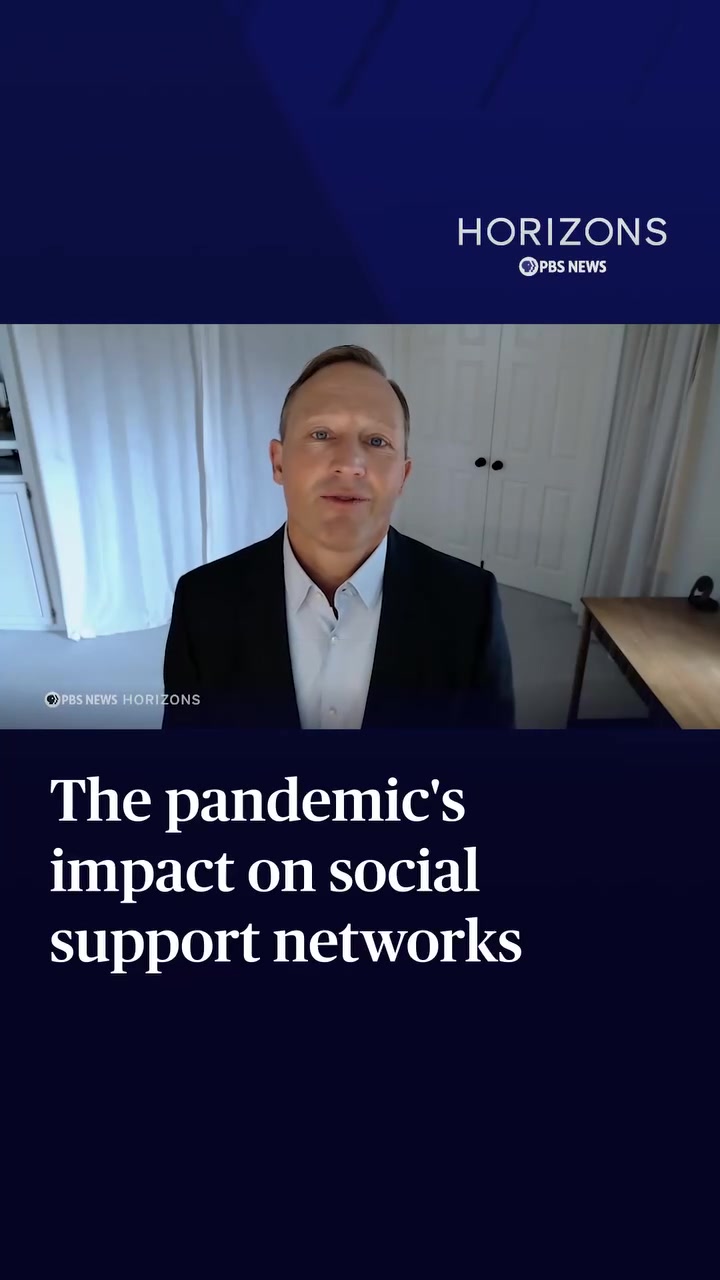
The pandemic's impact on social networks has been profound and lasting. Psychiatrist George Slavich of UC Irvine noted it was "a struggle" for many to maintain fulfilling lives. The pandemic's toll on mental health impacts social relationships, emotional warmth, and predictability.
The Web of Connections
The idea of social support networks is familiar to everyone, yet it's the many-to-many ties that keep us emotionally grounded. These networks are not just simple web links; they provide emotional warmth, predictability, and dependability. George Slavich, Professor of Psychiatry and Human Behavior, UC Irvine, spoke about the pandemic's effect on these social support networks. These networks functioned as a bedrock for social well-being, conferring emotional warmth, predictability, and dependability. The pandemic and its policies damaged these networks, leaving a long-lasting impact and causing feelings of isolation. Slavich noted that people were isolated, fundamentally from one another, especially in some organizations, in some cities and communities and countries. Many felt like life was a struggle in one or more of those domains. For some, this struggle persisted for years after the pandemic's early days. Slavich explained that pandemic policies damaged the basic social support networks, leaving people feeling isolated, disoriented, and lacking in warmth and connection. The level of isolation and warmth in social networks has not returned to pre-pandemic levels, even with the slight return to normalcy. This lack of social connection, in turn, impacted people's ability to thrive.
The Isolation Factor
The pandemic triggered a period of isolation and uncertainty. It was unavoidable that social interactions would be confined to online chats or even worse, to solitary periods within homes. Slavich noted that, although it felt like a return to normalcy, many people reported feeling emotionally isolated and socially disconnected. The physical distancing and lack of interactions damaged the fabric of social ties.
Warming Up Again
The shift from in-person to remote work routines has created new barriers to developing relationships. The virtual workplaces, while having their advantages, lack the spontaneity of in-person interaction. Yet, societies are slowly adopting initiatives to foster better social support. Layouts are being redesigned to encourage interaction, and workplaces are accommodating social hour meetings. These might be the start of 'unofficial' social networks' healing process.
The Remote Reluctance
UC Irvine’s Slavich highlighted that remote work can be a challenge in reconstituting social relationships. It is easier to come together in person for a quick chat or a coffee break, than it is to maintain ties when everyone is in a different room, working in different time zones and schedules. Slavich noted that retuning these relationships would require intentional effort.
Fostering Social Networks
Fostering social networks is not just about creating spaces for interactions but also about investing in social hierarchically layered mental health support systems. Slavich said that starting an intentional recovery effort can gradually help individuals and communities find their footing. These networks would provide a platform for social support, constancy, and—over time—will help individuals find emotional and mental resilience.
Rebuilding Bonds
As businesses reopen, managers consider how to reintegrate employees into their teams. Slavich warned that organizations and workplaces need to "have an intentional effort toward continuing to foster" social connection.
Teamwork in hybrid systems
Employee well being needs more focus. Slavich mentioned that there are many factors that contribute to one's well being, and strengthening social networks is one of the most important among them. Creating a hybrid system that balances the benefits of work from home with the interpersonal benefits of in-person interactions is crucial.
Cohorts and Chats
Creating smaller cohorts at work can also foster an inclusive social environment where people can flourish. Slavich and other psychologists suggest rethinking the way we interact at work, focusing on cohesion and togetherness. Create an environment where people can easily engage. For instance, hosting a daily virtual tea break.
One Step at a Time
Recovering from social isolation will take time and effort. The pandemic's impact on social networks has roots that run deep, affecting emotional, social warmth, and predictability.
Building resilience
Implementing these changes will require commitment. Efforts to mend social networks are a step towards collective resilience. Social support networks do not rebuild overnight. Initial small efforts towards social cohesion are important. They ease us into the realization that we are not alone and that we can still find warmth and connection in the world. The pandemic, and its policy measures have left a lasting impact on the quality of social networks. The way ahead is to foster better social networks. As Slavich noted, the pandemic has created a loss in many domains, including social relationships and networks. However, there are ways to mend the damage. It needs intentional effort and patience.
Watch the Reel
Questions readers ask
What exactly are social support networks and why are they so important for our well-being?
Social support networks are the web of connections that provide emotional warmth, predictability, and dependability. They're crucial for our well-being because they help us feel grounded and supported, especially during challenging times like a pandemic. When these networks are disrupted, it can lead to feelings of isolation and struggle, as noted by psychiatrist George Slavich.
How did the pandemic specifically impact these social support networks?
The pandemic severely disrupted social support networks by enforcing physical distancing and reducing in-person interactions. This led to a profound sense of isolation and disconnection, making it difficult for people to maintain the emotional warmth and predictability that these networks typically provide.
Can remote work really hinder the rebuilding of social support networks, as Slavich suggested?
Yes, remote work can pose challenges in rebuilding social support networks. It lacks the spontaneity of in-person interactions and the ease of quick, informal conversations. This means that people have to be more intentional about maintaining and rebuilding these relationships.
What kind of initiatives are being taken to foster better social support networks post-pandemic?
Some initiatives include redesigning workplace layouts to encourage interaction and scheduling social hour meetings. These efforts aim to recreate the 'unofficial' social networks that were disrupted during the pandemic, fostering a sense of community and connection.
How long might it take for social support networks to fully recover from the pandemic's impact?
The recovery of social support networks is a gradual process. Even as things return to normal, many people still report feeling isolated and disconnected. The level of isolation and warmth in social networks has not yet returned to pre-pandemic levels, suggesting that a full recovery may take considerable time and intentional effort.
Is it possible to rebuild social support networks without in-person interactions, or are they essential?
While in-person interactions are ideal for building and maintaining social support networks, it is possible to rebuild these networks remotely. However, it requires more intentional effort and creativity, such as through virtual social gatherings and consistent communication.
What role do mental health support systems play in fostering social networks?
Mental health support systems are crucial in fostering social networks, as they provide the necessary emotional and psychological support. By investing in these systems, we can create a layered support structure that helps individuals navigate the challenges of rebuilding and maintaining social connections.
Related deep dives
Similar reads based on topic and creator.


Recent articles
Fresh deep dives from the latest Reels we unpacked.



Comments
Be the first to comment.