Pandas Mimicking Human Behavior: A Heartwarming Display
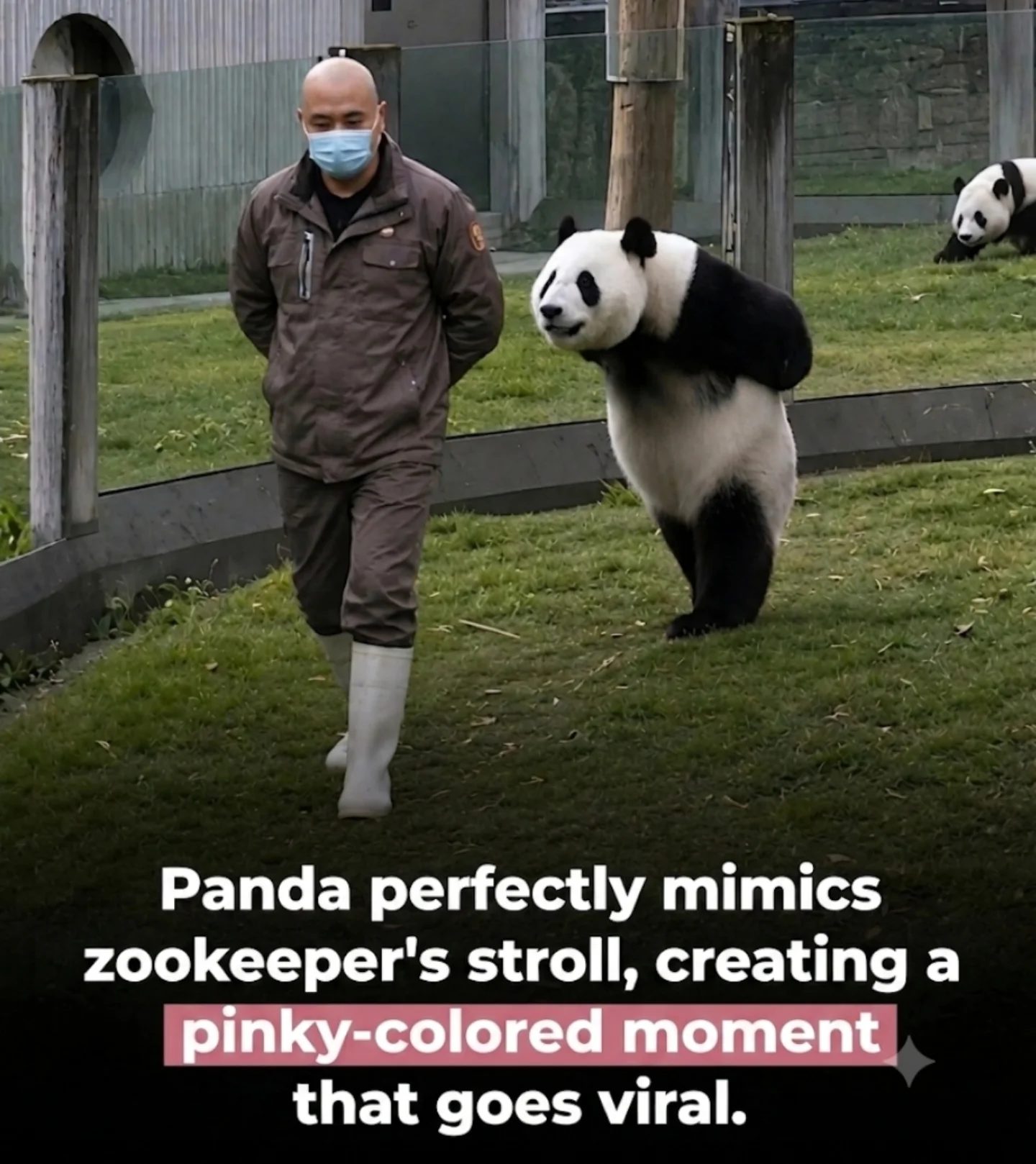
Pandas are known for their playful and curious nature, and this is evident in a viral moment where a giant panda mimics a zookeeper's walk. This charming interaction showcases the strong bond between the panda and the zookeeper, offering a delightful glimpse into the daily life of these beloved animals.
Why This Matters
Animal behavior, especially in captivity, is a fascinating area of study. It provides insights into the cognitive abilities of animals and their social interactions. Understanding how pandas interact with their human caretakers can offer valuable information about their emotional intelligence and adaptability. These interactions are not only heartwarming but also shed light on the importance of animal enrichment programs in zoos.
Main Discussion
The Viral Moment
The moment captured in the clip is both adorable and surprising. The zookeeper walks across a grassy enclosure with his hands behind his back, a relaxed and confident stride. The panda, observing from behind a fence, mimics this posture and stride with remarkable accuracy. This mimicry is a testament to the panda's observational skills and its ability to mimic human behavior.
Understanding Panda Behavior
Pandas are known for their curiosity and playfulness, which often leads to unique interactions with their surroundings. The mimicry observed in this clip is a clear example of this. Such behavior is not uncommon in captive animals, as they often learn to adapt to their environment by imitating the actions of those around them.
One of the key points to note here is the role of the zookeeper. The zookeeper's calm and confident demeanor likely plays a significant role in the panda's behavior. Animals, especially those in captivity, are highly attuned to the emotions and actions of their caretakers. This interaction highlights the importance of a positive and supportive environment in animal care.
The Role of Enrichment
Animal enrichment programs are crucial in zoos and wildlife sanctuaries. These programs aim to provide mental and physical stimulation for animals, helping them stay active and engaged. The interaction between the panda and the zookeeper can be seen as a form of enrichment, where the panda is not only physically active but also mentally stimulated by observing and mimicking the zookeeper.
Practical Tips
For Zoo Visitors
When visiting a zoo, take the time to observe the animals and their interactions with their caretakers. This can provide a deeper understanding of the animals' behavior and the efforts made by zoo staff to ensure their well-being. Look out for moments of play and interaction, as these can be some of the most memorable experiences.
For Animal Enthusiasts
For those interested in animal behavior, this clip offers a glimpse into the cognitive abilities of pandas. It's a reminder that animals, even in captivity, have complex emotional and behavioral responses. Consider supporting organizations that focus on animal welfare and enrichment programs. Your support can help ensure that these animals continue to thrive in their environments.
Important Takeaways
The heartwarming interaction between the panda and the zookeeper is a reminder of the strong bond that can form between humans and animals. It also highlights the importance of animal enrichment programs and the role of positive interactions in the well-being of captive animals. These interactions not only provide mental and physical stimulation for the animals but also offer a deeper understanding of their behavior and emotional intelligence.
Conclusion
Pandas are remarkable creatures, and their playful nature often leads to unique and heartwarming interactions with their human caretakers. Whether you're a zoo visitor or an animal enthusiast, observing these interactions can provide a deeper understanding of animal behavior and the importance of a supportive environment. The clip of the panda mimicking the zookeeper's walk is a delightful example of the bond between animals and humans, showcasing the cognitive abilities and emotional intelligence of these beloved creatures. So, the next time you visit a zoo, take a moment to observe the animals and their interactions. You might just witness a heartwarming moment that will stay with you.
Watch the Reel
Questions readers ask
What prompted the panda to mimic the zookeeper's walk?
The panda's playful and curious nature likely drove the mimicry. Pandas are known to observe and interact with their surroundings, including their human caretakers. This action showcases their cognitive abilities and strong bond with the zookeeper.
How does this behavior reflect on the cognitive abilities of pandas?
Mimicking behavior, such as replicating a zookeeper's walk, indicates that pandas have a good eye for detail and a strong ability to observe and remember actions. This is a testament to their cognitive abilities and problem-solving skills.
Can all pandas mimic human behavior, or is this unique to this panda?
While this particular instance has gone viral, many pandas exhibit playful and curious behaviors. However, the extent of mimicry can vary among individual pandas. Some may mimic more than others based on their personality and bonding with their zookeepers.
What does this interaction tell us about the bond between pandas and their zookeepers?
The interaction highlights a strong, affective bond between pandas and their zookeepers. This bond is built through consistent care and interaction, resulting in a level of trust and comfort that allows for such playful and mimicry behaviors to emerge.
Are there other instances of pandas showing such mimicking behavior?
Yes, there have been other instances where pandas have mimicked human behavior, such as copying gestures or movements. These instances are often shared on social media, showing that this behavior is not entirely uncommon and can be quite endearing.
Related deep dives
Similar reads based on topic and creator.


Recent articles
Fresh deep dives from the latest Reels we unpacked.




Comments
Be the first to comment.