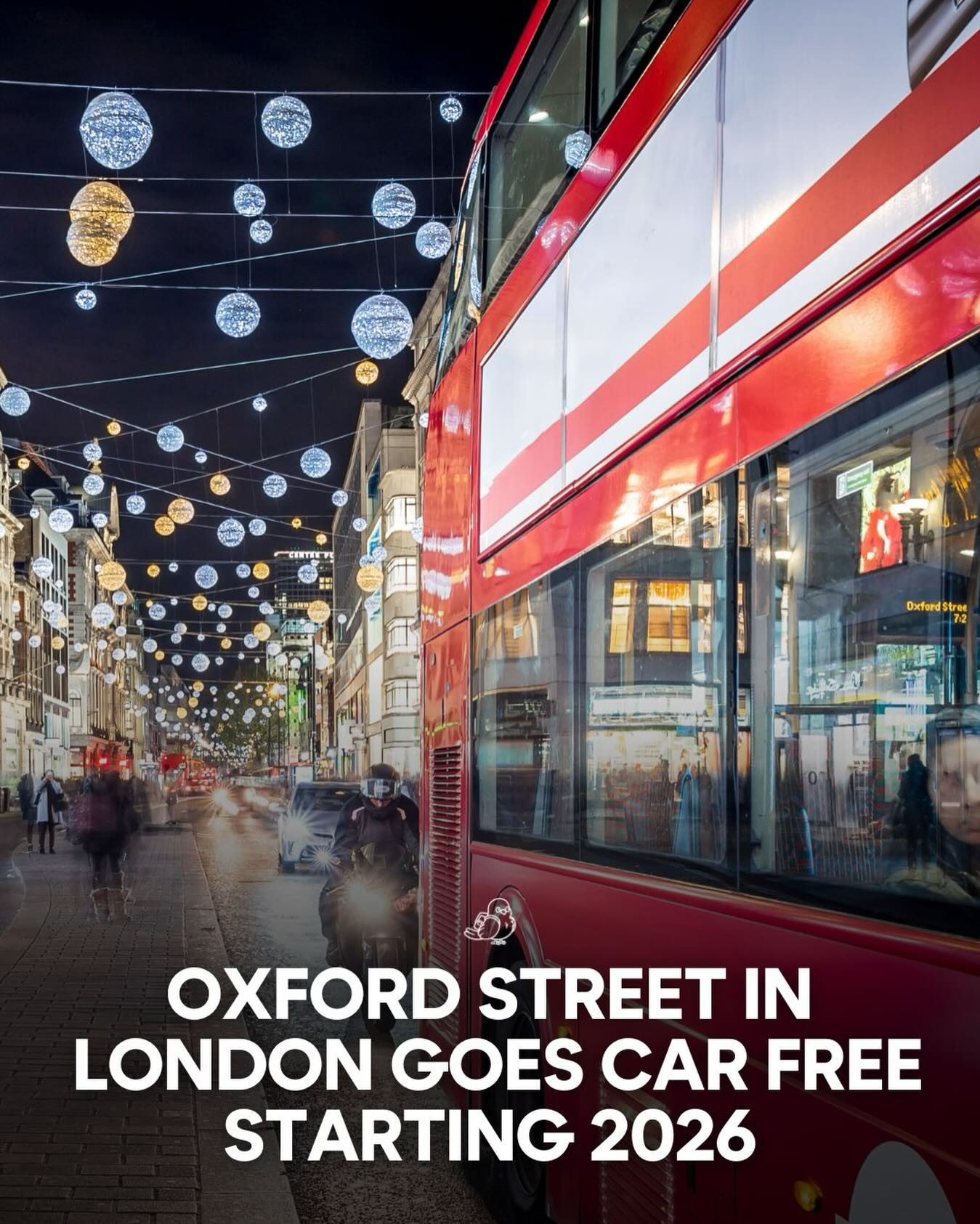
Oxford Street Goes Car-Free in 2026
Oxford Street, one of Europe’s busiest shopping avenues, is set to undergo a significant transformation. Starting in 2026, this iconic London thoroughfare will be pedestrianized, aiming to reduce traffic congestion, enhance air quality, and create a safer, more enjoyable space for both shoppers and tourists. The plans also incorporate improvements to public transport, cycling infrastructure, and a redesigned streetscape to revitalize the area’s economy and overall experience.
Why This Matters
The decision to make Oxford Street car-free is part of a broader urban planning initiative to create more sustainable and livable cities. By prioritizing pedestrians, cyclists, and public transport, London aims to address several critical issues:
-
Traffic Congestion: Oxford Street is notorious for its heavy traffic, which often leads to delays and frustation for both drivers and pedestrians. Removing cars will help alleviate this congestion, making the area more accessible and pleasant to navigate.
-
Air Quality: Vehicular emissions significantly contribute to poor air quality in urban areas. By reducing the number of cars, the city can improve air quality, benefiting both residents and visitors.
-
Safety: Pedestrianizing the street will create a safer environment for shoppers, tourists, and local residents. Fewer cars mean fewer accidents and a more relaxed atmosphere.
-
Economic Benefits: A more inviting and pedestrian-friendly environment can boost retail sales, as shoppers are more likely to linger and explore the area. Additionally, the redesign of the streetscape can enhance the overall aesthetic appeal, attracting more visitors.
Celebrating the Change
The move to pedestrianize Oxford Street is not just about functionality; it’s also about celebrating the street’s iconic status. Oxford Street is famous for its festive lights, and the nighttime view often features a vibrant atmosphere. The transformation will ensure that this festive spirit thrives, as pedestrians and cyclists enjoy a more relaxed and enjoyable experience.
Main discussion
Oxford Street has long been a symbol of London's bustling retail scene. However, its popularity has also brought challenges, particularly in terms of congestion and pollution. The plan to make it car-free addresses these issues head-on.
The Vision for 2026
The city's vision for 2026 includes a complete redesign of Oxford Street, transforming it into a pedestrian and cyclist-friendly zone. Key elements of this vision include:
-
Enhanced Public Transport Access: Improving public transport connections to make it easier for people to reach Oxford Street without relying on cars.
-
Expanded Cycling Infrastructure: Adding more bike lanes and cycling-friendly features to encourage more people to cycle, reducing the reliance on motor vehicles.
-
Redesigned Streetscape: Creating a more visually appealing and functional streetscape that includes wider pavements, better lighting, and more seating areas, making the street a more enjoyable place to spend time.
Public and Environmental Benefits
The benefits of making Oxford Street car-free are far-reaching. For the public, the experience of shopping and leisure on Oxford Street will be significantly enhanced. Fewer cars mean less noise, cleaner air, and a more relaxed environment. For the environment, reducing vehicular traffic will lead to lower carbon emissions, contributing to London's sustainability goals.
Practical Tips
If you're planning to visit Oxford Street after 2026, here are some practical tips to make the most of your experience:
-
Use Public Transport: With improved public transport access, opting for a bus, tube, or train is a convenient and eco-friendly way to reach Oxford Street.
-
Explore by Bike: If you enjoy cycling, take advantage of the expanded cycling infrastructure. It’s a fun and healthy way to explore the area.
-
Plan Your Visit: Consider visiting during different times of the day to experience the changing ambiance. The festive lights and the redesigned streetscape will offer a unique experience at any time.
-
Check for Events: Stay updated on any special events or promotions that might be happening in the area. The pedestrian-friendly environment will likely host more events and activities.
Important Takeaways
-
Sustainability: The move towards a car-free Oxford Street is a significant step in creating a more sustainable urban environment.
-
Economic Impact: Revitalizing the streetscape can boost retail sales and attract more visitors, benefiting the local economy.
-
Community Engagement: The transformation will create a more inclusive and enjoyable space for the community, encouraging people to spend more time in the area.
Conclusion
The decision to make Oxford Street car-free is a bold and forward-thinking move that promises to improve the quality of life for both residents and visitors. By reducing traffic, enhancing public transport, and creating a more inviting environment, London is setting a new standard for urban planning. As Oxford Street undergoes this transformation, it will continue to be a vibrant and iconic destination, celebrating its rich history while embracing a sustainable future.
Watch the Reel
Questions readers ask
What will happen to traffic flow on Oxford Street after 2026?
After 2026, cars will be banned from Oxford Street, and the traffic flow will be redirected to neighboring streets. The pedestrianization will help reduce congestion and improve the overall flow of traffic in the surrounding areas.
How will public transport be enhanced with the Oxford Street pedestrianization?
The pedestrianization of Oxford Street will be accompanied by improvements to public transport infrastructure. This includes better bus routes and potentially new underground connections, making it more convenient for visitors.
Will the ban on cars affect nearby businesses during the 2026 transformation?
The transformation aims to boost the local economy by creating a more inviting space for shoppers. While there may be short-term adjustments for businesses, the long-term goal is to increase foot traffic and enhance the shopping experience, benefiting local retailers.
How will the pedestrianization of Oxford Street impact air quality?
By banning cars, Oxford Street will significantly reduce vehicle emissions, leading to improved air quality. This change is expected to have a positive impact on the health and well-being of both residents and visitors.
What alternative transportation methods will be available after the 2026 ban?
After the car ban, there will be a strong emphasis on walking and cycling, with improved infrastructure and pedestrianized areas to encourage these modes of travel. Public transportation options, including buses and potentially new underground connections, will also be enhanced.
Will there be designated areas for loading and unloading goods on the pedestrianized Oxford Street?
Yes, specific times and areas will be designated for the delivery and collection of goods to minimize disruption to pedestrians. These designated periods will allow businesses to continue operating smoothly.
How will the pedestrianization of Oxford Street affect tourism in the area?
The pedestrianization is expected to make Oxford Street a more attractive destination for tourists. The enhanced safety, improved air quality, and better overall experience will likely draw more visitors to the area, benefiting both the local economy and the overall appeal of London as a tourist destination.
Related deep dives
Similar reads based on topic and creator.




Recent articles
Fresh deep dives from the latest Reels we unpacked.




Comments
Be the first to comment.