Dog Heart Rates: What Makes Them Skyrocket and How to Calm Them
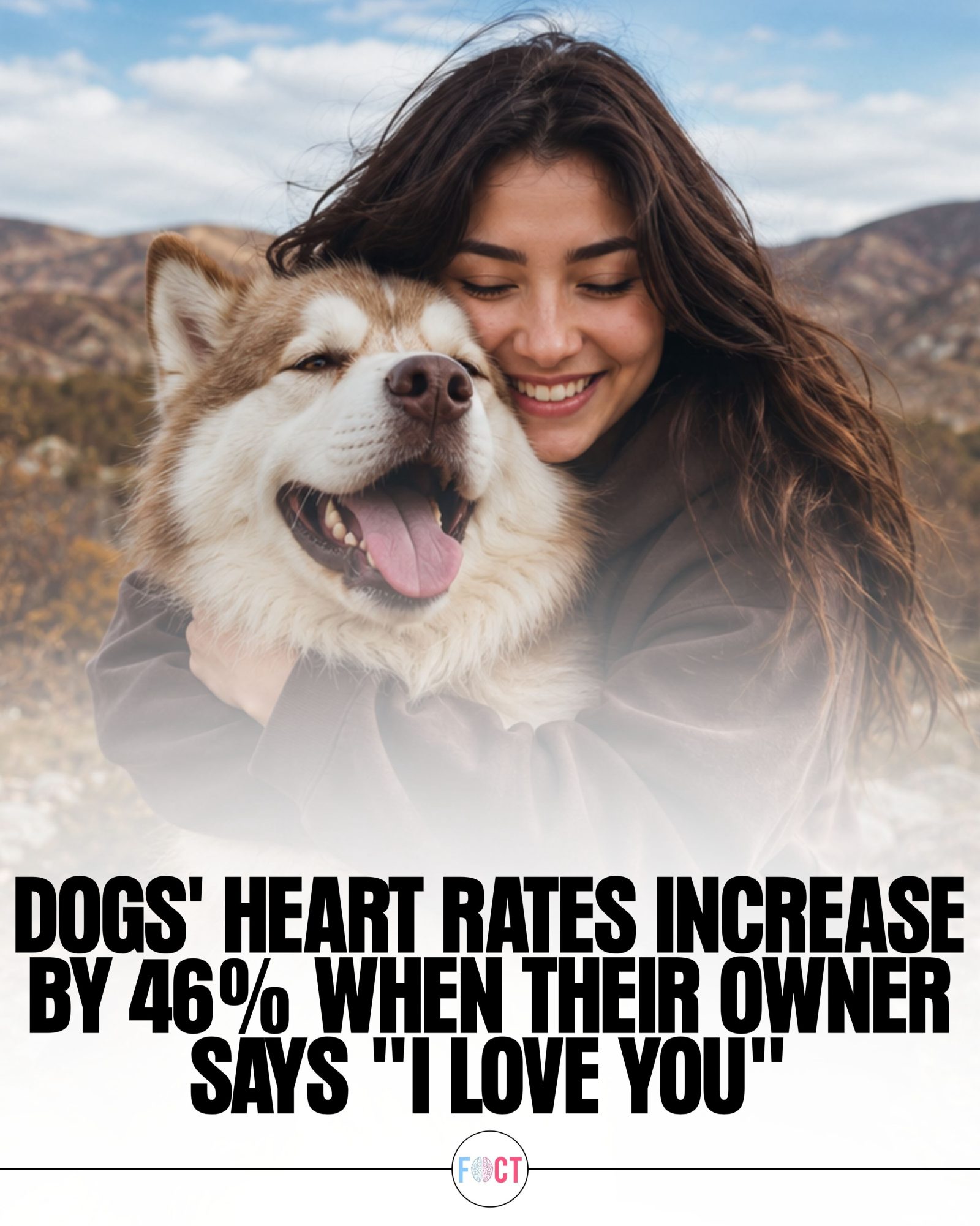
Dogs' heart rates fluctuate based on various stimuli, but one surprising trigger is the phrase, "I love you." This revelation comes from a 2020 study by Canine Cottages, which tracked the heart rates of four different dogs over seven days. The study used special heart rate tracking collars to monitor the dogs' reactions to different interactions with their owners.
Context: Why This Matters
Understanding what affects a dog's heart rate can provide valuable insights into their emotional and physical well-being. By identifying these triggers, pet owners can better care for their dogs and enhance their bond. The study by Canine Cottages offers concrete data on how dogs react to specific phrases and actions, helping owners create a more harmonious environment for their pets.
Main Discussion
The Impact of Verbal Affection
The study found that when dogs heard the phrase "I love you" from their owners, their heart rates increased by 46%. This jump, from an average of 67 beats per minute (bpm) to 98 bpm, indicates a significant emotional response. This finding aligns with the understanding that dogs are highly attuned to human emotions and vocal cues. The increase in heart rate suggests that the phrase evokes a strong emotional reaction, whether it be excitement, joy, or a heightened sense of awareness.
The Calming Effect of Cuddling
Conversely, the study also revealed that cuddling had a calming effect on the dogs. When cuddled by their owners, the dogs' heart rates decreased by 23%, dropping from 67 bpm to 52 bpm. This demonstrates the soothing power of physical affection and contact. Cuddling not only strengthens the bond between a dog and its owner but also helps the dog feel secure and relaxed.
Mutual Benefits of Interaction
Interestingly, the study also tracked the heart rates of the dog owners. When owners reunited with their dogs after being away for some time, their heart rates increased by 10% on average. This mutual emotional response highlights the reciprocal nature of the bond between dogs and their owners. Both parties experience a surge in heart rate, indicating a strong emotional connection and shared joy in each other's company.
Practical Tips
Enhancing the Bond with Verbal Affection
Given the significant impact of the phrase "I love you" on a dog's heart rate, incorporating this verbal affirmation into daily interactions can deepen the emotional bond. For example, say "I love you" to your dog when greeting them, during playtime, or before bed. This simple act can enhance their emotional well-being and strengthen your connection.
The Power of Cuddling
Regular cuddling sessions can help lower a dog's stress levels and promote a sense of security. Make cuddling a part of your daily routine, whether it's during a quiet moment at home, while watching TV, or before bedtime. This not only calms your dog but also reinforces the bond between you.
Other Ways to Interact
While verbal affection and cuddling are powerful, other forms of interaction can also positively impact your dog's heart rate and overall well-being. Engage in activities like:
- Playtime: Regular play sessions not only provide physical exercise but also stimulate your dog's mind and enhance your bond.
- Training: Positive reinforcement training sessions can be both mentally stimulating and emotionally rewarding for your dog.
- Outdoor Activities: Walks, hikes, or trips to the park can provide a change of scenery and new experiences, keeping your dog physically active and mentally engaged.
Important Takeaways
Understanding Emotional Responses
Dogs experience a range of emotions, and their heart rates can provide insights into these emotional states. By recognizing the triggers that evoke specific reactions, owners can better understand their dogs' needs and preferences.
The Role of Human Interaction
The bond between a dog and its owner plays a crucial role in the dog's emotional well-being. Verbal and physical affection, playtime, and shared activities all contribute to a stronger, more fulfilling relationship.
The Importance of Regular Checks
While the study by Canine Cottages provides valuable insights, each dog is unique. Regularly monitoring your dog's heart rate and behavior can help you tailor interactions to their specific needs and preferences.
Conclusion
Dogs' heart rates offer a window into their emotional world, revealing how they respond to different stimuli. The study by Canine Cottages highlights the significant impact of verbal affection and cuddling on a dog's heart rate. By incorporating these findings into daily interactions, owners can enhance their bond with their dogs and promote their overall well-being. Whether through verbal affirmations, cuddling, or other forms of interaction, the key is to foster a loving and supportive environment that meets the unique needs of each dog.
Watch the Reel
Questions readers ask
What is the average resting heart rate for dogs?
The average resting heart rate for dogs varies by breed and size, but generally ranges from 60 to 140 beats per minute (bpm). Smaller breeds tend to have higher heart rates, while larger breeds have slower heart rates.
How did the 2020 Canine Cottages study track dogs' heart rates?
The study utilized specialized heart rate tracking collars to monitor the heart rates of four different dogs over a week. This allowed for precise data collection on how various interactions with owners affected the dogs' heart rates.
What specific verbal cue was found to significantly increase a dog's heart rate?
The phrase 'I love you' was found to increase a dog's heart rate by 46%, according to the Canine Cottages study, indicating a strong emotional response to this verbal cue from their owners.
How does physical affection, like cuddling, affect a dog's heart rate?
Physical affection, such as cuddling, can decrease a dog's heart rate by 23%. This response suggests that physical affection helps to calm and soothe dogs, promoting a sense of security and bonding.
What are some practical ways to use this information to improve my dog's well-being?
By understanding that verbal cues and physical affection can significantly impact your dog's heart rate, you can tailor your interactions to either stimulate or calm your dog. For example, use phrases like 'I love you' for emotional bonding, and cuddle to help your dog relax.
How can tracking a dog's heart rate benefit the pet owner?
Tracking a dog's heart rate can provide pet owners with insights into their dog's emotional and physical responses to different stimuli. This information can help owners better understand their dog's needs, improve communication, and strengthen the bond between them.
What other factors might cause a dog's heart rate to fluctuate?
Besides owner interactions, a dog's heart rate can be influenced by various factors such as exercise, stress, excitement, and even the dog's environment. Monitoring these factors can help owners maintain their dog's overall health and well-being.
Related deep dives
Similar reads based on topic and creator.




Recent articles
Fresh deep dives from the latest Reels we unpacked.




Comments
Be the first to comment.