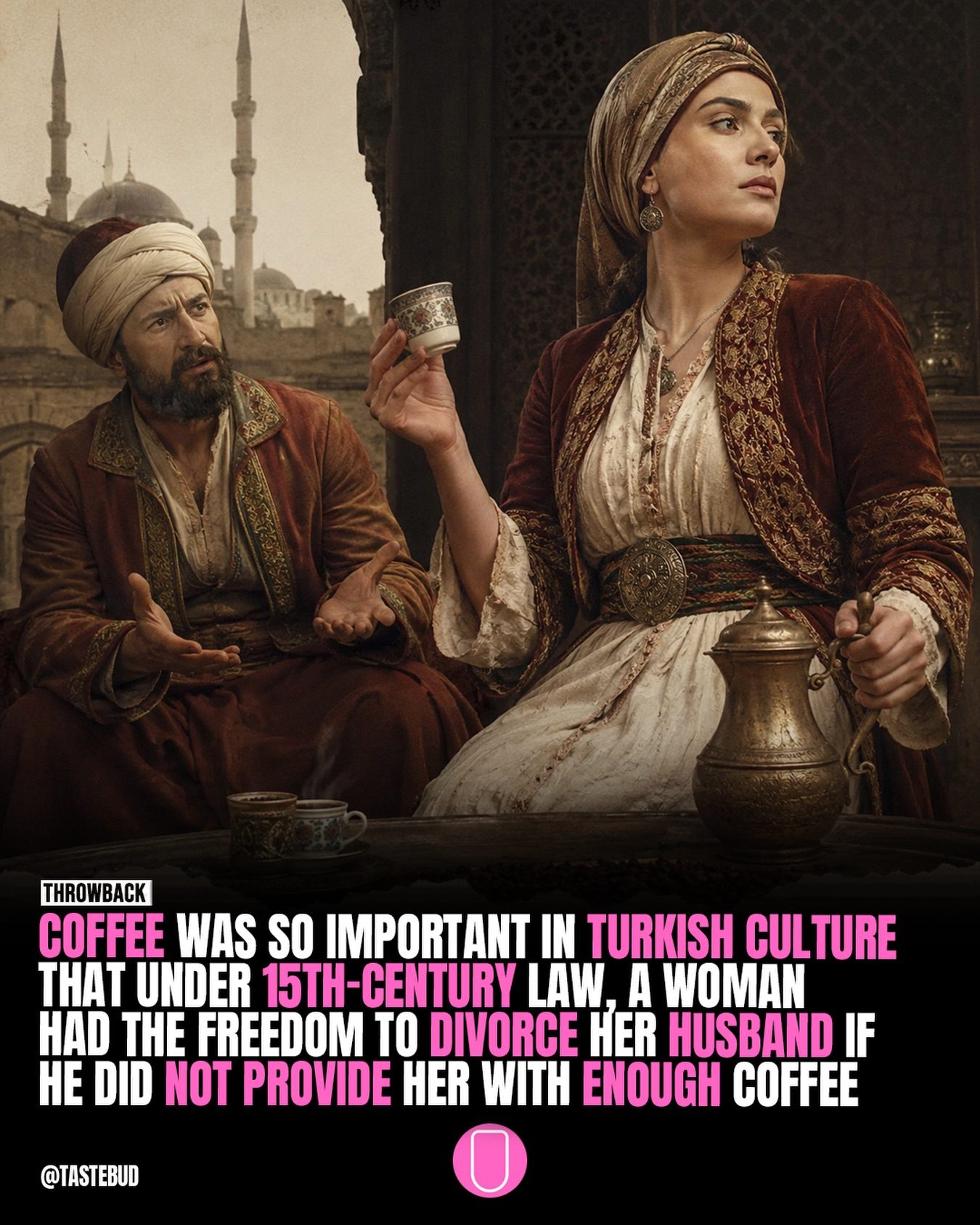
Coffee in the Ottoman Empire
Coffee was an essential part of daily life in the Ottoman Empire, with a rich history deeply intertwined with its culture. Brewed with aromatic spices like cinnamon, cardamom, and cloves, coffee offered a unique flavor that became a staple in Ottoman households. This beverage was more than just a drink; it was a social and cultural phenomenon that influenced daily life and even the legal system of the time.
Coffee's Role in Ottoman Culture
The Ottoman Empire was a vibrant period where coffee houses, known as qahveh khane, quickly became hubs for socializing, conversation, and debate. These establishments were more than just places to enjoy a cup of coffee; they were centers for intellectual discourse, political discussions, and cultural exchanges. Coffee houses served as a bridge between different segments of society, allowing people from all walks of life to gather and share ideas.
The Coffee and Divorce Law
One of the most fascinating aspects of coffee's integration into Ottoman culture is a unique law from the 15th century. According to this law, a woman had the legal right to divorce her husband if he did not provide her with enough coffee. This law highlights the significance of coffee in the daily lives of people and underscores how deeply it was embedded in their culture. It shows that coffee was not just a beverage but a symbol of a husband's care and responsibility within the family unit. The coffee law reflects the broader cultural context where coffee played a crucial role in social and marital relationships.
Brewing and Flavor
Coffee brewing in the Ottoman Empire involved a meticulous process that included a variety of spices to create a rich and aromatic flavor. Spices such as cinnamon, for example, added a warming and sweet element to the brew. Cardamom contributed a citrusy and slightly spicy note, while cloves provided a deep, earthy flavor. This blend of spices not only enhanced the taste but also made the coffee a luxurious and cherished drink.
Coffee Houses
Coffee houses were not merely places to consume coffee; they were spaces for social gatherings, intellectual debates, and community building. These establishments were often visited by poets, scholars, and artists, making them centers of cultural and artistic expression. The Ottoman coffee houses were unique in their design and atmosphere, often featuring intricate architectural details and a welcoming ambiance.
The Role of Coffee in Social Life
Coffee was a beverage that brought people together, fostering a sense of community and shared experience. The Ottoman coffee houses were places where people could escape the pressures of daily life and engage in meaningful conversations. The social aspect of coffee consumption was so integral that it became a part of the legal and cultural fabric of Ottoman society.
Practical Tips
While the Ottoman coffee culture is a fascinating historical aspect, it offers modern-day coffee enthusiasts some valuable insights. If you are looking to recreate the rich flavors of Ottoman coffee:
-
Use High-Quality Spices: Choose the finest cinnamon, cardamom, and cloves. Freshly ground spices will provide the best flavor.
-
Experiment with Brewing Methods: Traditional Ottoman coffee was often brewed in a special pot called a cezve. This method allows for a slow and controlled brewing process, which extracts the full flavor of the coffee and spices.
-
Adjust to Taste: Start with a small amount of spices and adjust according to your preference. Remember, the goal is to enhance the coffee's flavor, not overpower it.
Important Takeaways
Coffee in the Ottoman Empire was more than just a beverage; it was a cultural phenomenon that influenced daily life, social interactions, and even the legal system. The unique law allowing women to seek divorce if their husbands did not provide enough coffee highlights the significance of coffee in Ottoman society. The rich flavors, social gatherings, and cultural exchanges associated with coffee houses made it an integral part of life.
Conclusion
Coffee has a rich and vibrant history in the Ottoman Empire, deeply intertwined with its culture and society. From its unique brewing methods to its role in social life, coffee has left an indelible mark on history. Understanding this historical context can enrich our appreciation for coffee and its cultural significance.
Watch the Reel
Questions readers ask
How did coffee influence divorce laws in the Ottoman Empire?
In the 15th century, Ottoman divorce laws included a unique clause where a wife could seek divorce if her husband prevented her from enjoying her daily coffee. This reflected the importance of coffee in daily life and the social significance it held in Ottoman society.
What were *qahveh khane* and why were they important?
*Qahveh khane* were coffee houses that served as vital social hubs in the Ottoman Empire. They were important because they facilitated intellectual discussions, political debates, and cultural exchanges, making them central to the social fabric of Ottoman society.
What made Ottoman coffee unique in terms of flavor?
Ottoman coffee was unique due to its brewing process with aromatic spices. It was often brewed with cinnamon, cardamom, and cloves, giving it a rich and distinctive flavor that became a staple in Ottoman households and culture.
How did coffee impact daily life in the Ottoman Empire?
Coffee was deeply integrated into daily life, influencing everything from social interactions to legal systems. It was a common beverage enjoyed in homes and coffee houses, fostering a sense of community and shared experience among Ottoman people.
What role did coffee play in the legal system of the Ottoman Empire?
Coffee played a surprising role in Ottoman legal systems, particularly in divorce laws. The importance of coffee in daily life was such that denying a wife her daily coffee could be grounds for divorce, highlighting the beverage's profound social and cultural significance.
How did coffee contribute to cultural exchanges in the Ottoman Empire?
Coffee houses, or *qahveh khane*, served as meeting places for people from diverse backgrounds, facilitating cultural exchanges and intellectual discourse. These spaces allowed for the sharing of ideas and the blending of different cultural perspectives, enriching Ottoman society.
Related deep dives
Similar reads based on topic and creator.




Recent articles
Fresh deep dives from the latest Reels we unpacked.




Comments
Be the first to comment.