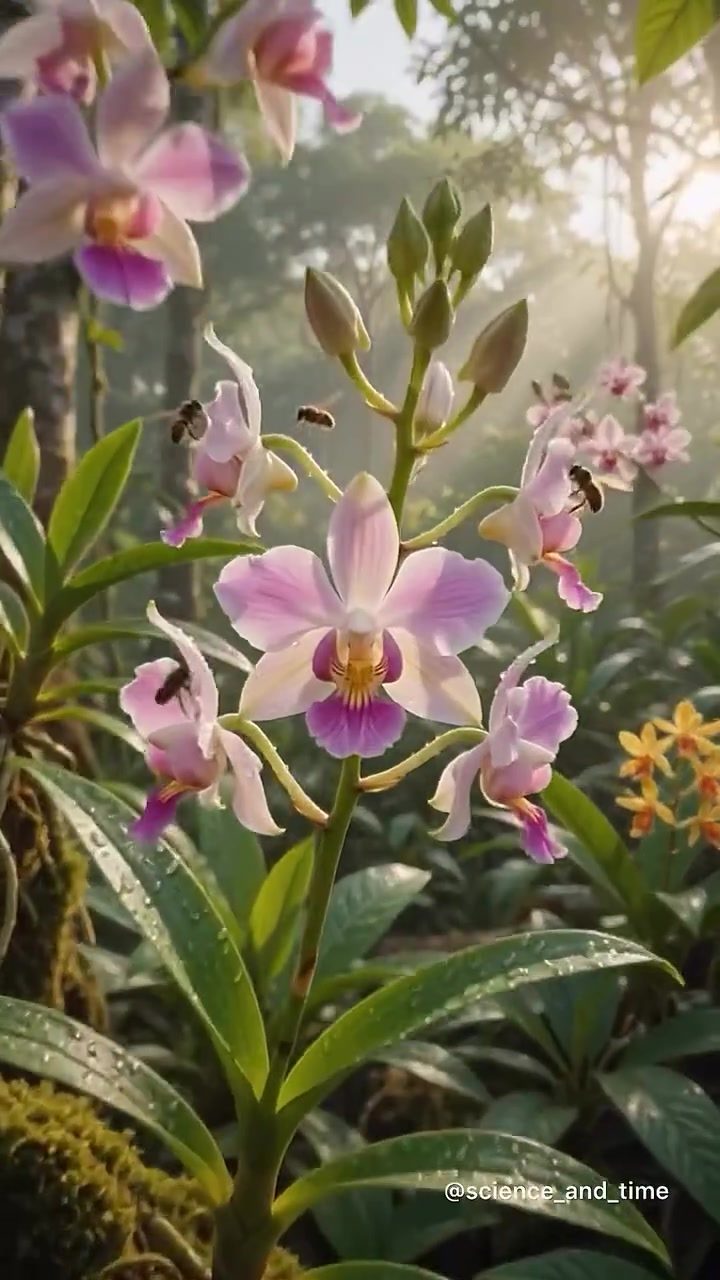
Orchid Mantis: Nature’s Deadliest Flower
The orchid mantis is a fascinating example of nature's camouflage and deception. At first glance it resembles an orchid, a beautiful flower native to tropical and subtropical regions. But this is not a flower; it's a predatory insect known for its cunning and deadly hunting strategy. The orchid mantis uses its petal-like legs and vibrant colors to mimic a flower, attracting unsuspecting prey straight into its trap.
Why This Matters
The orchid mantis is not just a curiosity of nature; it is a testament to the power of natural selection and adaptation. Its unique hunting strategy serves as a reminder of the intricate balance and complexity of ecosystems. Understanding the orchid mantis can provide insights into the broader field of entomology and the behavior of predatory insects.
The Orchid Mantis: Master of Camouflage
The Orchid Mantis's Camouflage
The orchid mantis doesn't just hide among flowers; it transforms into one. This remarkable ability to mimic flowers is achieved through several key adaptations. Its petal-like forelegs, vibrant colors, and delicate movements create a convincing disguise. Bees, butterflies, and other pollinators are easily fooled, mistaking the mantis for a real blossom and flying straight into its trap.
The Strike
When prey approaches, the orchid mantis strikes with lightning-fast reflexes. In less than 1/20 of a second, its spiny forelegs snap shut, leaving the insect almost no chance to escape. This rapid and precise strike is a result of years of evolutionary adaptation, making the orchid mantis one of the most efficient predators in the insect world.
The Orchid Mantis Life Cycle and Behavior
Size and Appearance
One of the most surprising aspects of the orchid mantis is the size difference between males and females. The female can grow nearly twice as long and many times heavier than the male, almost resembling a different species. This size disparity is thought to be an adaptation for reproductive success, as larger females can produce more eggs and provide better care for their offspring.
Attracting Prey
Scientists have discovered that the orchid mantis doesn't just copy the appearance of flowers; it can attract even more pollinators than real flowers nearby. This is achieved through a combination of visual cues and pheromones, making the mantis a highly effective predator.
Evolution and Adaptation
The orchid mantis didn't evolve to become beautiful; natural selection shaped every petal-like leg, color, and movement into one perfect hunting strategy. This is a clear example of how natural selection drives the evolution of species, favoring traits that enhance survival and reproduction.
Practical Tips for Observing the Orchid Mantis
Observing the orchid mantis in its natural habitat can be a rewarding experience. Here are some practical tips for spotting this remarkable creature:
- Location: Look for orchid mantises in tropical and subtropical rainforests, particularly in areas with abundant orchids.
- Timing: Early morning or late afternoon are the best times to spot the orchid mantis, as these are the periods when pollinators are most active.
- Patience: Be patient and observant. The orchid mantis blends seamlessly with its surroundings, so it may take some time to spot one.
- Camera: Use a camera with a good zoom lens to capture close-up shots of the mantis without disturbing it.
Important Takeaways
The orchid mantis is a master of camouflage and deception, using its flower-like appearance to attract and capture prey. Its lightning-fast strike and unique size disparity between males and females make it a fascinating subject of study. Understanding the orchid mantis can provide valuable insights into the behavior and adaptations of predatory insects.
Conclusion
The orchid mantis is a true marvel of nature, showcasing the intricate and sometimes deadly strategies that evolved creatures use to survive. Whether you are a nature enthusiast, a scientist, or simply curious about the natural world, the orchid mantis offers a glimpse into the complex and fascinating world of insect behavior and adaptation.
Watch the Reel
Questions readers ask
How does the Orchid Mantis mimic a flower?
The Orchid Mantis uses its petal-like legs and vibrant colors to resemble a flower. It also mimics the movement of flowers, enhancing its deception to attract prey, which is drawn in by the impression of a beautiful flower.
What kind of prey does the Orchid Mantis attract?
The Orchid Mantis primarily attracts smaller insects, such as pollinators. These insects are drawn to the mantis's flower-like appearance, believing it to be a source of nectar, only to become prey instead.
Where can the Orchid Mantis be found?
The Orchid Mantis is native to tropical and subtropical regions. It is primarily found in Southeast Asia, particularly in countries like Malaysia and Indonesia, where it thrives in warm, humid environments.
How does the Orchid Mantis's hunting strategy work?
The Orchid Mantis remains still and blends in with its surroundings, mimicking a flower. When a potential prey approaches, the mantis quickly strikes, using its powerful, spiny legs to grasp and kill the insect.
Are there other insects that mimic flowers like the Orchid Mantis?
While the Orchid Mantis is one of the most well-known examples, there are other insects that use flower mimicry. These include certain species of beetles and flies that also mimic flowers to attract and prey on pollinators.
What happens to the prey after it is caught by the Orchid Mantis?
After capturing its prey, the Orchid Mantis uses its strong mandibles to inject digestive enzymes into the prey, liquefying its insides. It then sucks out the liquid, leaving behind an empty exoskeleton.
Related deep dives
Similar reads based on topic and creator.




Recent articles
Fresh deep dives from the latest Reels we unpacked.




Comments
Be the first to comment.