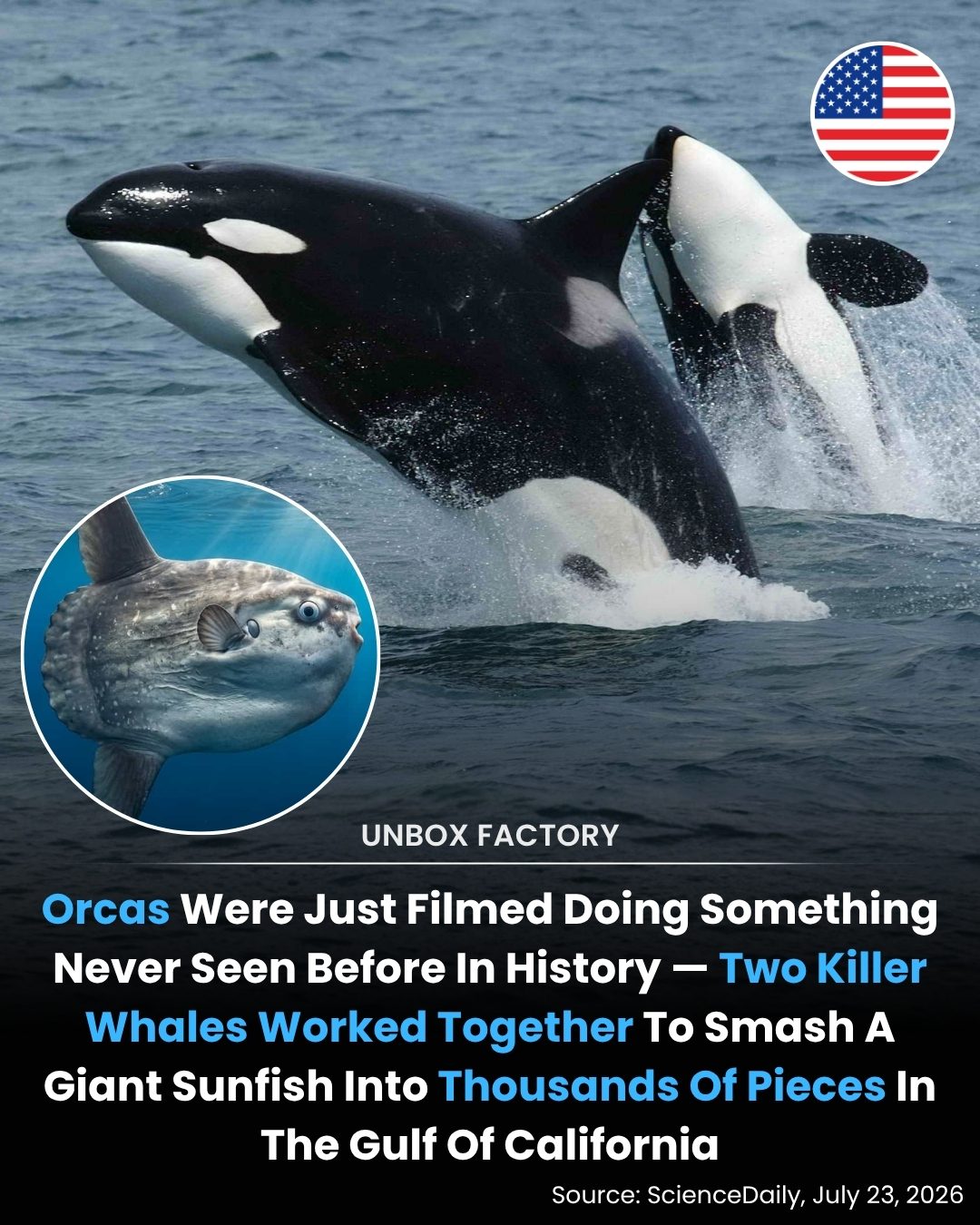
Orca Hunting Behavior: Collaborative Hunting in the Gulf of California
Orcas, also known as killer whales, have long been recognized for their extraordinary hunting skills and social structures. Recently, marine scientists witnessed a previously unrecorded behavior: two orcas collaborating to hunt and dismantle a massive ocean sunfish (Mola mola) in the Gulf of California. This event, documented by ScienceDaily, provides a rare glimpse into the complex and adaptive behaviors of these apex predators.
Context: Why This Matters
Orcas are renowned for their sophisticated hunting strategies, which often involve teamwork, communication, and learned behaviors passed down through generations. This latest observation underscores their remarkable intelligence and adaptability, offering new insights into their ecological role and behavioral dynamics. Understanding such behaviors is crucial for conservation efforts and for appreciating the intricate web of marine life.
Main Discussion
The Hunt: A Cooperative Effort
The event in question involved two orcas working in tandem to take down a giant sunfish. These sunfish are the world's heaviest bony fish, capable of weighing over 2,300 kilograms (5,000 pounds). The orcas repeatedly struck the sunfish until it broke apart, allowing them to feed more efficiently. This cooperative hunting strategy showcases the orcas' ability to adapt their tactics based on the size and nature of their prey.
Teamwork and Communication
Orcas are known for their advanced social structures and cooperative behaviors. The sunfish incident highlights how they use teamwork and communication to overcome challenges. By working together, the orcas could target and dismantle a prey much larger than either could handle alone. This level of coordination suggests a deep understanding of their environment and the capabilities of their pod members.
Adaptability and Intelligence
The ability to adapt hunting strategies to different prey types is a testament to the orcas' intelligence. Sunfish are not a typical part of their diet, making this event even more remarkable. The orcas' success in hunting such an unusual prey demonstrates their versatility and problem-solving skills, traits that have long fascinated researchers and wildlife enthusiasts alike.
The Gulf of California: A Hotspot for Marine Life
The Gulf of California, also known as the Sea of Cortez, is a biodiverse marine ecosystem that supports a wide array of marine life, including various species of whales, dolphins, and fish. This region's rich biodiversity makes it an ideal study area for marine biology and offers an ideal habitat for such complex predation behaviors.
Practical Tips for Observing Marine Life
While observing such behaviors in the wild is rare and often serendipitous, there are ways to increase your chances of witnessing fascinating marine interactions:
Choose the Right Location
The Gulf of California is renowned for its marine biodiversity and is an excellent place to observe various marine species. Other hotspots include the Galapagos Islands and the waters off the coast of British Columbia.
Use the Right Equipment
High-quality binoculars or a spotting scope can help you observe marine life from a safe distance without disturbing their natural behaviors. For underwater observations, consider scuba diving or snorkeling equipment.
Be Patient and Respectful
Wildlife observation requires patience and respect for the animals. Avoid making loud noises or sudden movements that could scare the creatures away. Always maintain a safe distance to ensure the animals' wellbeing.
Join a Guided Tour
Guided tours led by experienced marine biologists or naturalists can provide valuable insights and increase your chances of witnessing extraordinary events. These experts know the best times and places to spot marine life and can share their knowledge to enhance your experience.
Important Takeaways
The observation of orcas collaborating to hunt a giant sunfish in the Gulf of California offers several key takeaways:
- Orcas' Hunting Strategies: Orcas are incredibly adaptable and use sophisticated hunting strategies, often involving teamwork and communication.
- Ecosystem Adaptability: The ability to hunt and consume a sunfish demonstrates the orcas' adaptability and versatility in their feeding habits.
- Conservation Considerations: Understanding such behaviors is crucial for conservation efforts, helping to protect these intelligent and adaptable predators and their ecosystems.
Conclusion
The recent documentation of orcas collaborating to hunt a giant sunfish in the Gulf of California provides a fascinating glimpse into the complex and adaptive behaviors of these apex predators. This event not only highlights the orcas' remarkable intelligence and teamwork but also underscores the importance of understanding and conserving marine ecosystems. Whether you're a marine biology enthusiast or a curious observer, these insights offer a deeper appreciation for the intricate world of marine life.
Watch the Reel
Questions readers ask
What makes the orca hunt in the Gulf of California significant?
The recent orca hunt in the Gulf of California is significant because it involved a previously unrecorded collaborative strategy between two orcas. They worked together to take down a massive ocean sunfish. This highlights their adaptability and the complexity of their hunting strategies.
How do orcas demonstrate their intelligence during hunts?
Orcas demonstrate their intelligence through sophisticated hunting strategies, teamwork, and communication. They often use tactics tailored to specific prey and can adapt their methods based on the situation, further showing their remarkable problem-solving abilities.
Why is understanding orca social structures important for their conservation?
Understanding orca social structures is crucial for conservation efforts as it helps in knowing how orcas interact, communicate, and survive. This information can guide policies that protect their habitats and ensure the well-being of their populations.
What is the significance of orcas hunting in teams?
Orcas hunting in teams showcases their social cohesion and the ability to pass down learned behaviors. This teamwork allows them to tackle larger prey and increases their hunting success, demonstrating the importance of their tightly-knit social bonds.
What can the public learn from observing orca hunting behaviors?
Observing orca hunting behaviors provides the public with a deeper understanding of the intricate social structures and the high level of coordination among these animals. It also highlights the importance of preserving their natural environments to maintain these behaviors and the welfare of the species.
Recent articles
Fresh deep dives from the latest Reels we unpacked.




Comments
Be the first to comment.